In brief
A glacial collapse on the Nepal‑Tibet border sparked a flash flood that has led to at least 469 deaths and more than 900 missing residents and tourists. The disaster highlighted the increasing vulnerability of Himalayan communities to climate‑driven glacier melt and rapid landslip events. Scientists confirm the 5.2‑magnituded shock was caused by the collapse, not an earthquake. Governments, NGOs and the UN have pledged aid, while fears of a secondary flood continue to loom.
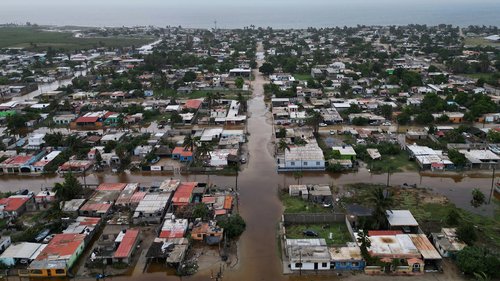
A sudden collapse of the Langtang Lirung glacier sent rock and ice across the Lende Khola valley, amplifying a flash flood that swept up villages, roads and a border checkpoint across the Nepal‑Tibet frontier. The cascade of debris set off a 5.2‑magnituded shock, a seismic read‑out of the force that devastated the region.
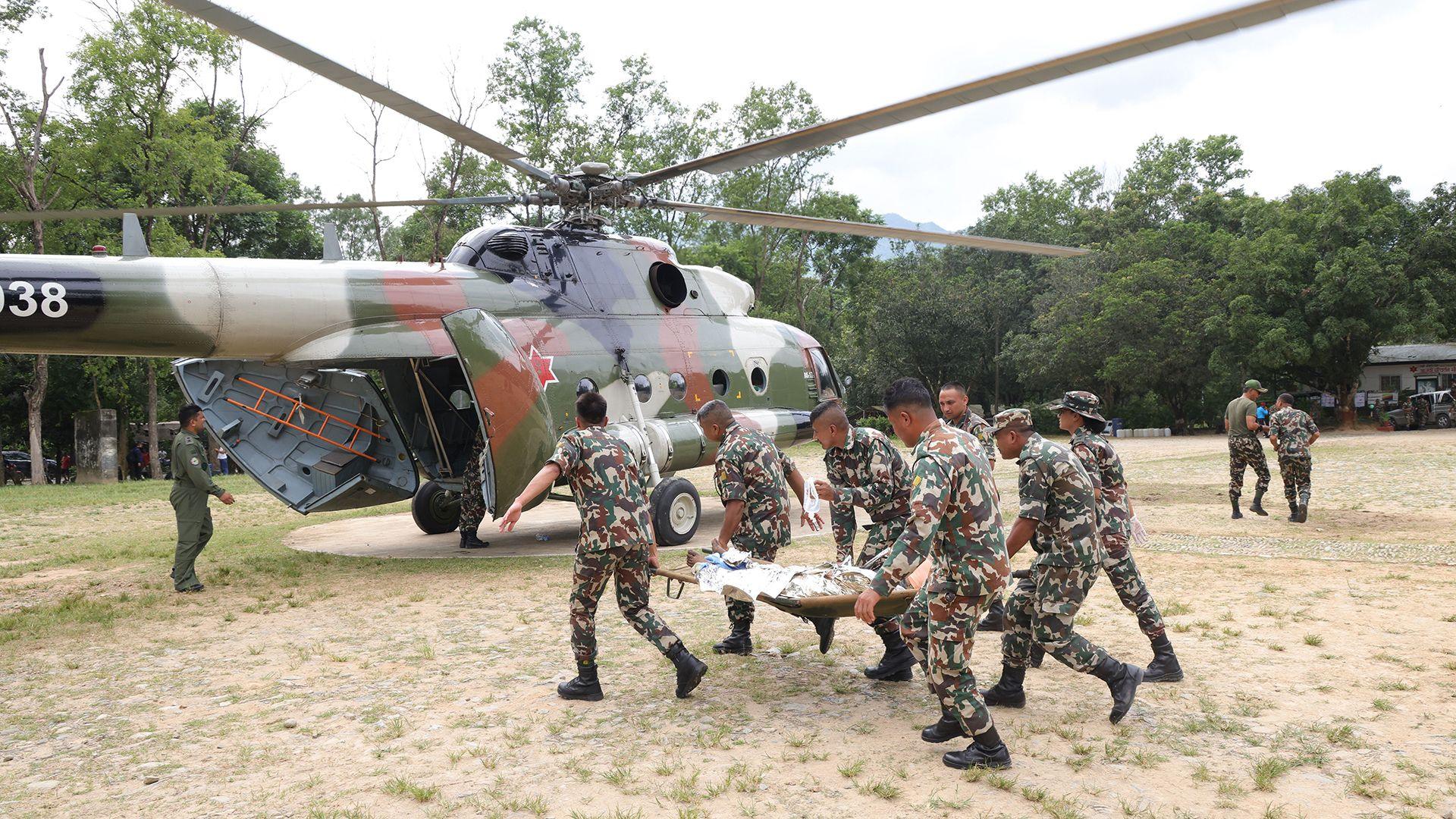
The Nepalese Army and Chinese Emergency Rescue Teams are operating in tandem, reaching villages that lost homes in the torrent. Meanwhile, the International Centre for Integrated Mountain Development warns that secondary floods could erupt if the Trishuli River damming builds up further.
Casualty Figures and Missing Individuals
Local police report 469 fatalities, with 910 residents still listed as missing—over half of those missing are foreigners. The tourism board lists 644 missing tourists, including 33 UK nationals, 65 US tourists, and 53 from Ukraine.
Where Do the Missing Tourists Come From?
- India – 288 nationals
- China – nearly 100
- US – 65
- Ukraine – 53
- Malaysia – 51
- Australia – 39
- UK – 33
- Canada – 24
International Response and Aid
Prime Minister Balendra Shah pledged national coordination with China and “shocked and distressed” nationwide. President Xi Jinping ordered an all‑out search and announced earlier‑warning upgrades. The United Nations and partners are mobilising emergency supplies. The United States pledged $500,000 for shelter, water and sanitation, and the UK offered £5 million to support Nepali authorities and assist nationals.
Rescue teams remain on alert for a potential second flood, noting the water lake behind the collapsed glacier is high‑risk for bursting.
Scientists link the tragedy to climate change‑driven glacier thinning, but a definite causal chain remains under investigation. Longer‑term solutions involve strengthening early‑warning systems in the Hindu Kush Himalaya, improving mountain‑region resilience and reducing greenhouse‑gas emissions to slow glacier retreat.