In brief
French nuclear power station Gravelines suffered a partial shutdown after an unexpected jellyfish bloom clogged its cooling system. The event shows how climate‑driven shifts in marine ecosystems can directly threaten critical energy infrastructure. Experts point to rising sea temperatures and increased plankton growth as drivers of jellyfish proliferation. EDF has begun working with fisheries to redirect jellyfish offshore while exploring deeper filtration solutions. The incident stresses the need for climate‑resilient designs across the nuclear sector.
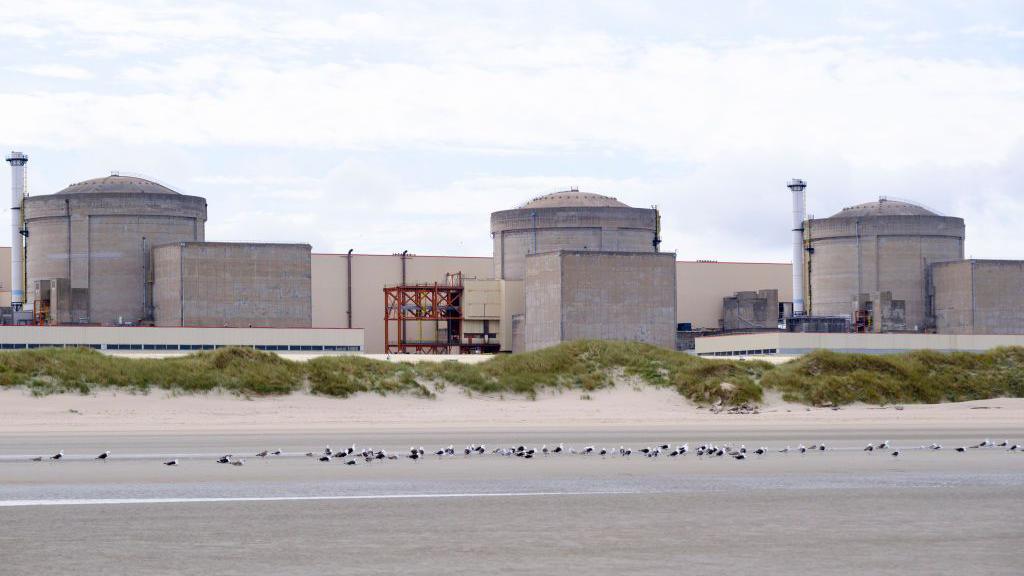
The Gravelines nuclear power plant in northern France, one of the country’s largest, was forced to shut down two of its six reactors on the weekend after jellyfish were detected in the seawater filtration system. The influx, driven by a warm‑weather bloom, clogged the cooling canal that circulates water from the North Sea into the plant’s heat exchangers.
According to EDF, units three, four and six are currently offline, while units one and two are operating at reduced capacity for precautionary reasons. The shutdown, which has limited the plant’s output to a fraction of its potential 5.4 GW, highlights a growing risk profile for energy infrastructure tied to marine environments.
Scientists explain that jellyfish blooms are more common in warmer months when ocean temperatures rise and surface plankton concentrations spike. Warmer seas create a breeding ground for jellyfish larvae, causing them to rise to the surface where they can be drawn into offshore installations.
To mitigate the problem, EDF has partnered with local fishermen to capture and release jellyfish further offshore, a strategy that provides a temporary traffic‑control solution while longer‑term engineering fixes are developed. Similar incidents occurred at Scotland’s Torness plant in 2011 and Sweden’s Oskarshamn in 2013, though such events remain rare.
The Gravelines shutdown underscores the broader climate link: as sea temperatures climb, marine life patterns shift, presenting new operational hazards for coastal energy supply. Eco‑activists and climate scientists are calling for rapid adaptation, including modular filtration barriers, remote monitoring systems, and coordinated fisheries management to safeguard both ecosystems and essential power generation.
For more details on the incident, see the full story at BBC News or consult EDF’s public statements on their website. The event serves as a reminder that the intersection of climate change and industrial infrastructure demands swift, science‑based adaptation to maintain energy reliability for millions of people.