In brief
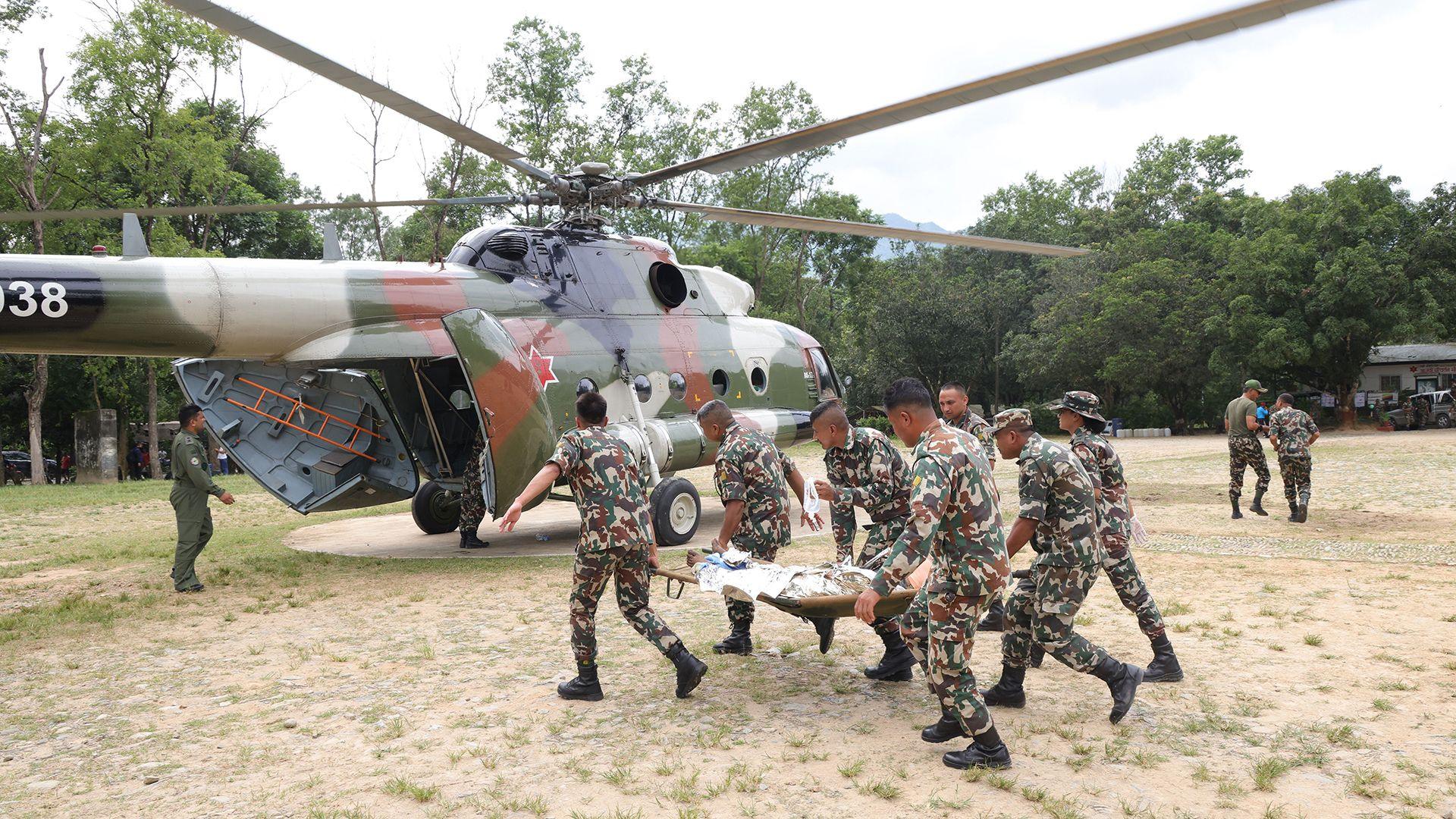
Massive flash floods fissed the Nepal‑Tibet border, scouring villages, killing at least 270 people and sparking international aid. What first came as an earthquake report was later proven a glacial collapse that fed debris flows downstream. Climate‑driven permafrost thaw in the Himalayas and heavy rainfall intensified the slide. Nations from China to the UK have pledged search, medical and humanitarian support, while Nepal coordinates disaster response with Tibet and neighbours. Scientists now focus on mapping the melt, predicting secondary floods, and reinforcing early‑warning systems.
What caused the deadly landslide?
Initial reports suggested an earthquake, but the United States Geological Survey later confirmed the event was a glacial collapse and debris flow. Rising temperatures have accelerated permafrost thaw in the Hindu Kush Himalaya, loosening mountain slopes. When a large ice mass melted or broke loose, it pulled down rocks and sediment, sending a massive storm stream of earth and water downstream.
How many people are dead and missing?
At least 270 people have been killed, including 64 in Chitwan and 26 in Nawalparasi East. Authorities report 826 people are still missing, with more than 529 tourists and 466 foreigners among them. China’s CCTV also cites 558 missing in Gyirong county, acknowledging 260 foreign nationals remain unaccounted for.
Where are the missing tourists from?
Missing nationals include 178 Indians, 53 Ukrainians, 51 Malaysians, 33 UKers, 24 Canadians, 65 US citizens, and 34 Australians, with smaller numbers from South Korea, South Africa, Portugal, Netherlands and New Zealand.
How are governments responding?
Prime Ministers Nepal and China are coordinating rescue and monitoring. India offers humanitarian assistance, UN Secretary‑General Guterres mobilises relief teams, the US pledges $500,000 for shelters and sanitation, while the UK is focused on its nationals. Nepal’s plans include establishing secondary‑flood risk assessments to protect downstream communities.
Scientific investigation and future risk
Scientists will analyse satellite imagery to track glacial lake drainage and river blockage. They aim to forecast secondary landslides and develop early‑warning systems responsive to climate‑driven melt patterns. The Himalayan permafrost layer’s decline is a key variable in future disaster prevention.