In brief
The NOAA's announcement of upcoming changes to the vessel speed regulations, aimed at reducing industry burdens, has met with backlash from environmental groups. Advocates argue that relaxing these rules threatens the already critically endangered North Atlantic right whale population after a recent whale death has highlighted ongoing challenges in conservation efforts.
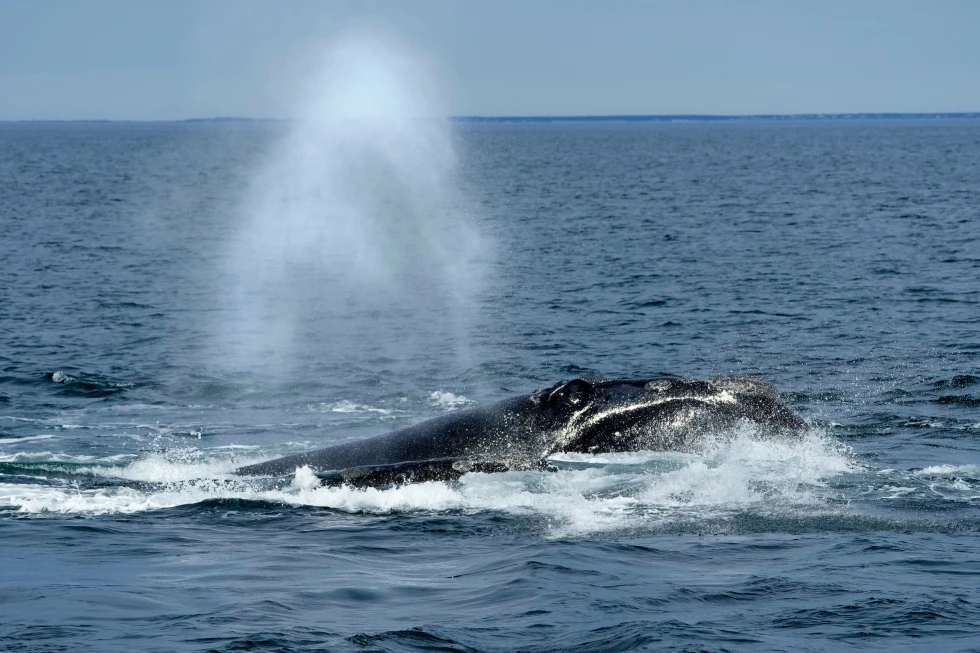
PORTLAND, Maine (AP) — The U.S. government's decision to revise longstanding protections for the endangered North Atlantic right whale has sparked a wave of criticism from environmental activists. This decision comes on the heels of the tragic death of a young whale, which advocates cite as a stark reminder of the ongoing threats facing this species.
Currently, there are fewer than 400 North Atlantic right whales, and they are safeguarded by regulations mandating that large vessels reduce speeds in their habitats to minimize fatal collisions. However, the National Oceanic and Atmospheric Administration (NOAA) has indicated plans to introduce measures intended to 'modernize' these protections. The agency's statement implies a shift toward a more industry-friendly regulatory framework that aims to alleviate what it terms 'unnecessary regulatory and economic burdens' while still addressing conservation needs.
Environmentalists are concerned that any weakening of these vessel speed limits could jeopardize efforts to conserve the already dwindling population of right whales. The potential for increased vessel traffic during migration seasons poses a significant threat, as these whales navigate their way from calving areas off Florida to feeding grounds in New England and Canada, exposing them to the dangers of ship strikes and entanglements in fishing gear.
Jane Davenport, a senior attorney at the conservation group Defenders of Wildlife, expressed alarm over the potential rollback of protections, emphasizing that we need to intensify efforts to safeguard these whales rather than diminish them.
Historically, right whales were abundant in East Coast waters but faced catastrophic population declines due to commercial whaling. Even with federal protections in place, their numbers have not rebounded, and their vulnerability to shipping activities remains high.
While the Biden administration had initially sought to expand slow zones and broaden the types of vessels required to adhere to these speed regulations, these proposals were withdrawn during the transition period, raising concerns from conservation advocates about the future of the species.
Shipping and marine industries, however, have long argued against vessel speed restrictions, labeling them as outdated and advocating for a transition toward technological solutions to address the challenges faced by marine wildlife.