In brief
In an exciting astronomical event, a significant disturbance in the Earth's magnetic field is set to produce visible auroras across Canada and a large portion of northern U.S. states. The storm, heralded by the National Oceanic and Atmospheric Administration, also raises concerns about potential impacts on technology, though astronauts remain safe at the International Space Station. This storm marks the most intense activity seen in over two decades.
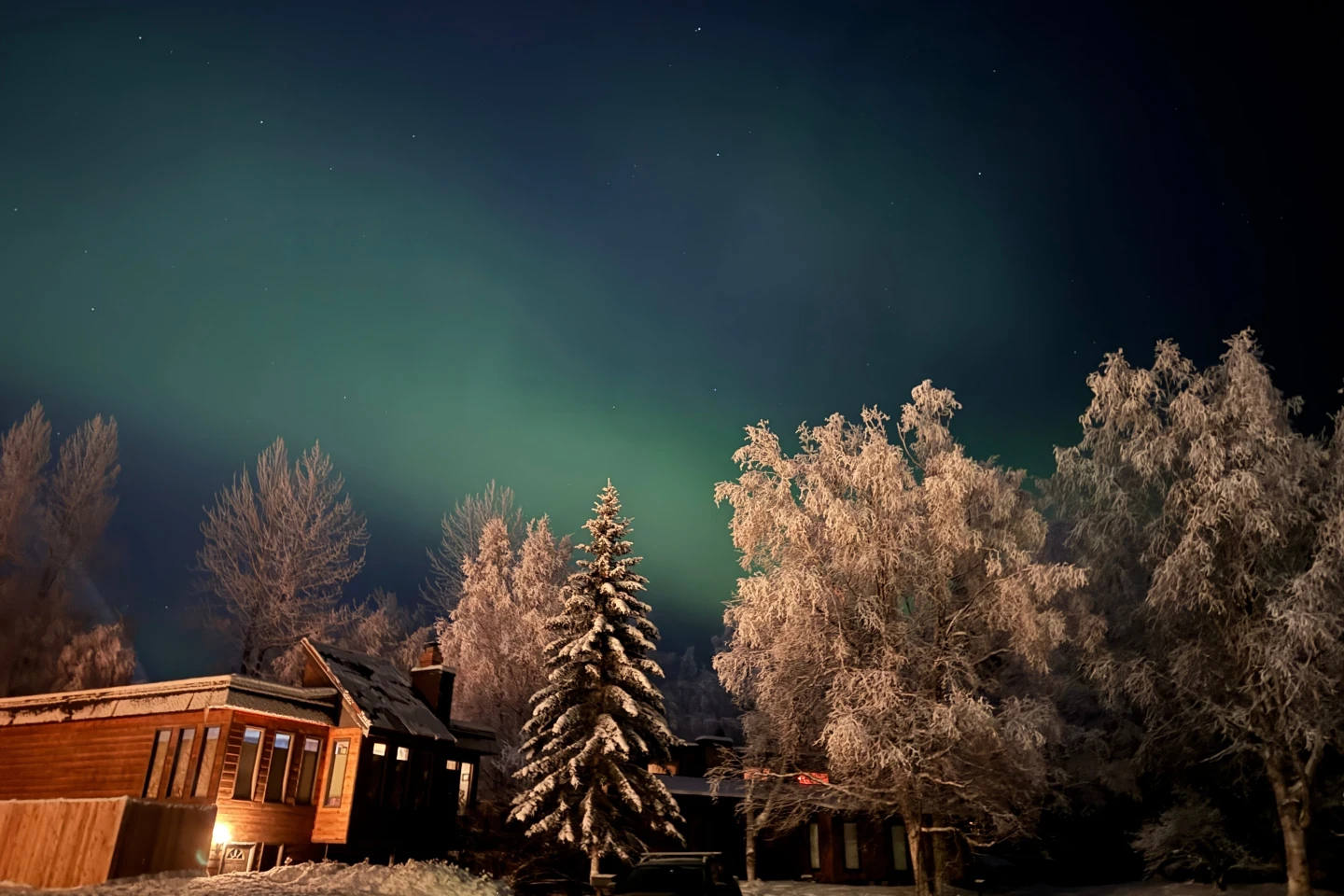
JUNEAU, Alaska (AP) — Prepare for a spectacular display as the aurora borealis is forecasted to light up the skies across Canada and much of the northern U.S. on Monday night. This celestial phenomenon follows a significant disturbance in the Earth's magnetic field caused by intense geomagnetic and solar radiation storms reported by the National Oceanic and Atmospheric Administration’s Space Weather Prediction Center. Shawn Dahl, a service coordinator at the center, highlighted that the current geomagnetic storm could lead to vibrant displays of northern lights but may also disrupt satellite operations, GPS communications, and other critical infrastructure. As the storm is expected to last until Tuesday, those in northern regions should keep an eye on the sky for this rare opportunity. Similar solar storms in November resulted in stunning auroras across Europe and even reached as far south as Kansas and Texas. While solar radiation storms can impact space objects and communication systems, experts note that they pose no risk to astronauts aboard the International Space Station. This event marks a peak in solar activity that has not been witnessed in over 20 years, promising breathtaking visuals for sky watchers.