In brief
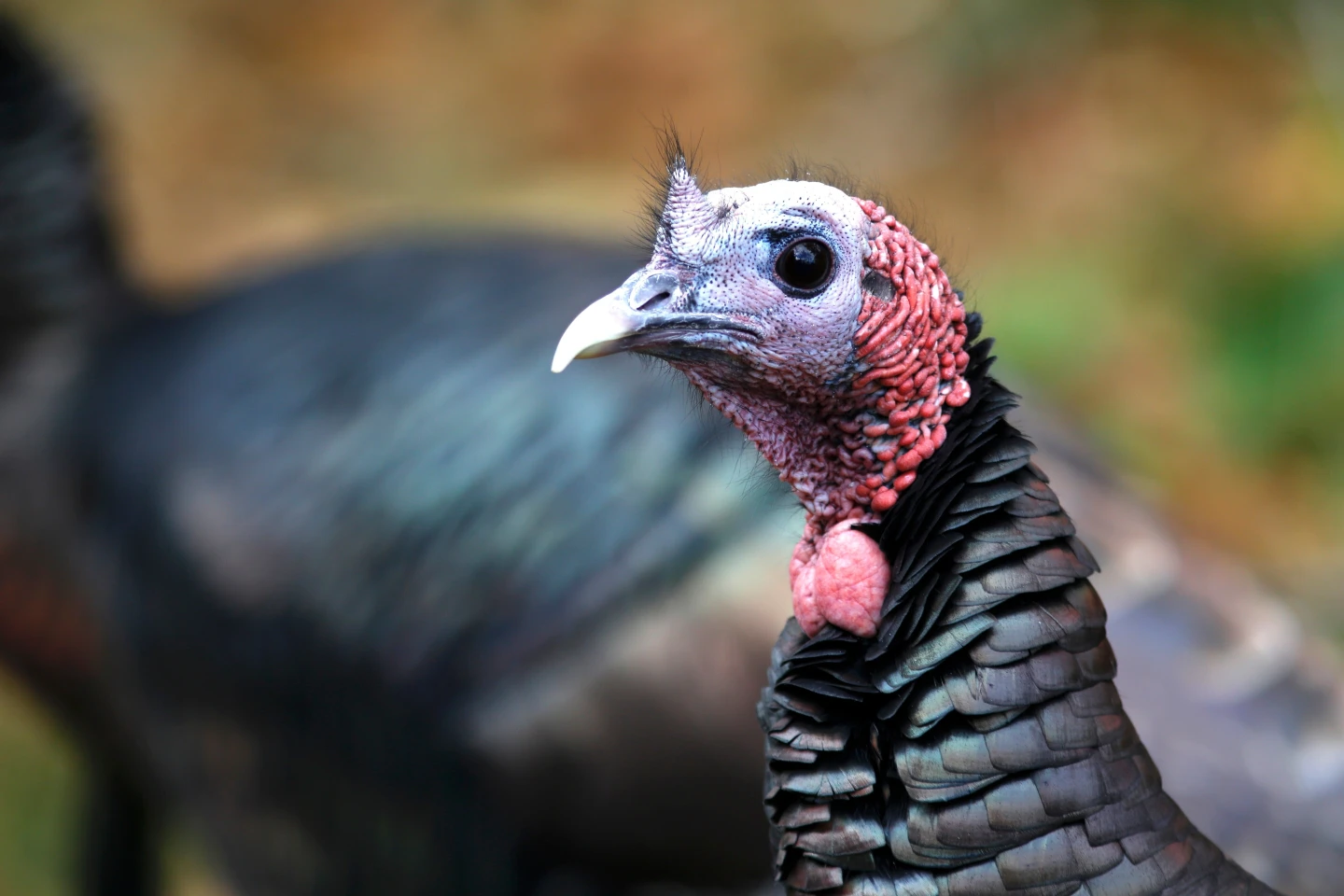
From dwindling numbers in the late 19th century to a booming population of approximately 7 million today, wild turkeys' resurgence in North America is a remarkable conservation story. This effort has often hinged on inter-agency trading, where states exchanged wildlife to restore ecosystems. The innovative practices of wildlife biologists across the U.S. showcase the importance of species in maintaining ecological balance and the power of collaborative conservation strategies.
The story of wild turkeys in North America is one of remarkable recovery and creative solutions to conservation challenges.
Once on the brink of extinction with a population dwindling to a mere few thousand birds in the late 1800s, wild turkeys have made a remarkable comeback, now numbering around 7 million across the U.S., as reported by the National Wild Turkey Federation.
A key factor in the restoration of turkey populations has involved swapping wildlife rather than simply introducing farm-raised birds. Over the years, states like Oklahoma exchanged fish species for wild turkeys from Arkansas and Missouri, while West Virginia traded 26 turkeys to New Hampshire for fishers—an example of the innovative approaches wildlife biologists are taking.
According to Holly Morris, a project leader from West Virginia, these exchanges served as a crucial 'currency' among conservation agencies, emphasizing a unified mission to preserve natural wildlife.
The initial restoration efforts in the mid-20th century faced challenges, particularly with turkeys raised in captivity failing to thrive in the wild. However, as strategies evolved, capturing and redistributing wild turkeys became a successful method of repopulation. One such successful case was in New Hampshire, which had not seen a wild turkey for over a century until birds from West Virginia were introduced in the late 1970s. Subsequent management efforts have led the population to rebound to around 40,000.
Turbulent winter conditions and changing land use present ongoing challenges, yet wild turkeys have adapted remarkably well, highlighting their critical role as both predators and prey in the ecosystem.
As wildlife populations thrive, biologists assert that these restoration projects not only benefit turkeys but also aid the resurgence of various other species, showcasing the interconnectedness of conservation efforts in ensuring ecological health.
“A lot of good work gets done on the back of the wild turkey,” noted Patt Dorsey of the National Wild Turkey Federation, emphasizing the broader impact of successful species management.