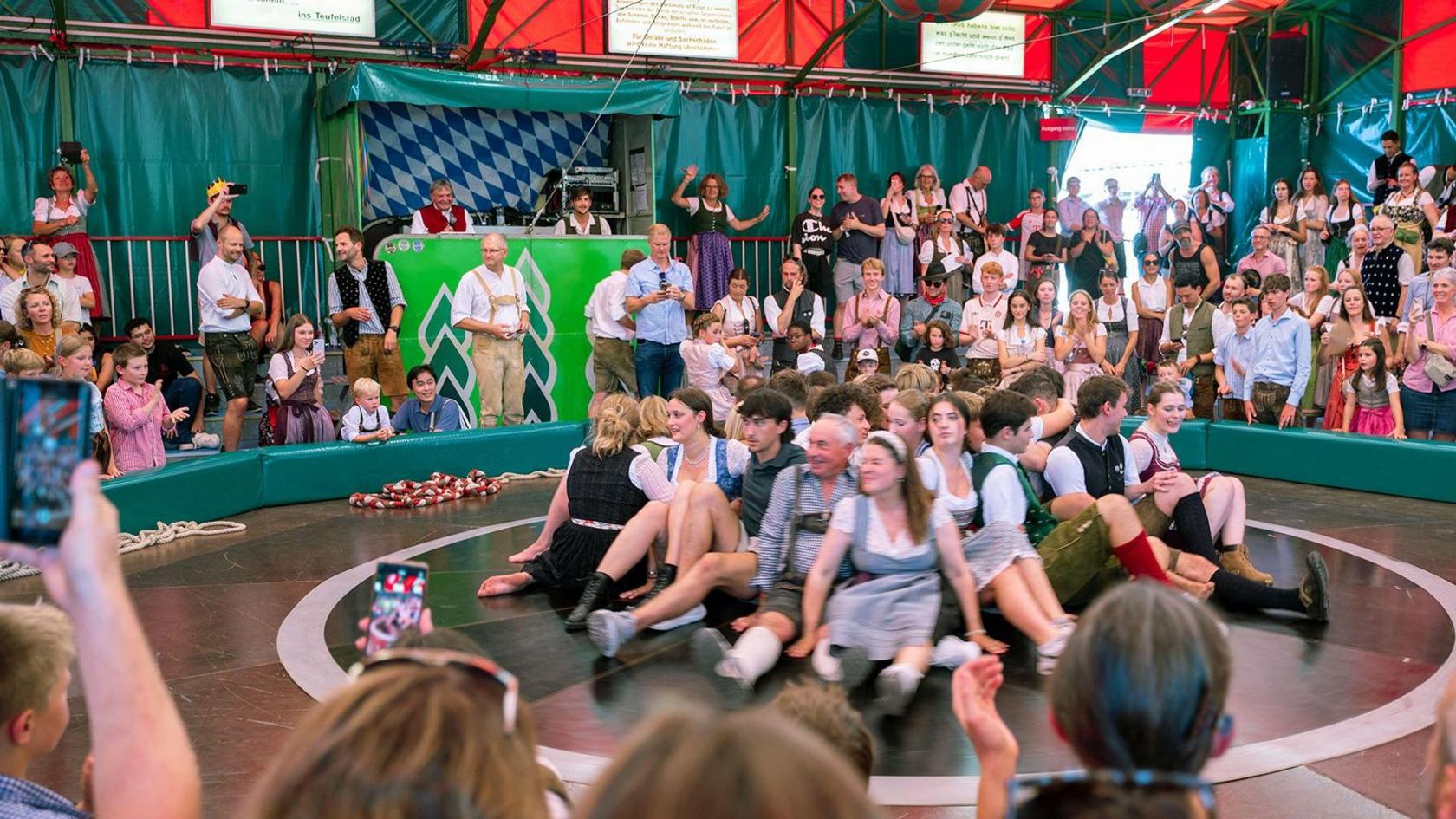

The infamous Teufelsrad, or Devil’s Wheel, is a staple of Munich’s annual beer festival. Its rotating platform is so fast that riders’ skirts often lift, making it a perfect backdrop for voyeuristic videos.
In recent months, many of these recordings have gone viral, with some clips generating thousands of euros for the creators. The practice of filming under skirts—upskirting—remains a criminal offence in Germany, punishable by up to two years in prison.
Despite the law, critics argue the penalty is insufficient, and the footage often involves digitally altered images that strip women of any modesty. In response, 80‑year‑old rollerhead Elisabeth Polaczy handed out more than 100 pairs of free cycling shorts this year alone, aiming to give women an invisible barrier against opportunistic photographers.
The shorts, simple yet effective, are worn under the traditional dirndl. “I want to make everyone feel safe,” Polaczy told reporters, citing the high cost and the need for a reliable, low‑visibility shield.
Police in Bavaria have launched a poster campaign warning against upskirting, and have arrested a Swiss man this year for filming a German woman from beneath her dirndl. Last year there were ten arrests, while 2024 saw seven.
Activists, like Hate Aid’s Josephine Ballon, say the current legislation gaps cover only explicit filming and not accidental captures when skirts lift. She urges platforms to penalise users who upload intimate content and calls for stronger protective laws.
Munich has also tightened controls on influencers. Live streaming from the festival is now banned, and a permit must be obtained—often for a fee—before filming or product‑placement content can be captured on site. Hundreds of licenses have already been issued this year.
While cycling shorts may seem a quirky cultural footnote, they exemplify a broader push for privacy‑first solutions in public life, balancing the joy of shared festivals with the need to safeguard individuals from digital exploitation.