Banning Holocaust Stones: A Hit to Community Memory and Climate Resilience
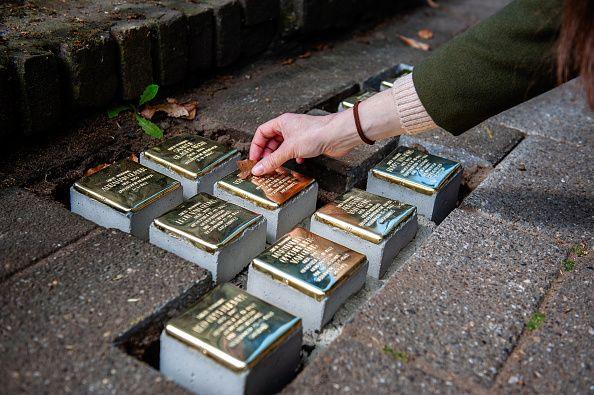
Heidenau, a small Saxon town near Dresden, recently voted to ban the Stolpersteine—tiny brass plaques that lie flush in the pavement to mark where Jews and other victims lived. The decision has sparked condemnation from historians, Jewish community leaders and a national education minister who called the move a scandal.
Stolpersteine, installed throughout Europe since the 1990s, encourage people to stumble physically and intellectually on memories of the Holocaust. They serve as everyday reminders of past atrocities, integrating history into daily life and fostering a culture of remembrance. By erasing these stones, Heidenau’s council says it is protecting citizens who find them “unpleasant”, but it is also withdrawing a public touchstone of moral reflection.
The move is linked to a surge in nationalist sentiment, with representatives of the far‑right Alternative für Deutschland (AfD) and the conservative CDU driving the vote. AfD’s rising electoral presence across Saxony, Slav, and neighbouring states has raised concerns about the politicisation of historical memory. Experts warn that such political divisions weaken the social fabric that underpins cooperative efforts to tackle climate change.
Scholars and activists note that inclusive remembrance helps build trust and shared identity—qualities essential for mobilising communities around climate solutions. In times of rising environmental threats, a cohesive public sphere that can confront uncomfortable truths is vital for encouraging collective action, from reducing carbon footprints to supporting renewable energy projects.
The controversy also highlights the importance of civic spaces as arenas for dialogue. Politicians argue that memorials should remain off the streets, but critics stress that visibility in everyday settings keeps the lessons of the past alive and ensures that the narratives of the lost are woven into the city’s pulse.
As Germany grapples with its difficult past, the Heidenau case serves as a reminder that protecting memory is not only a moral imperative; it is a practical investment in social resilience, which in turn strengthens our collective capacity to face the challenges of climate change.