In brief
Germany has arrested a 48‑year‑old man suspected of orchestrating a series of sabotage attacks on the nation’s electricity grid. The individual was seized near the Weisweiler power plant, found carrying explosives and a tent that was rigged with additional devices. He reportedly sent handwritten letters claiming responsibility for attacks that struck high‑voltage lines in Brandenburg, Saxony and North Rhine‑Westphalia, using rockets to bring down cables and trigger short‑circuits. Police are currently examining the devices and searching the suspect’s apartment for more explosives. The incident highlights the vulnerability of critical energy infrastructure and the need for strengthened grid security measures amid evolving threats.
German police arrested a 48‑year‑old man after he tried to flee the country, linking him to a wave of sabotage attacks on the nation’s electricity grid.
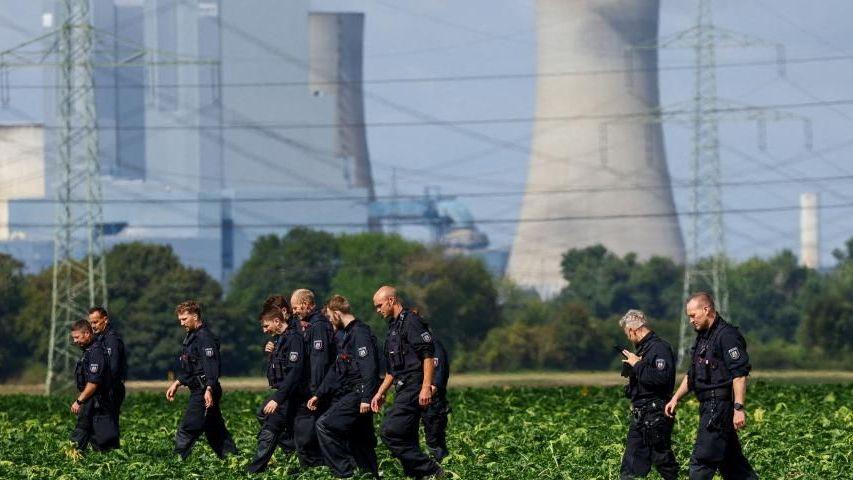
The suspect was apprehended near the Weisweiler power plant, found carrying explosives and a tent that was later discovered rigged with additional devices. According to authorities, he wrote letters claiming responsibility for the attacks, which targeted high‑voltage lines in Brandenburg, Saxony and North Rhine‑Westphalia.
The attacks used rockets to hit power cables, creating short‑circuits and temporarily taking power‑generating units offline. Police are examining the intercepted explosives and searching the suspect’s apartment for more devices.
Interior Minister Armin Schuster warned the incident could have led to a regional blackout, noting the unusual method of attack and the nature of the confession. He urged caution in drawing conclusions about the scale of the threat.
This case underscores the growing need to protect critical infrastructure against sabotage, especially as countries work to secure their grids in the face of climate‑change driven energy demands and shifting security landscapes.