
Colombia’s new president eases gun carry rules, sparking debate on safety and crime
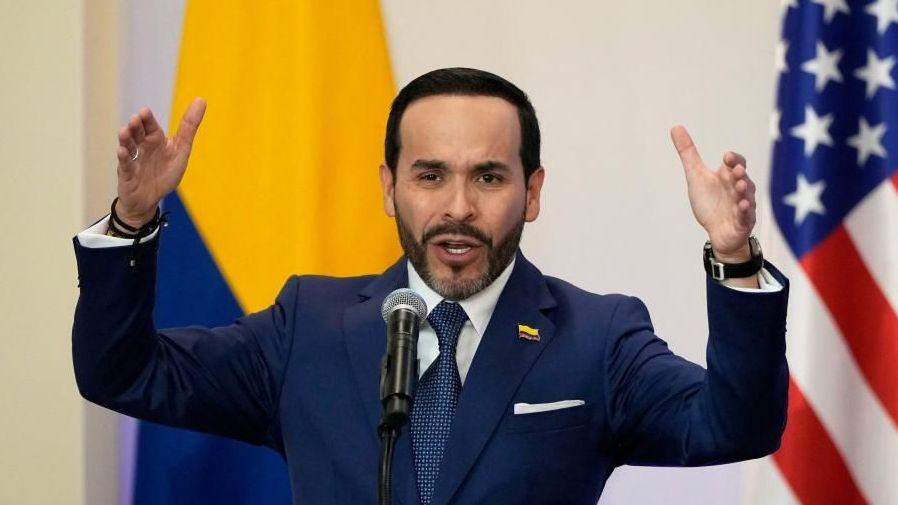
In a move aimed at expanding personal security, President Abelardo de la Espriella signed a decree that relaxes the decade‑old ban on carrying legal firearms in public. He said that it is “not right that criminals are armed to the teeth while decent people can’t defend themselves.”
The suspension, first introduced in December 2015 to curb holiday violence, was repeatedly extended by successive presidents – conservative Iván Duque and left‑wing Gustavo Petro – and had been in force for almost ten years. Under the old rule, even permit holders could not take their guns out of home without an additional clearance.
The new decree will affect roughly 700,000 people who already hold a permit. They can now take their registered gun out of their home, provided their permits remain up to date.
Senator Ariel Ávila of the Green Alliance Party called the move a “grave error,” warning that legally carried weapons might end up in the hands of criminals. He argued that only state forces should bear arms to guarantee public safety.
De la Espriella countered by emphasizing that law‑enforcement agencies remain vigilant against illegal firearms. To date this year, police have seized more than 15,000 weapons, many linked to dissident factions of the former FARC rebel group and the Gulf Clan gang. He stresses that the decree does not broaden ownership but simply removes the unnecessary carry restriction.
The policy shift comes amid concerns about security in rural districts that protect fragile ecosystems. By easing carry restrictions for lawful owners, authorities aim to deter crime without compromising the integrity of protected areas or the safety of conservation communities.
While the decree signals a renewed commitment to tackling crime, experts caution that a holistic approach—combining enforcement, community support, and sustainable livelihoods—is essential to reduce violence and safeguard Colombia’s rich biodiversity.