In brief
In response to relentless social‑media abuse directed at flood survivors, Nepal’s government has vowed to prosecute those who belittle victims with strict penalties under the Electronic Transactions Act. Prime Minister Balendra Shah has publicly denounced cruel remarks and urged authorities to identify offenders. Police have formed a 10‑member committee to investigate digital harassment, while civil‑society groups warn that a mix of rage‑baiting, political pressure and extremist rhetoric fuels hostile commentary. Long‑term disaster response and digital safety tools are now being highlighted as essential components of a resilient community.
Social media harassers who send cruel remarks to flood survivors face a new wave of scrutiny in Nepal.
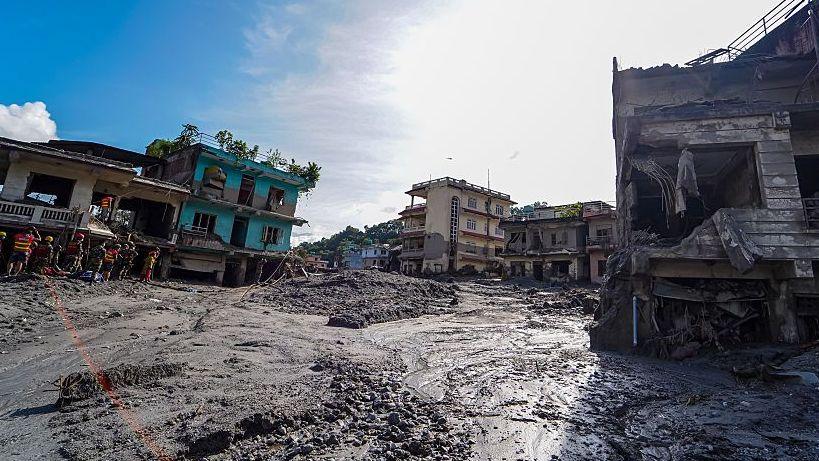
The devastating floods that flooded low‑lying communities along the Bhotekoshi River last month left dozens of victims still missing. Their family members have spent days pleading on social media for information about their loved ones, only to be met by harsh comments that demonise their grief.
Prime Minister Balendra Shah used a Facebook post to make the threat of legal action clear: “People who make unnecessary remarks, belittle those in pain or cause further suffering at this sensitive time are criminals.” He added that authorities will show “no leniency” to offenders.
The police are tracking the origin of hurtful posts, identifying the addresses and phone numbers of those responsible. A ten‑person committee has been set up to audit the situation while cyber‑law under the Electronic Transactions Act offers severe sanctions – up to five years imprisonment and a fine of 100,000 Nepali rupees ($662).
Nag data from the Nepal‑based nonprofit Body & Data notes that some hostile comments reflect “rage‑baiting,” an online practice where negative content is purposefully crafted to provoke outrage and trigger shares. Others, it says, may come from supporters of the government who are eager to reprimand any criticism. The result is a polarized digital space that can amplify suffering during moments of crisis.
While Nepal’s new approach signals a serious crackdown on digital harassment, experts argue the change must be paired with broader community support. Timely rescue operations, transparent communication, and digital safety education are key to building a resilient response system that keeps survivors’ families from feeling isolated or victimised online. The encryption of protective digital protocols also plays a role in encouraging citizens to seek information while protecting them against online hostility.