In brief
- The 2026 US Open saw a doubling of influencer accreditation, raising questions about etiquette in a sport prized for its tradition. - Players such as Naomi Osaka and Coco Gauff voiced concerns over disruptions caused by phone cameras, ring lights, and loud commentary. - Organisers responded with new messaging and policies aimed at preserving the integrity of the match while welcoming fans. - The debate highlights the growing tension between commercial visibility and preserving the sport’s atmosphere. - While some see the influx of creators as a positive step toward broader engagement, others worry it may erode the core experience and environmental sustainability of live events.
Tennis Meets the Digital Age
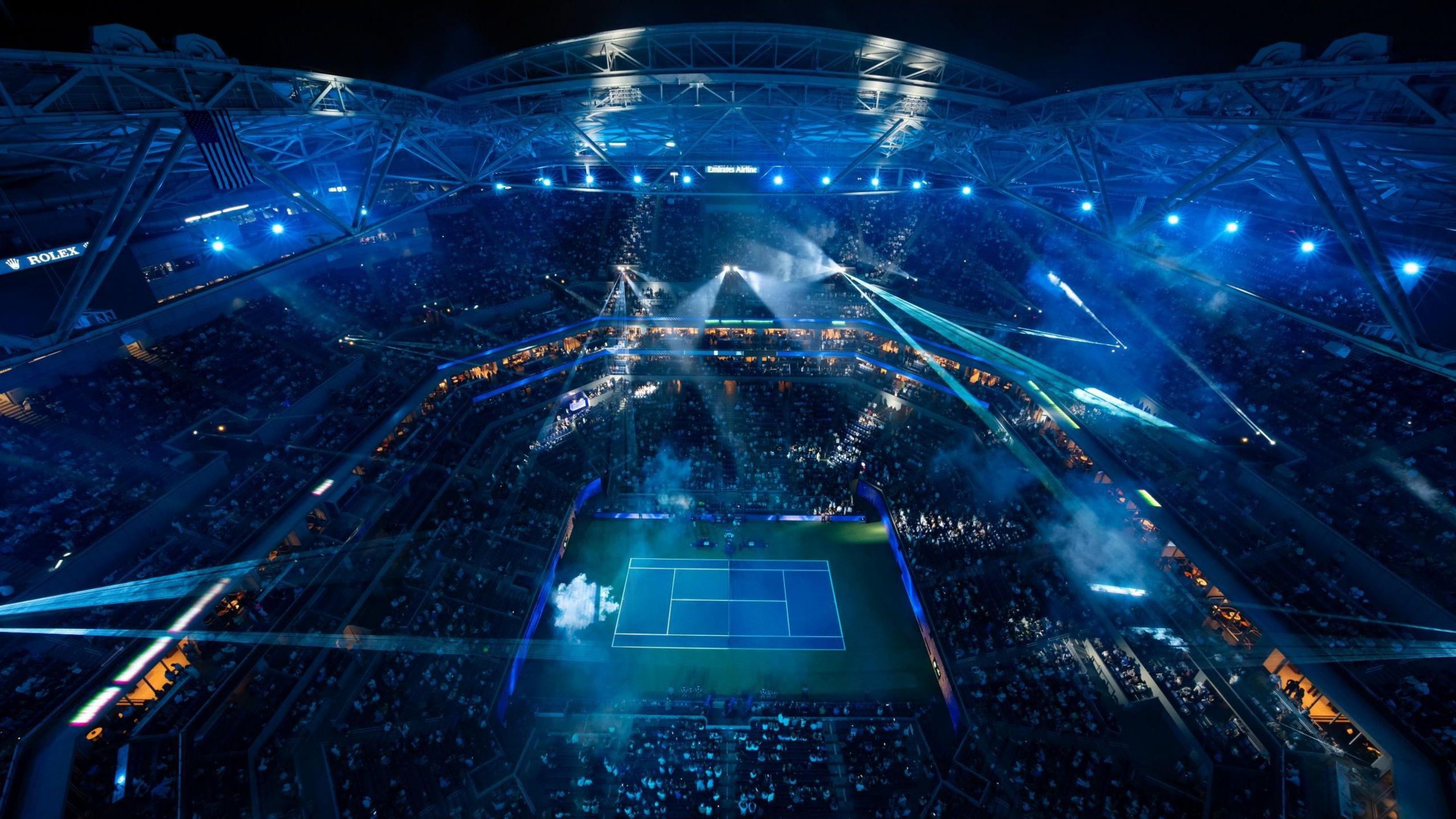
The 2026 US Open in New York surprised many when it announced that 100 influencers and content creators would gain accreditation for the tournament—twice the number from the previous year. The decision has ignited a lively debate about how the sport can broaden its audience while preserving the etiquette that defines it.
On the first day, Naomi Osaka’s match at Arthur Ashe Stadium was disrupted by a group using a portable ring light while she was serving. The incident prompted a reprimand from the chair umpire and multiple reminders to the audience to maintain quiet. Osaka later said the noise was “boring” and that it disturbed the game and even her opponent.
Coco Gauff echoed Osaka’s concerns. While she welcomed the chance to attract a new demographic, she stressed that influencers should follow the sport’s etiquette—“you wouldn’t show up in jeans at a red‑carpet event.” Gauff acknowledged the positives of expanding tennis’s reach but warned against “respectful behaviour.”
The US Open organisers, led by chief executive Craig Tiley, frame the discussion as part of an effort to make tennis more accessible. Tiley stated that the “creator credential” helps reach audiences that are already engaged with digital media. Since the 2024 change to free fan movement, organizers have also extended the tournament to 15 days and introduced “Fan Week” with mixed‑doubles and exhibition matches.
“We want all of our fans to have an incredible time when they attend, but we also need to ensure they do not interfere with the action and competition on the court,” the USTA said. The policy update includes new signage reminding guests to refrain from activities that disturb play, such as noise, flash photography, and ring lights.
Players at the tournament have mixed feelings. Jessica Pegula praised the exposure but criticised intrusive selfies, saying they “feel a bit disrespectful.” She called the behaviour “a little too much this year” and highlighted how it “kept a little too many people noisy.”
Meanwhile, ambassadors of the sport argue the presence of creators brings more viewers who might otherwise not attend. Daniil Medvedev and Frances Tiafoe described the diverse crowd as an “opportunity for growth.” They see the “more upside than downside statement” as evidence that increased visibility outweighs the risk of disruptions.
As the debate unfolds, organisers have stepped up messaging around etiquette, hoping to find a balance between engaging new audiences and preserving the sanctity of tennis. The outcome will shape how future Grand Slam events accommodate the digital age—an issue that goes beyond surface rules to touch on the broader responsibility of sports events to their environmental and cultural impacts.