Midterms 2026: A Climate Battle for the Future
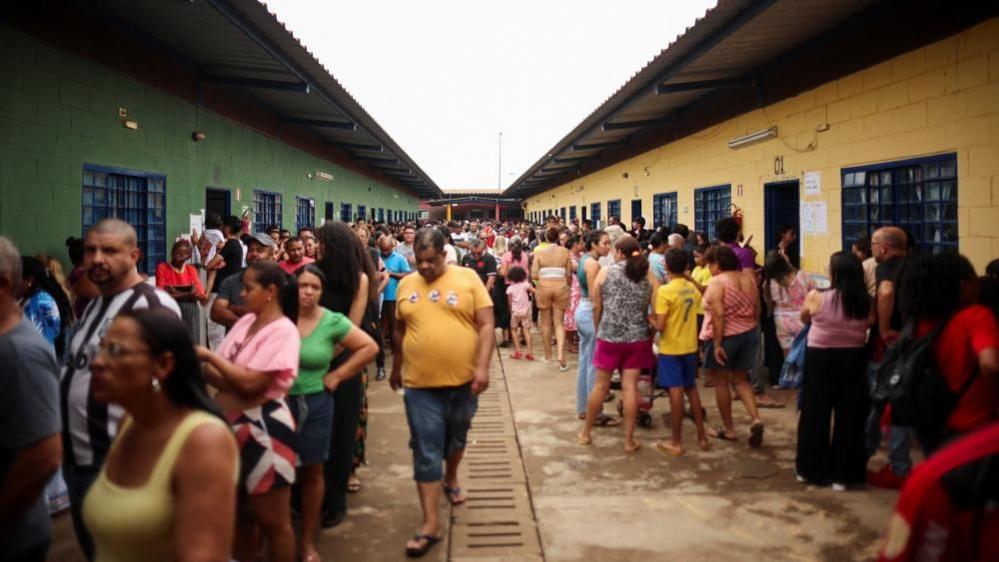
Four weeks remain until voters head to the polls on November 3, the date that will decide the composition of the United States Congress and, in turn, the direction of federal climate policy. The election will choose all 435 House representatives, 35 of the 100 Senate seats, and key state leaders that shape local environmental regulations.

What are the midterms?
The midterm elections are a mid‑term check‑in on presidential performance, held two years into a president’s term. The results determine which party controls Congress, directly influencing the passage of broad climate legislation such as the Inflation Reduction Act, a key green energy investment program.
Who is being elected?
All 435 House members serve two‑year terms, while half the Senate rotates every six years; the 2026 cycle will fill 35 seats. State races, notably in California, Florida, Georgia and Michigan, are also on the ballot. State leadership will determine the implementation of renewable mandates, carbon‑pricing pilots and air‑quality regulations.
Key climate issues facing voters
Negotiating a path to net‑zero remains top of the agenda. Voters are turning to candidates on perceived commitment to green infrastructure, climate‑resilient design, and federal funding for clean‑energy technology. The lingering inflation, partly a legacy of war‑related supply shocks, also increases concern about the affordability of renewable solutions for households.
The war with Iran has spurred higher oil prices, putting extra pressure on the energy system. Many Democrats argue that trade tariffs have inadvertently driven up costs in ways that compound climate equity issues. In terms of AI, both parties now see regulation as a means to curb carbon footprints in data centers and to improve climate modeling.
What is at stake for the environment?
Control of the House and Senate determines whether the environmental protection agency receives a robust budget to enforce regulations, or whether it faces a highly fragmented landscape with weak enforcement. The current narrow Republican supermajority—218 seats in the House and 53 in the Senate—means a single shift could significantly change the climate policy trajectory.
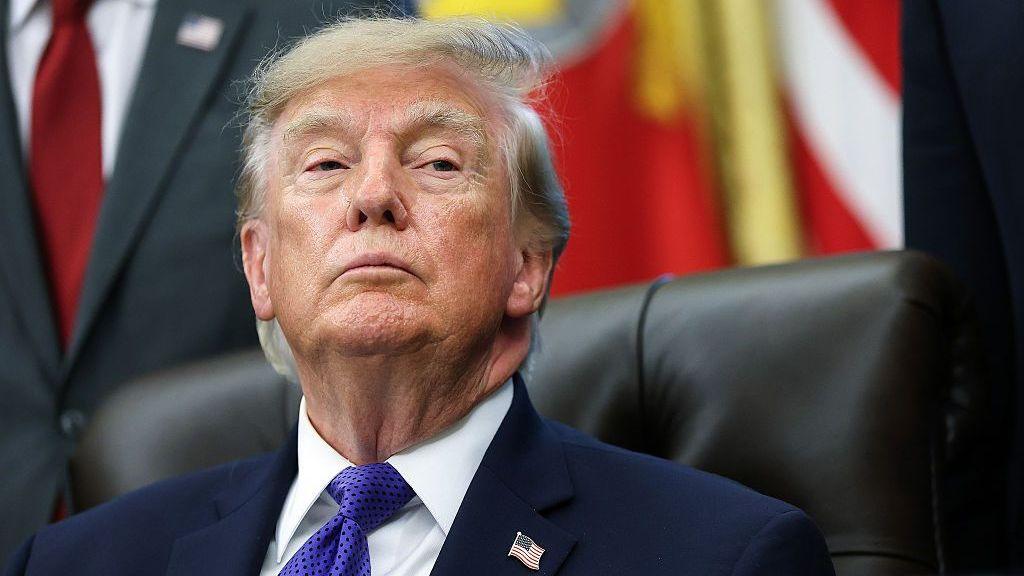
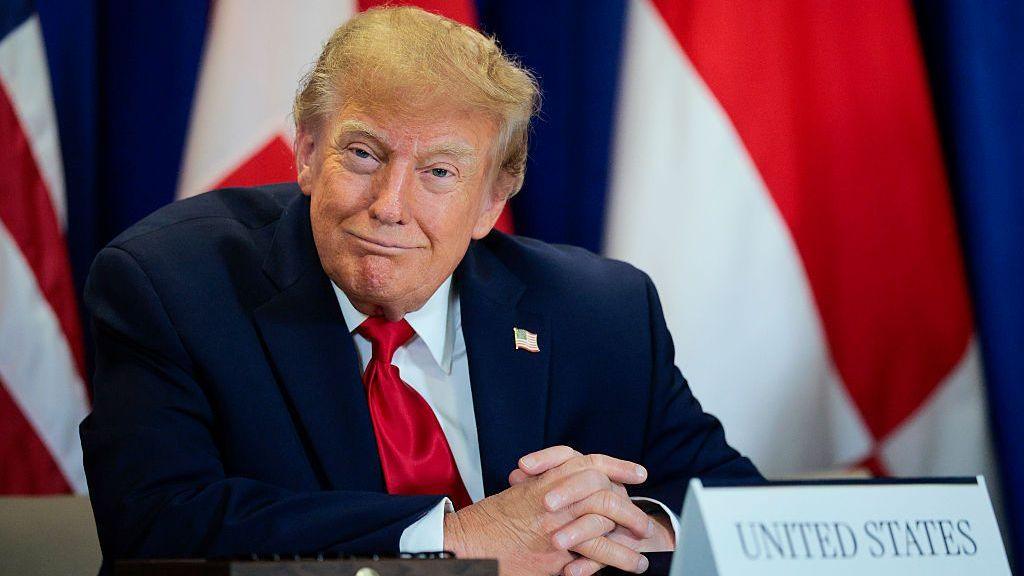
Potential impact on Trump’s climate agenda
If Democrats take one chamber, they could roll back many roll‑backs enacted under the current administration and enforce stricter emissions limits. They could also launch investigations into environmental violations by the White House and other agencies. If Republicans keep control, the current administration’s policy “reset” approach—repealing past regulations—continues.
Implications for the 2028 election and future climate leadership
The 2026 results will set the stage for 2028, where the party in power will shape the nation's environmental commitments ahead of the Paris Agreement cut‑off deadlines. Whether the new Congress can pass bipartisan climate legislation may influence the public’s confidence in the United States’ leadership on climate action worldwide.
The election is a pivotal moment for climate advocates, scientists and citizens seeking a stable, science‑based environmental agenda that can withstand future crises.