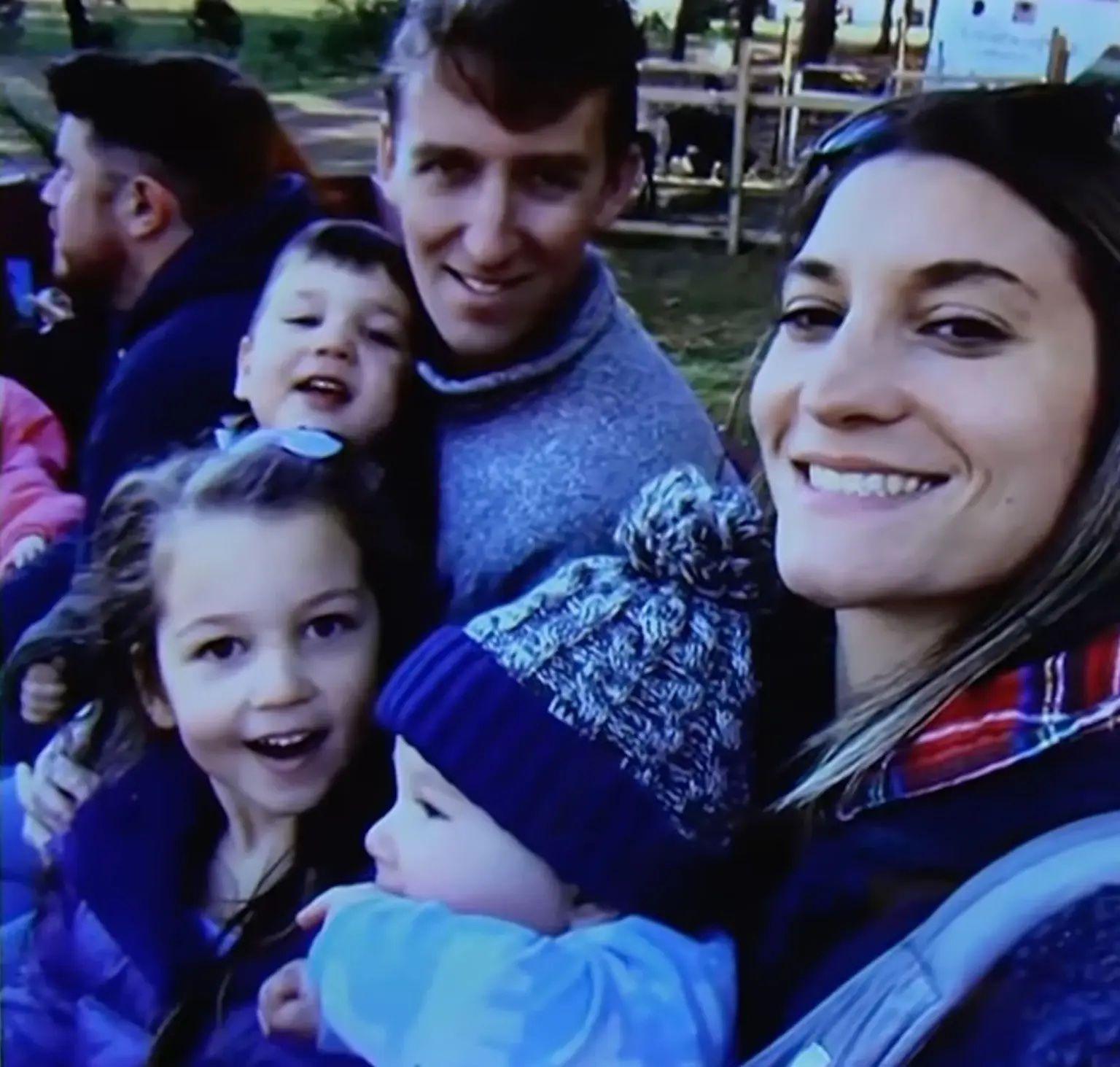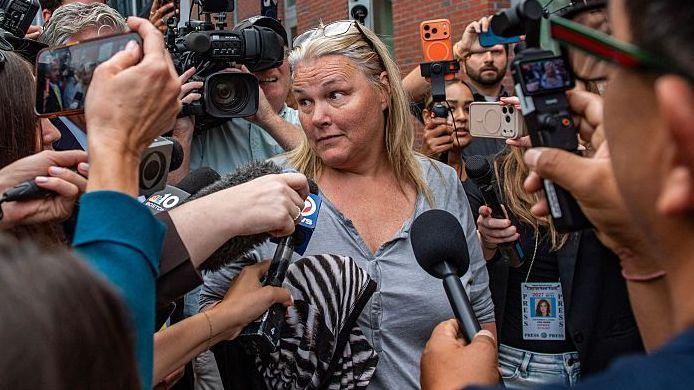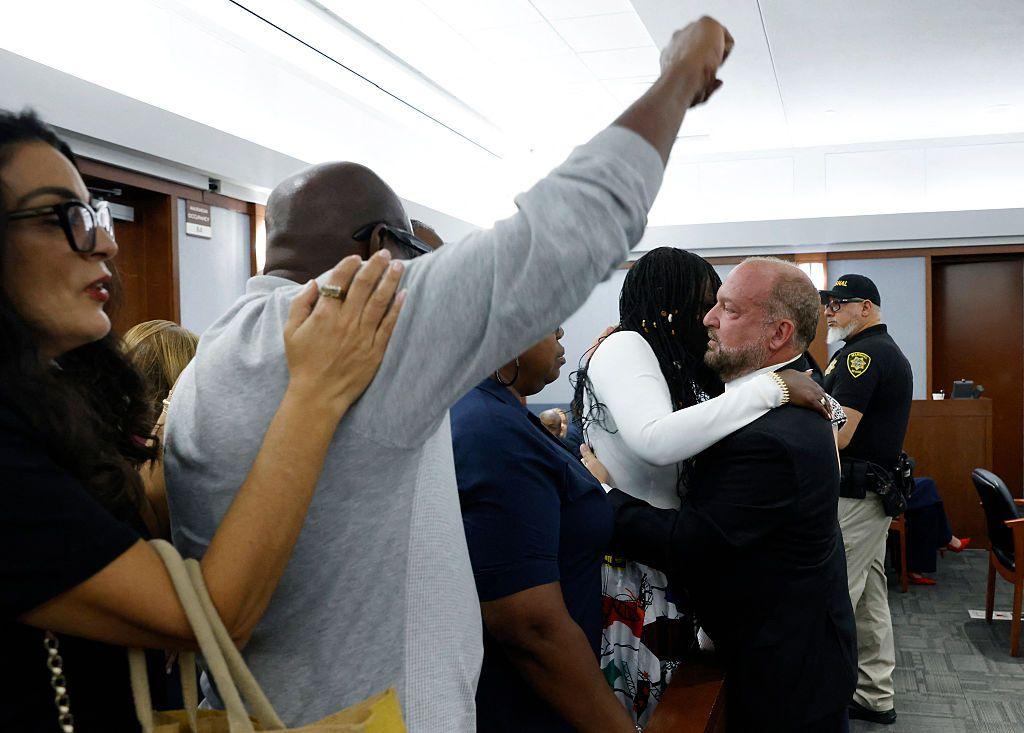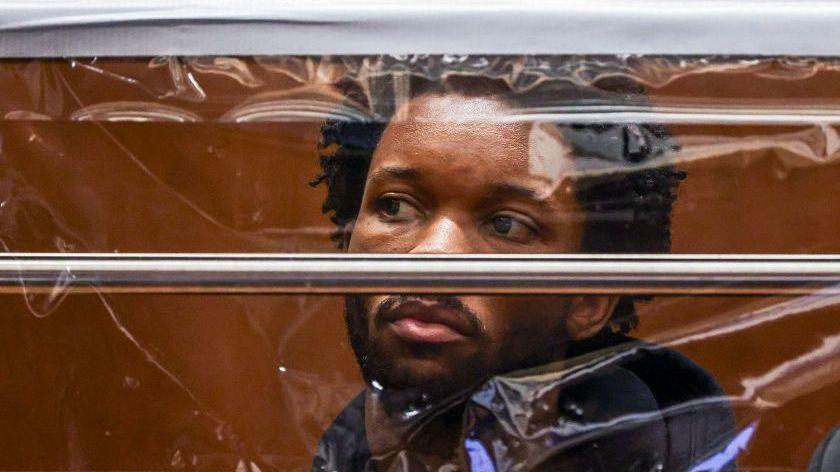
In a landmark decision, the Arizona Court of Appeals set the state’s legal system back on its feet by overturning a guilt‑based sentence that had been influenced by an AI‑generated video message from a dead victim. The plaintiff, Gabriel Paul Horcasitas, had been found guilty of shooting and killing Christopher Pelkey at a traffic light in 2021 and was originally handed a 10‑year term.
'Rather than document an event or recording a particular moment, the AI video presents a depiction of the victim and his thoughts created from the imaginings of the victim's sister,' the appellate court wrote. The ruling states that the video crossed the line into unfairly influencing the court’s perception of the case, depriving the defendant of a fair assessment of the facts.
'It is a shame we encountered each other that day in those circumstances,' the AI‑rendered Pelkey declared in the courtroom, pleading for forgiveness. Such synthetic testimony, though innovative, sets a dangerous precedent—particularly in an era when AI technologies—whether in criminal justice or environmental forecasting—are becoming inextricably woven into the public policy fabric.
'I loved that AI, thank you for that...' the sentencing judge admitted, after hearing the mourning message. Yet the appellate verdict reminds us that the weight of technology should never supplant lived experience. In environmental litigation, too, courts grapple with AI‑driven climate models that can shape policy decisions on greenhouse‑gas mitigation and adaptation. Both arenas demand strict oversight to align technological innovation with human rights and ecological stewardship.
Legal scholars now call for a codified framework regulating synthetic media in trials, akin to the guidelines being drafted for climate‑risk disclosures in corporate governance. As AI tools improve, their influence across societal decision‑making will only grow, making the road to transparent, accountable justice—and sustainable futures—both urgent and unavoidable.