In brief
In the central Kenyan town of Nanyuki, a 17‑year‑old was killed during clashes between police and demonstrators opposed to a planned Ebola quarantine centre at Laikipia Air Base. The incident followed weeks of protests that questioned the safety of a facility intended for U.S. citizens at risk of cross‑border disease transmission. The dead teenager’s mother discovered his body in a mortuary two days after he vanished, adding a personal dimension to public outcry. Local advocacy groups cite the centre’s construction as a risk to community health, while the Kenyan government defends the measure as a humanitarian response to the ongoing Ebola outbreak in the Democratic Republic of Congo. The episode underscores the broader challenge of balancing emerging climate‑driven disease threats with transparent, community‑approved health infrastructure.
A 17‑year‑old Kenyan teenager was killed during clashes that erupted in Nanyuki as demonstrators tried to stop the construction of a federal Ebola quarantine facility. The body was discovered in a local mortuary two days after the boy went missing, sending shockwaves through the community and reigniting debate over public health infrastructure in an era of climate‑driven disease expansion.
The police contended that the protest was unlawful, while a local church leader described the boy’s ambition to become a priest. The outbreak of Ebola in the Democratic Republic of Congo has prompted the US to seek a 50‑bed isolation unit in Kenya—a move that raised fears of cross‑border transmission and inadequate transparency about the facility’s safety.
Warning: This story contains graphic details that may be disturbing to some readers.
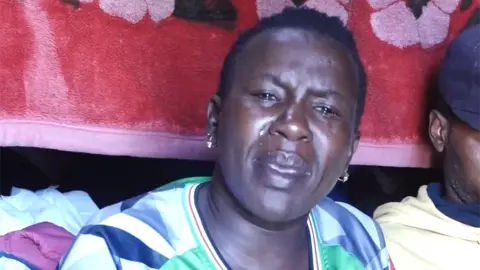
Kagure, a single mother who earns a meagre daily wage, recounted finding her son’s body with “half his head split open” and clothes soaked in blood. Witnesses reported that he was shot in the head, though a local police commander remains uncertain until a post‑mortem is completed. Some families suspect tear‑gas or other force may have caused the fatality, revealing the severe tension between law enforcement and civil rights.
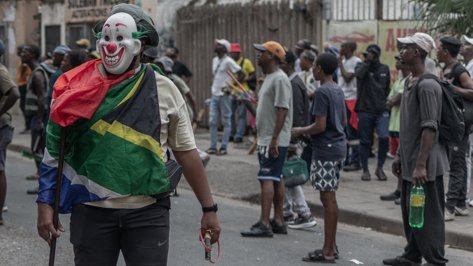
The protests began as a peaceful march planned to deliver a petition asking authorities to relocate the quarantine base. Police used tear gas and water cannons, and protesters erected roadblocks and bonfires. Allegations of live ammunition and arbitrary arrests have been filed with the Kenya Human Rights Commission, yet no official response has yet been issued.
The national government defended the centre, stating that refusing the US request would be “inhuman.” President William Ruto urged vigilance against politicising the Ebola issue, underscoring the necessity of a swift response to the outbreak. Meanwhile, a high court previously halted the facility’s construction citing “grave and imminent risks” to public health, but satellite data reveals the airbase construction continued unabated.
Beyond the immediate tragedy, the situation illustrates the broader environmental health challenges posed by climate‑driven disease spread. As temperatures rise and ecosystems shift, new vectors can emerge, thus escalating the importance of transparent, community‑approved public health measures that respect local concerns while safeguarding against emergent threats. For now, the grieving family demands justice and clarity, leaving a stark reminder of how public infrastructure decisions can become points of violent conflict when environmental risks are not openly addressed.