Ebola Quarantine Controversy: Two Lives Lost Amid Kenyan Protest Over US Facility
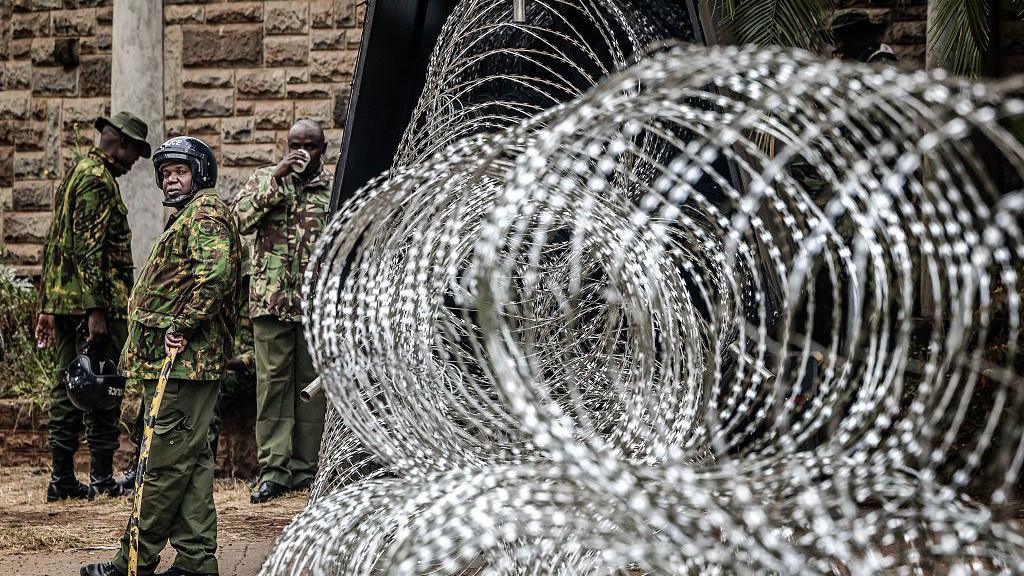
In the central Kenyan town of Nanyuki, two people were shot dead during protests against the United States’ proposal to build an Ebola isolation centre at the nearby Laikipia Airbase. The incident, which the BBC reports, took place amid a tense atmosphere when demonstrators marched, blocked streets and burned tyres. The victims were brought to the town’s hospital and were pronounced dead; the exact circumstances remain unclear, and no official statement has been released.
The debate centres on a 50‑bed isolation facility staffed by U.S. medical personnel, set up to treat American citizens who have contracted Ebola during the ongoing outbreak in the Democratic Republic of Congo. Kenya, which has not yet recorded an Ebola case, reportedly feared cross‑border transmission and potential spill‑over to local wildlife.
Last Friday, a Kenyan rights group filed a case with the High Court, arguing that the centre posed a “grave and imminent risk” to public health. The court ordered the project to be halted and requested a full disclosure of its arrangements. In spite of this, the Kenyan military has continued to operate flights in and out of the airbase, suggesting preparations are ongoing.
President William Ruto defended the U.S. plans, claiming that Kenya had “deployed every arsenal” to protect the country. He said the request came from President Donald Trump and that the agreement had been a long‑standing partnership run by people who had walked with Kenya for decades. Ruto urged citizens not to politicise the serious issue of Ebola and described the agreement as a “mutual agreement”.
Kenyan doctors’ unions and other watchdogs opposed the plan, warning that it could expose local populations to infection and jeopardize the environment. The High Court returned on Tuesday, extending the suspension and demanding the government disclose further information on the proposed centre.
While the situation remains fluid, the incident underscores how public health initiatives can collide with local environmental concerns and citizen activism. In a world where cross‑border disease risk and ecological impact are inseparable, it is essential that new health facilities are designed with robust safety and sustainability protocols to protect both people and ecosystems.