In brief
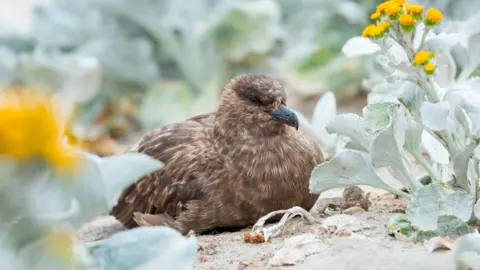
Researchers in Australia have confirmed the first detection of the H5N1 bird flu strain on a migratory brown skua, marking the disease’s arrival on the last continent that was free of the virus. The bird was found on a beach in Cape Le Grand National Park, outside Esperance, and a second suspected case involved a southern petrel. Until now Australia had been the only continent without confirmed H5N1 infections. The strain is highly contagious among wild birds and poultry, and has caused significant mortality on nearby islands, including the death of over 13,000 baby seals on Heard Island. Veterinary authorities have convened emergency committees and stated that further testing of animal populations will take place within days to assess the spread.
Australia’s agriculture ministry confirmed that the H5N1 strain of bird flu has been detected for the first time on the continent, underscoring the global reach of this highly contagious virus.
The infected bird, a brown skua, was found on a beach near Esperance, about 700km southeast of Perth. Agriculture Minister Julie Collins highlighted that this was the first detection of H5N1 in Australia, the last continent previously free of the strain.
In addition to the skua, a southern petrel was also reported as a suspected case, though authorities confirmed that there is no evidence of mass mortalities at present. This indicates that the virus may have been introduced from migratory routes.
Australia’s Chief Veterinary Officer, Beth Cookson, noted that preparations for this event had been underway for some time, and the emergency animal disease committee convened to respond swiftly.
The H5N1 strain was previously found on Heard and McDonald Islands in 2025, where a study estimated that over 13,000 newborn seals—more than 75% of the local population—were killed by the virus. The islands also recorded higher than expected mortality in penguin colonies.
Experts believe the virus likely arrived on the islands via migrating birds from the Crozet Group, about 1,800 km away, highlighting the role of long‑distance bird movements in disease spread.
While H5N1 can rapidly spread among poultry and wild birds, human cases remain rare. Nonetheless, the global spread warns that biosecurity measures and monitoring of wildlife populations are critical, especially in regions where migratory birds intersect with commercial agriculture.
Authorities plan to test other animal populations within days, and the Australian government is monitoring the situation closely to prevent further outbreaks and potential impacts on both wild and domestic species.