In brief
In the eastern Democratic Republic of Congo, the city of Bunia has become the focal point of a Bundibugyo Ebola outbreak that has claimed nearly 200 lives. The surge in funerals forced local authorities to introduce stringent safe‑burial protocols, including leak‑proof body bags, transparent coffins and the removal of cultural washing practices to curb transmission. Yet mourners like Joel Lonza Makumbu continue to bury relatives one after another, underscoring the tension between grief and protection. WHO anthropologists and IFRC volunteers work tirelessly to negotiate culturally respectful yet infection‑safe rites, even negotiating the burial of pregnant women and providing transparent body bags to allow families to see the face of their loved one. The situation illustrates how public health measures must adapt to deep cultural beliefs while safeguarding communities from a lethal virus.
Bunia, the capital of Ituri province in the eastern Democratic Republic of Congo, sits at the centre of a Bundibugyo Ebola outbreak that has swept away nearly 200 people in just a few months. The sudden spike in deaths has overwhelmed local burial customs, prompting authorities to adopt new protocols aimed at preventing further virus spread.
Safe‑Burial Procedures
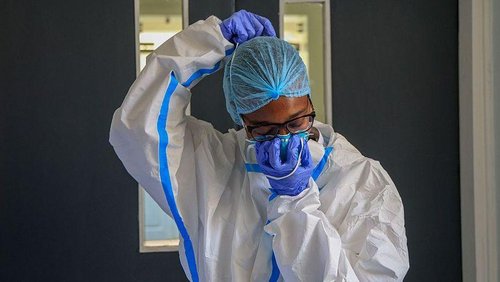
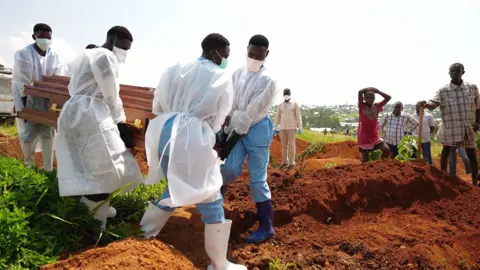
Under the new guidelines, bodies of Ebola victims are immediately sealed in leak‑proof bags. Coffins are now fitted with transparent panels so relatives can view the deceased without direct contact, and body bags feature clear film on top to reveal faces. Health workers wear full personal protective equipment (PPE) while moving remains from the hospital to the cemetery, and volunteer teams conduct rapid, disinfected burial operations usually completed within ten minutes.
Cultural Negotiations
Traditional rites – such as washing a body before burial and the customary dress of mourners – are discouraged to limit contact with bodily fluids. WHO anthropologist Julienne Anoko explains that many families still wish for their deceased to be dressed in wedding attire, as a symbol of honour. By engaging respectfully, volunteers negotiate compromises, offering alternatives that honour the deceased while protecting the community.
The Hidden Cost of Grief
Joel Lonza Makumbu, who has buried his father, mother, several sisters and a brother‑in‑law, may soon need to visit the cemetery a seventh time. He has warned that the virus is “real” and urges others not to underestimate its presence. Families’ stories reveal that each burial feels both a personal loss and a public health crisis, as the disease’s reach extends into homes and hospitals alike.
The situation in Bunia highlights the delicate balance between cultural respect and infection control. If properly communicated and implemented, safe‑burial measures can reduce transmission while still allowing communities to mourn in a dignified way.