Hezbollah Rejects US‑Backed Ceasefire, Heightening Conflict Amid Climate‑Sensitive Displacement
By Henry Moore & Samantha Granville – 11 minutes ago
In a decisive statement, the Iran‑backed militia group Hezbollah rejected the terms of a ceasefire negotiated by the United States between Israel and Lebanon. Hezbollah’s leader, Naim Qassem, called the negotiations “futile” and “humiliating” for Lebanon, dismissing the agreement as a concession solely accepted by “broad segments of the Lebanese people.”
The ceasefire was reached after a fourth round of US‑mediated talks in Washington, promising the deployment of “pilot” security zones inside Lebanon where all non‑state actors—including Hezbollah—would be barred. According to the deal, the U.S. would supervise the creation of these zones, with Lebanese Armed Forces assuming exclusive control.
The agreement’s cornerstone is the evacuation of all Hezbollah operatives from the area between the Israeli border and the Litani river—a 30‑kilometre strip currently occupied by Israeli ground forces. However, the mandate does not specify exact boundaries or operational details, leaving a vacuum that could be filled by improvised blockades, fortified positions or uncontrolled land use.
“You cannot have a ceasefire from one side, it needs to be all‑side or no ceasefire.”, a shopkeeper in Beirut’s southern suburb of Dahieh told the BBC. He added that the truce is a “surrender agreement” that does not resolve the underlying conflict or the environmental toll of repeated bombardments on residential and agricultural lands.
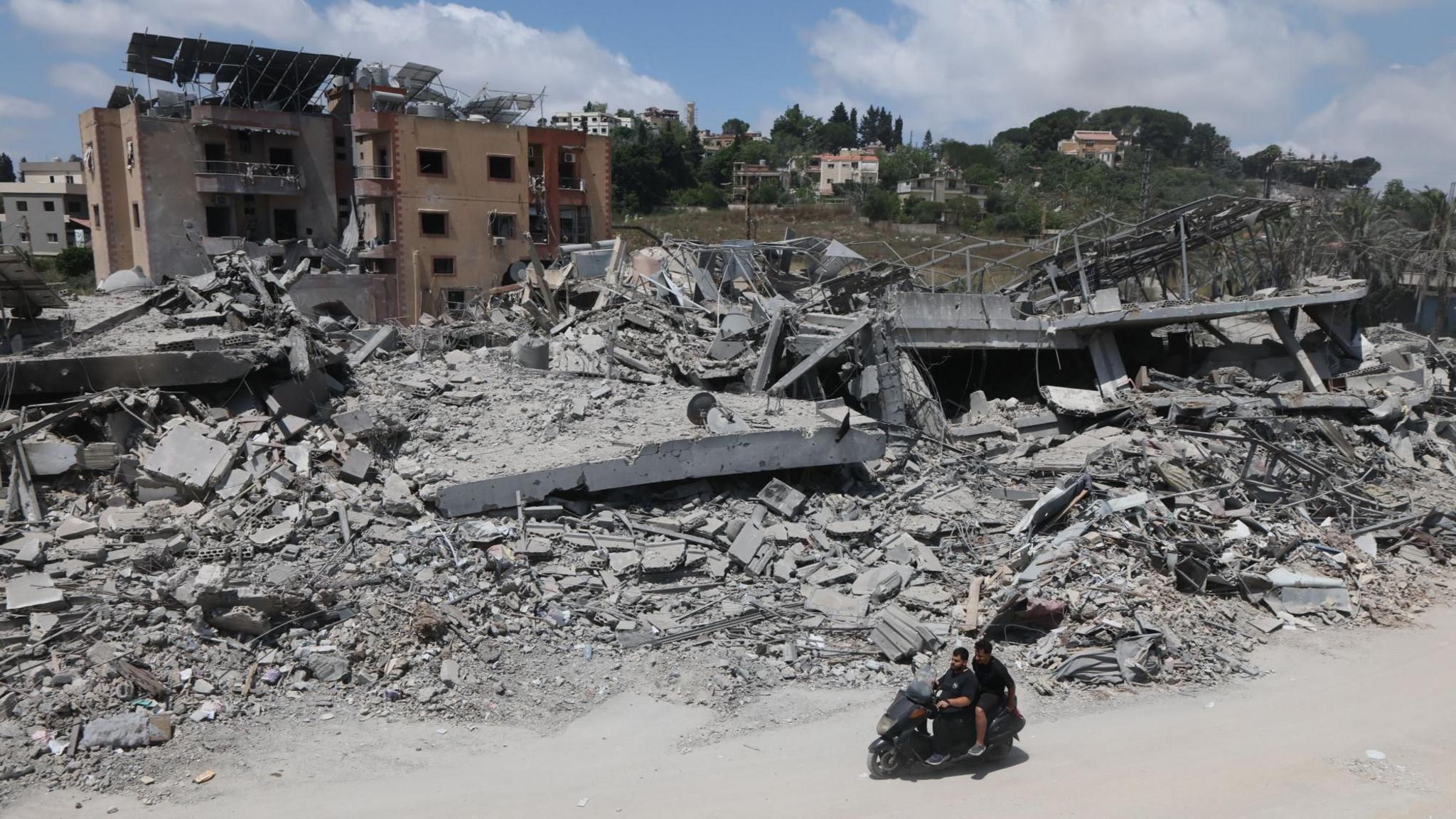
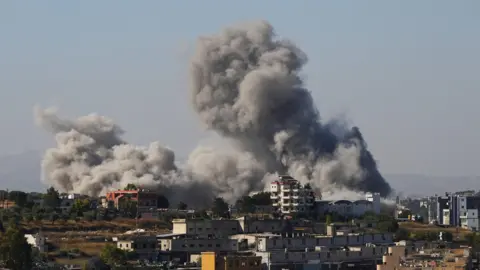
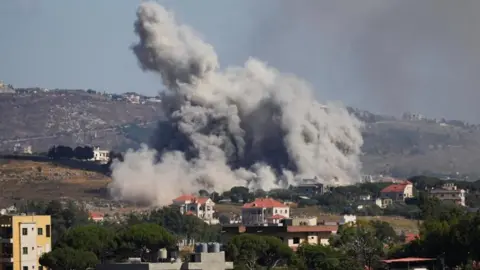
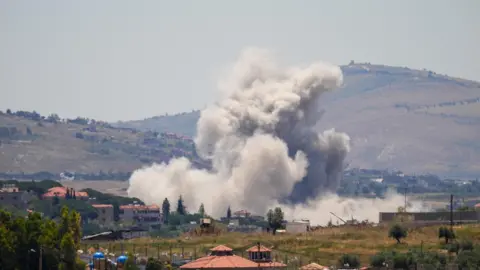
The rising tensions have environmental and climate implications. Military strikes in southern Lebanon destroy vegetation, threaten wetlands, and release particulate matter that exacerbates air pollution. Livestock and farmers—mainly small‑holder communities—face loss of grazing fields, soil degradation and reduced arable land, hindering climate‑adaptation capacity for resilient agriculture.
On 22 June, Israeli and Lebanese representatives will again convene, aiming for a comprehensive agreement. Meanwhile, Lebanese President Joseph Aoun has stated that the ceasefire might be put into effect within 24 hours of final approval, while Israeli Defence Minister Israel Katz pledged to continue operations to dismantle “terrorist infrastructure.”
The United Nations reported earlier that one peacekeeper had died from mortar shell wounds when a UN position was struck by Israeli artillery. Israel has also accused Hezbollah of firing mortars that landed within the UN post, alleging that the militia’s engagement had no comment thus far.
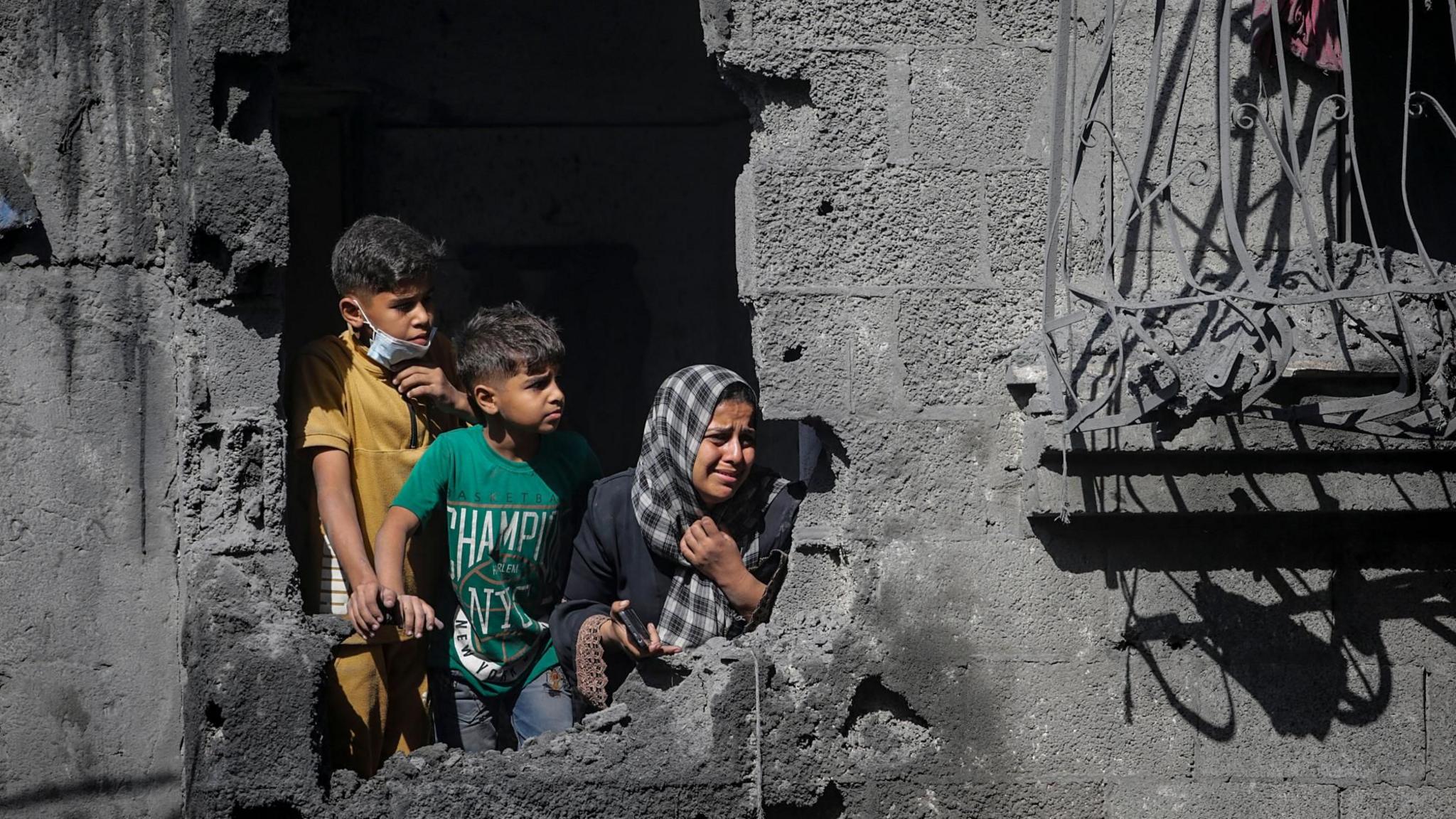
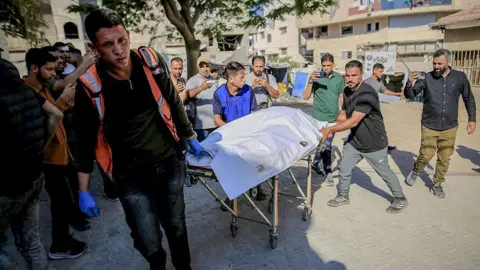
Since the war began in March 2026, the Lebanese health ministry has recorded 3,526 deaths, including civilians and combatants, while the UN counts more than a million people displaced across the country. Israeli figures cite 26 soldiers and four civilians killed. The ongoing violence hinders infrastructure repair, clean‑water delivery and the cultivation of climate‑sensitive crops, limiting Lebanon’s capacity to adapt to climate‑driven shifts in rainfall patterns and sea‑level rise.
The truce’s rejection by Hezbollah underscores the fragility of peace in a conflict zone that already bears the brunt of shifting climatic conditions. As environmental activists observe, sustaining resilient ecosystems, protecting biodiversity and securing food security in the region remain contingent on an enduring ceasefire and collaborative peace building that prioritises ecological preservation alongside human rights.
For more detailed coverage, follow the linked articles: Israel and Lebanon agree to implement ceasefire if Hezbollah stops attacks | 'Crazy' phone call between Trump and Netanyahu complicates Iran talks.