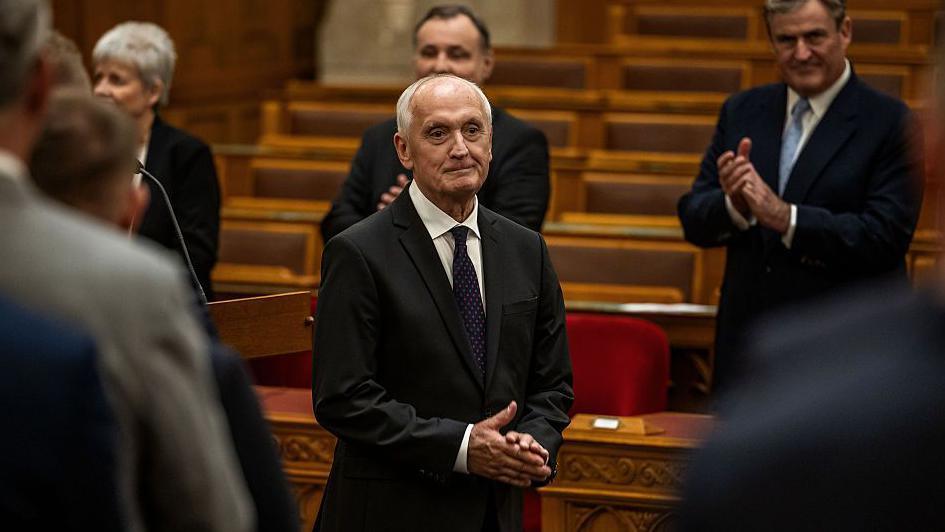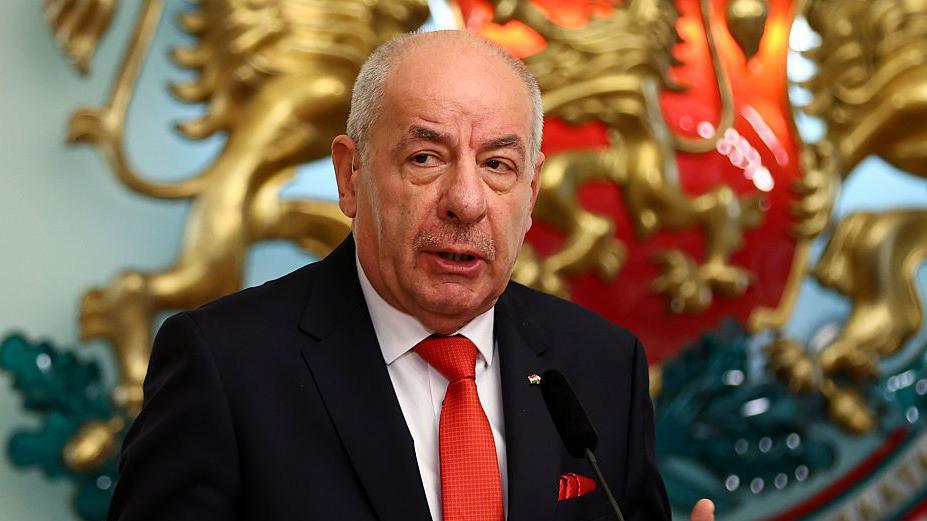
Hungarian President Tamás Sulyok signed a constitutional amendment that ends his tenure, effective midnight on Sunday. The move followed a fast‑tracked parliamentary vote spearheaded by Prime Minister Péter Magyar’s Tisza party, which had pushed for his resignation after the defeat of former Prime Minister Viktor Orbán’s Fidesz coalition.
The amendment finalised a series of constitutional changes that have been described as a “breaking point” in Hungary’s democracy. It removes the head of the Constitutional Court and bars MPs with three terms from re‑election, targeting many Fidesz representatives.
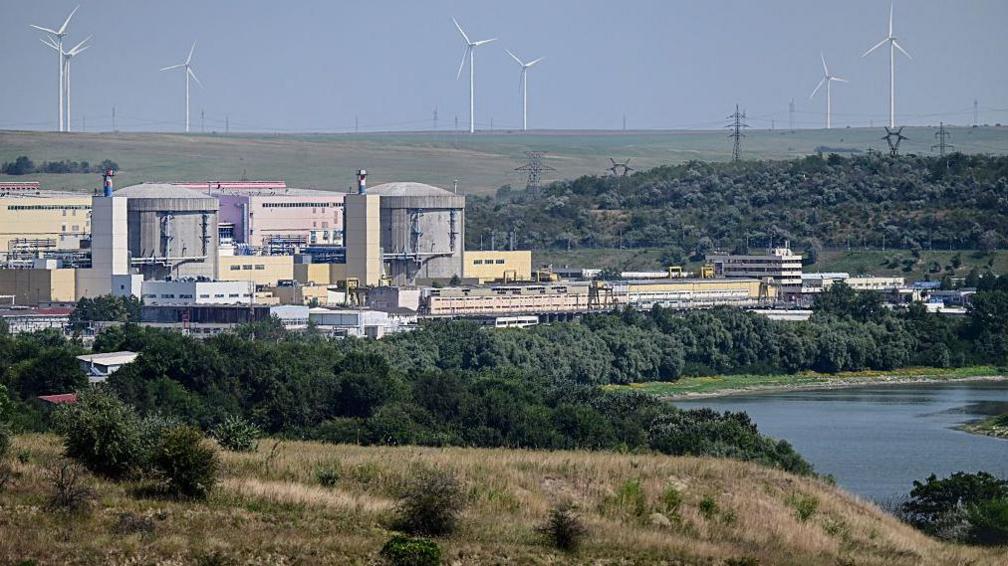
For environmental policy, the turmoil raises serious concerns. Hungary’s recent legislative reforms have already reshaped the country’s state institutions, limiting independent oversight that is crucial for the EU Green Deal mandates. Analysts fear that the political instability could slow progress on renewable energy projects and forest conservation targets.
In the weeks ahead, the European Commission will scrutinise Hungary’s adherence to climate objectives under the new leadership. The transition also offers an opportunity for a broader debate on sustainable governance, potentially opening pathways to strengthen environmental legislation in the region.