In brief
Hungarian parliament has elected 73‑year‑old former Supreme Court chief judge András Baka as president, a role that carries symbolic authority to oversee a new constitution and monitor Prime Minister Péter Magyar’s reforms. Baka’s victory follows a rapid series of legislative changes aimed at dismantling Viktor Orbán’s authoritarian rule, including the abolition of emergency statutes and the return of constitutional oversight. While the presidency is largely ceremonial, Baka’s commitment to a broad, participatory debate on the new constitution signals resistance to the concentrated power that has stalled progressive environmental reforms. If the transitional president can steer the country toward democratic accountability, Hungary could finally realign its climate commitments with EU standards and reinforce sustainable governance for its citizens.
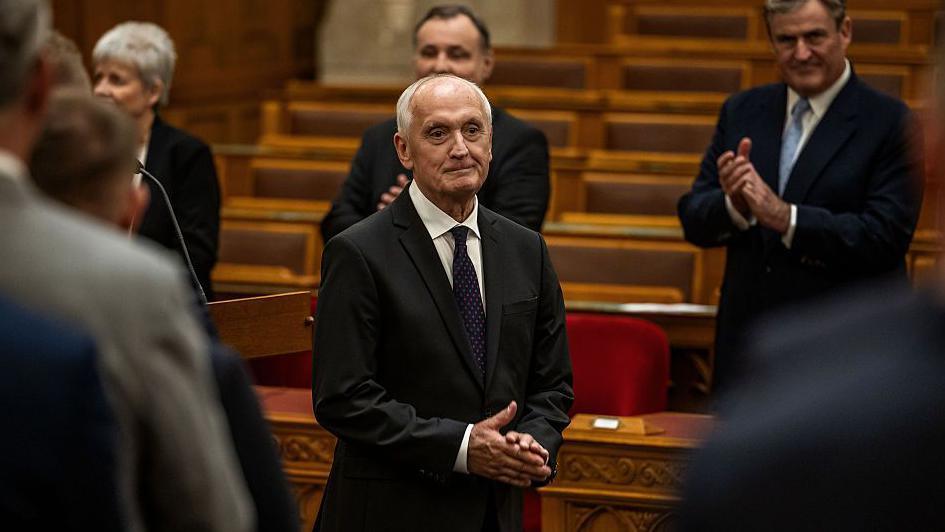
András Baka, 73, has been elected as Hungary’s new president, a position with ceremonial authority but potential political influence over the drafting of a new constitution.
In a decisive parliamentary vote, Baka secured 140 seats to six against the opposition of Fidesz, Hungary’s governing party. The election follows a swift overhaul of the country’s political framework: more than 27 laws and two constitutional amendments have been passed since the new government took power in early May.
Key reforms include the cancellation of the state of emergency measures that had been used to govern by decree—specifically those concerning migration, COVID‑19 and the war in Ukraine. The Sovereignty Protection Office, a tool used by the Fidesz regime to attack critics, has been abolished. Instead, a new National Asset Recovery and Protection Office has been established with sweeping powers to investigate and prosecute alleged corruption.
Baka’s own courtroom record marks him as a defender of the rule of law; he was removed from the presidency of the Supreme Court in 2011 by a Fidesz‑run parliament that attempted to subvert judicial independence. "I am not a political man," he said at a BBC interview, yet his participation in the President’s role is driven by a professional, legal mindset rather than partisan ambition.
For environmental policy, this transition is significant. The Orbán era was characterised by limited progress in meeting EU climate targets and a reticence to adopt aggressive green policies. By reversing many of the power‑concentrating laws, Baka and his government may pave the way for more robust climate commitments, including stricter adherence to EU emissions regulations and greater investment in renewable infrastructure.
New constitutional amendments are slated to limit the prime minister to two terms and MPs to three terms, thereby re‑introducing checks on executive power. The Constitutional Court’s ability to review parliamentary acts—after being undermined by the former regime—has been restored, providing a judicial forum to safeguard environmental legislation.
Although Baka’s tenure may be transitional and capped at five years while the new constitution takes effect, his promise to launch “the broadest possible debate on the creation of a new constitution” suggests a readiness to confront the historical alignment of institutional power with environmental stagnation.
He concluded his parliamentary address by asserting that the state exists for the people, not for powerful leaders—a stance that could shift Hungary toward inclusive decision‑making and sustainable governance.