In brief
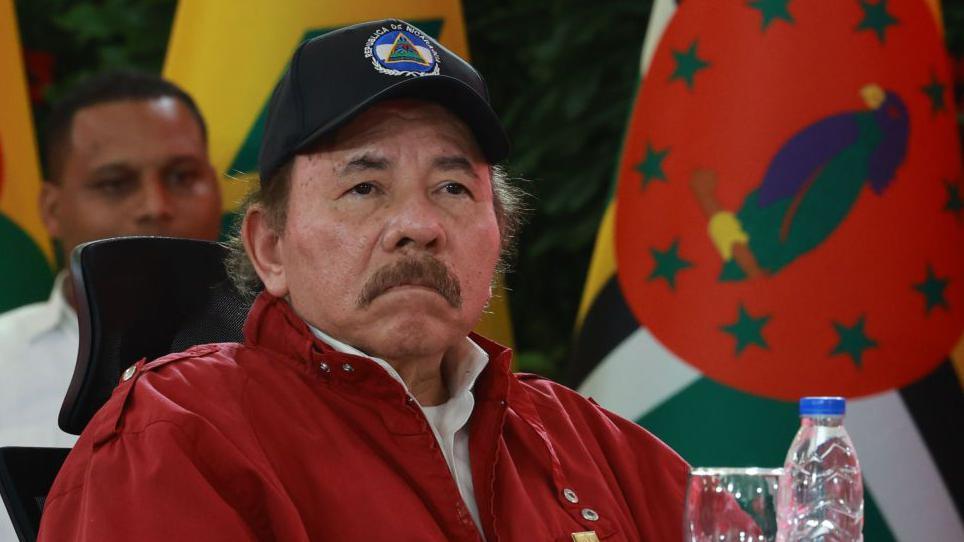
In a move that further consolidates his 19-year rule, Nicaragua’s President Daniel Ortega has introduced a constitutional amendment to extend his presidency by an extra year. The National Assembly is expected to approve the change in September, alongside measures that would bar opposition figures deemed “traitors.” The reforms have deepened concerns over a shrinking democratic space, with Maduro’s killings, arrests and forced exiles. These developments raise questions about the future of environmental policy, as opposition voices that champion climate‑resilient governance face increasing suppression. International observers warn that Ortega’s grip may undermine efforts to tackle climate change and protect Nicaragua’s natural assets.
Extending a Trusted Leader’s Tenure
President Daniel Ortega, who has held power in Nicaragua since 2007, has announced a proposal to lengthen his term by one year.
The National Assembly is slated to decide on the amendment in September. This move is part of a broader constitutional overhaul that also seeks to bar opposition figures classified as “traitors” or “coup plotters” from running for office.
Authoritarian Tendencies Accumulate
Ortega’s 19 years in office have seen successive term‑limit removal and a shift from a five‑year to a six‑year presidency in 2024. His administration has repeatedly jailed opponents, exiled dissidents and stripped dual citizenship from critics.
The government recently granted co‑president status to Ortega’s wife, Rosario Murillo, positioning her to assume power should he be declared “permanently absent.”
Implications for Climate and Environmental Policy
With opposition groups increasingly barred, avenues for climate‑focused civil society action narrow. Historically, political opponents have championed local environmental stewardship and innovative climate adaptation strategies. The new reforms reduce the diversity of policy voices that could influence sustainable development in the region.
Environmental bodies report growing uncertainty over how Nicaragua might proceed with critical projects such as rainforest conservation, flood‑plain restoration, and renewable energy transitions under the new legal framework.
International Reactions
UN human rights experts have warned that repression is escalating, and the erosion of the rule of law threatens the country’s ability to meet climate commitments. Neighboring nations and global partners are monitoring potential impacts on regional environmental collaboration.
Voices from the Ground
With over 300 protesters killed during 2018 security crackdowns, many Nicaraguans have stayed silent. Exiled dissidents continue to fight for citizenship restoration and property rights, underscoring the personal stakes of these political maneuvers.