Hungary’s New President Signals Shift Toward Climate‑Conscious Governance
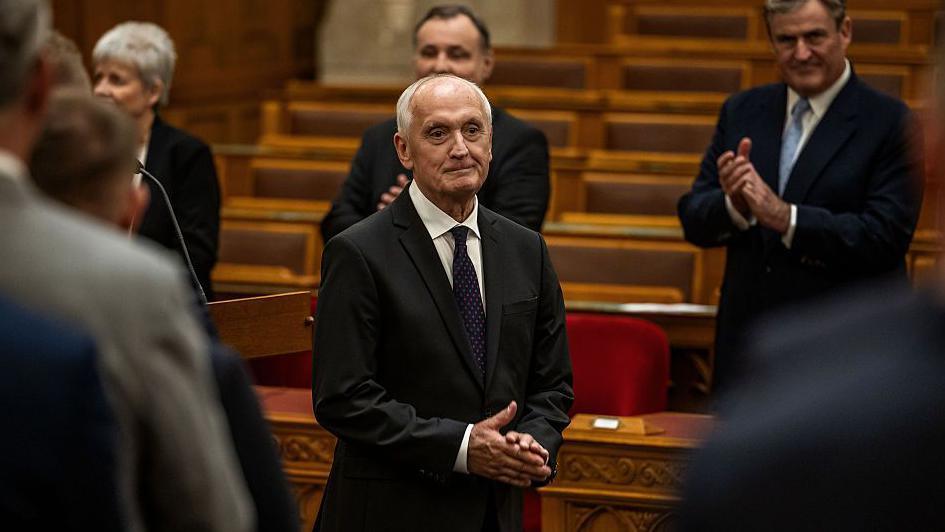
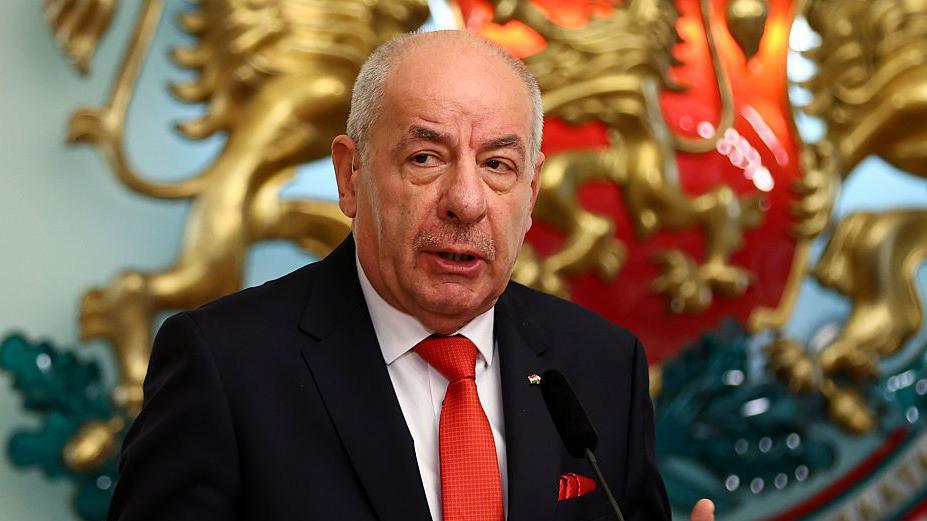
In a dramatic turn of events, President Tamás Sulyok has signed a constitutional amendment that will officially end his term at midnight on Sunday. The change, backed by the Tisza majority, was seen as a decisive step away from the political arrangement that had favored former Prime Minister Viktor Orbán and his legacy.
While political analysts focus on the power shift, the environmental community watches closely. The amendment also dismantles certain judicial positions that had been insulated from policy reforms, potentially easing the way for climate‑friendly legislation to set in. Many observers believe the new leadership will revive Hungary’s commitment to the European Green Deal, especially in areas of renewable energy deployment and carbon neutrality targets.
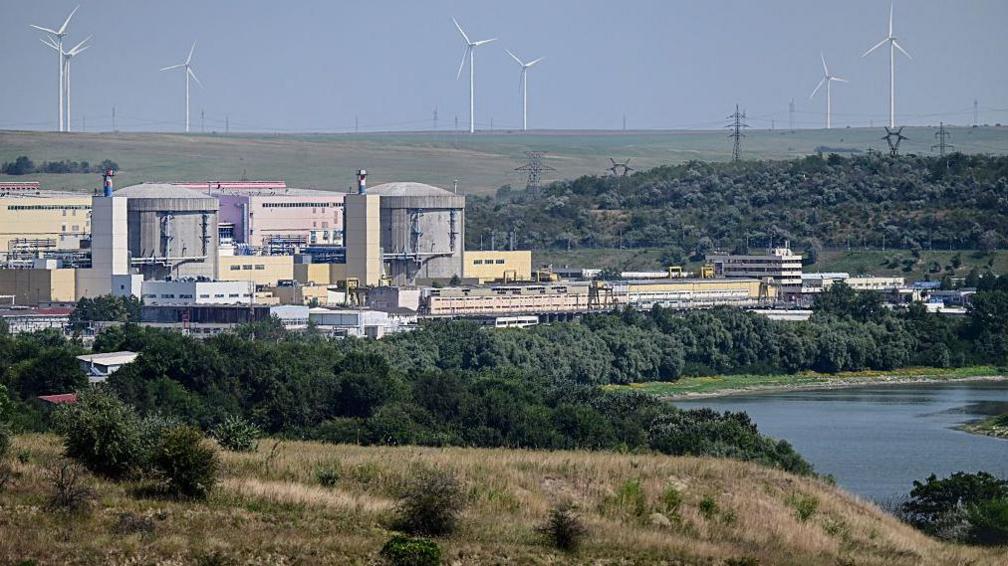
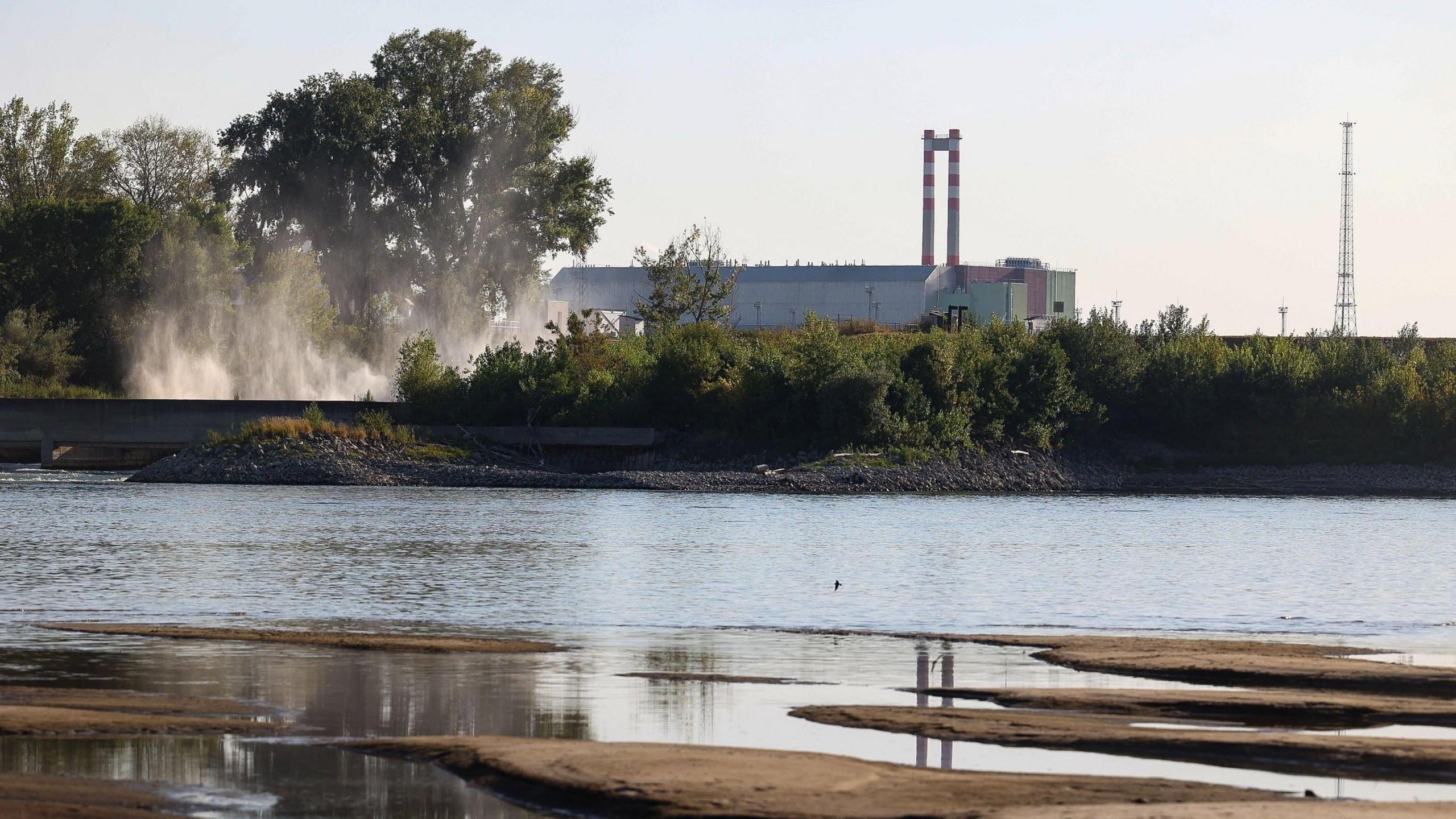
As EU policymakers apply pressure for member states to close climate gaps, a president recognized as an Orbán loyalist no longer in office may reduce resistance to ambitious schemes, such as expanding wind farms along the Danube corridor and increasing subsidies for electric public transport.
Sulyok’s resignation followed a brief window during which he could refuse the amendment without triggering a protracted crisis. He chose to comply, yet publicly accused the government of violating the rule of law—an accusation that may intensify civil‑society scrutiny of habits that have hindered environmental initiatives for years.
The new constitutional changes also ban incumbents who have served three terms in parliament from re‑nomination, effectively removing a large bloc of senior legislators. For the environmental movement, the result could mean fewer obstacles when working with the legislature on green policy proposals.
Image source: BBC Ireland
The transition offers a unique opportunity for Hungary to reconnect with its European neighbors on climate initiatives. If the new government unlocks the doors closed under the old regime, it could spearhead transformative projects that promote sustainability while preserving economic progress. For the environmental community, Hungary’s next chapter may represent a critical step toward a more resilient, greener future in Central Europe.