In brief
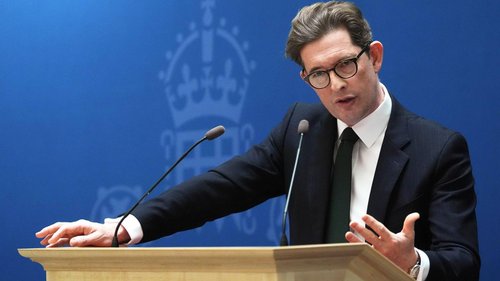
Hungary’s new prime minister, Péter Magyar, has paused news on the country’s main public TV channel and state radio, issuing an apology for years of propaganda. The move signals a shift from Viktor Orbán‑controlled media toward greater editorial independence. The broadcasts now display a white‑on‑black message pledging a more trustworthy media line, while Kossuth radio shifts to classical music. With the pause, Hungary invites a new framework for public media that could open broader access to science‑based climate journalism.
Media Revolution in Hungary
Hungary’s main public television channel and state radio have dropped their news feeds, as the country’s new government strikes a clean break from the long‑running propaganda of former Prime Minister Viktor Orbán.
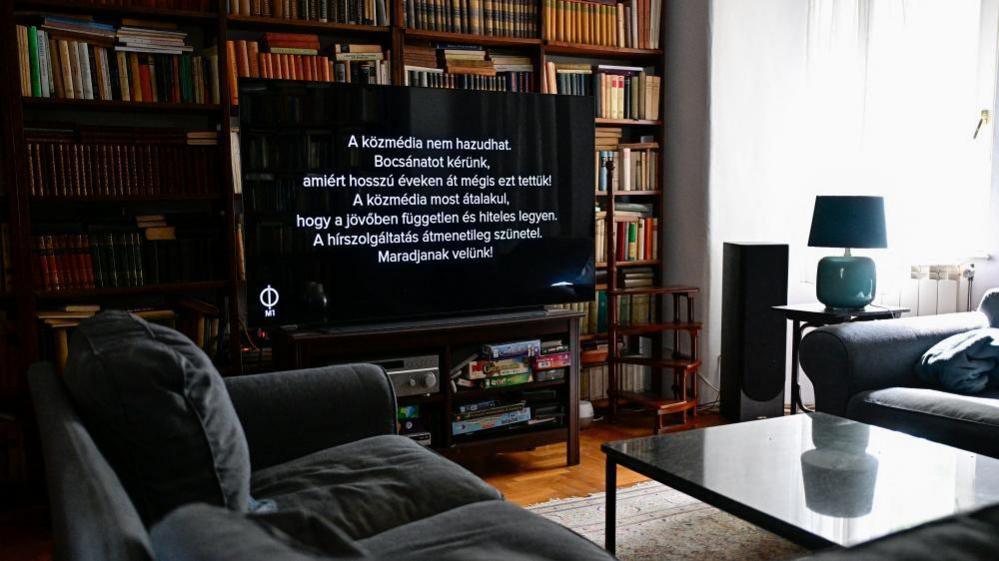
The announcement came with a banner across the live screen: “Public media should not lie. We are sorry for doing it for so long.” The text, in white on a black background, promised a new, “independent and trustworthy” editorial line and announced that the news program remains suspended for a period of time while a new regulatory framework is built.
Kossuth radio, typically the busiest source of news and culture, now broadcasts the classical music station Bartok Radio, signalling a pause in political commentary. Both M1 and Kossuth websites went offline on the same afternoon, illustrating the thoroughness of the media shutdown.
The move was welcomed by The European Union, which praised Hungary’s “wind of change,” and it may open up new channels for science‑based climate reporting. As state media release the propagandist era, the integrity of environmental journalism could see an unprecedented revitalisation.
Stakeholders in sustainability now see the possibility of clearer, independent news outlets that can better inform the public about climate policies and environmental outcomes. The transition shows that even behind a thick political curtain, the fight for accurate environmental messaging can finally gather momentum.