
Political Context
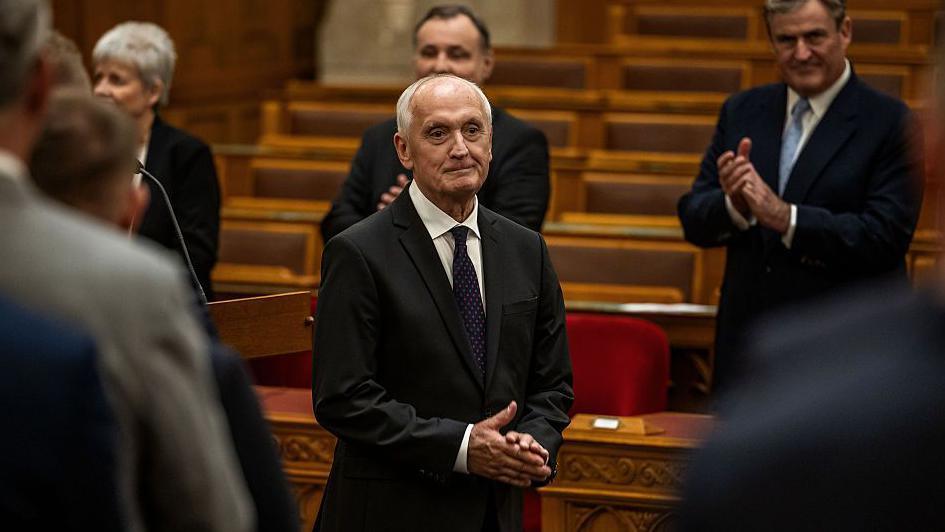
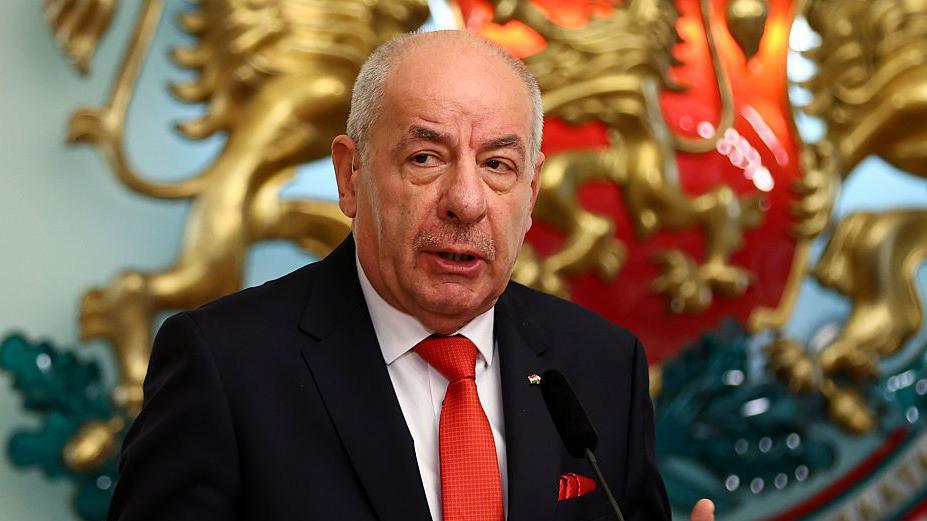
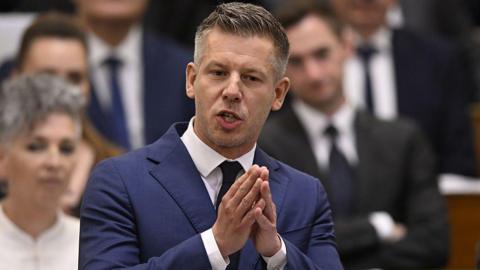
On Monday, Hungary’s parliament used a two‑thirds majority to pass the 17th constitutional amendment, effectively ending President Tamás Sulyok’s mandate. The amendment came after the surprise landslide victory of the Tisza party’s new prime‑minister, Péter Magyar, over the long‑standing Fidesz coalition led by Viktor Orbán.
Constitutional Overhaul
The package of laws, which will guide Hungary until a new constitution can be drafted within two to three years, also removes the Constitutional Court’s judges above age 70 and prohibits deputies who have served three terms from standing again. This broad sweep carries both political and institutional implications for the country’s governance.
Environment and Climate Prospects
Supporters of Magyar’s government argue that stepping away from the Orbán‑era political model will open the door to stronger EU alignment on climate action. With Hungary now less entangled in past protectionist trade policies, the new administration is expected to push for greater renewable energy uptake and stricter emissions targets, matching the EU’s Green Deal objectives.
EU and Opposition Reactions
The European Union praised the move as a “wind of change” and pledged €16.4 bn in funding to help fund new green initiatives spearheaded by Magyar’s government. In contrast, Fidesz deputies staged a walk‑out of parliament before the vote, accusing the Tisza party of building an authoritarian regime that unlawfully controls public office appointments.
Looking Ahead
Although President Sulyok still has five days to sign the amendment or refer it to the Constitutional Court, his resignation may sidestep a potential constitutional crisis. The forthcoming leadership change offers Hungary a chance to restore its climate governance, support ecosystem restoration projects, and regain credibility with the international community as it navigates the path towards sustainable development.