In brief
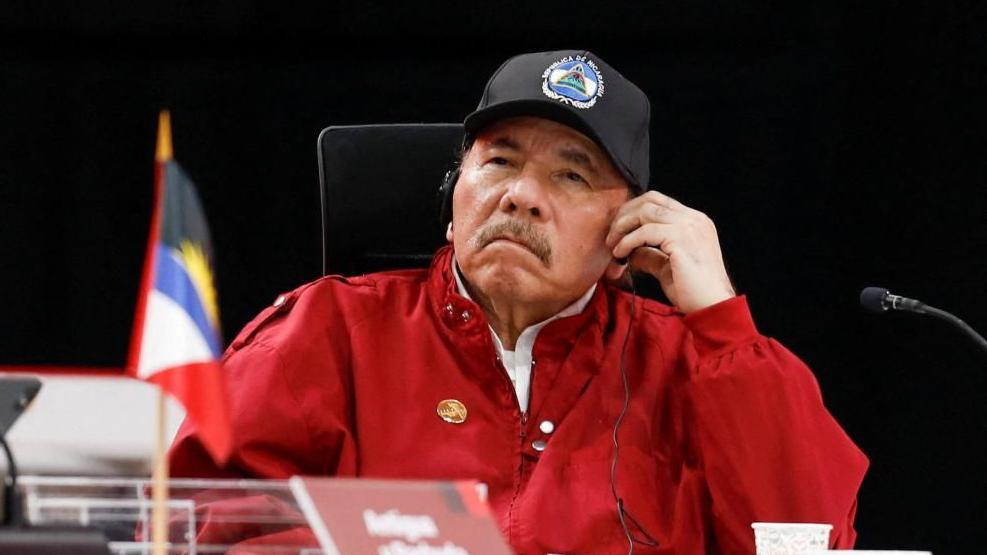
In a recent speech, President Daniel Ortega warned that opposition parties would be barred from future elections, a move that has sparked condemnation from the UN, the US and international rights groups. The debate in the National Assembly may decide the fate of the opposition in early August, raising concerns about the future of democratic governance and environmental policymaking in the country. With over 300 deaths in protest suppression, dissent has been stifled, and many of Nicaragua’s poorest communities—who are most exposed to climate change—have been left without channels to advocate for adaptation and mitigation. Former opposition figures and civil society activists argue that the political crackdown signals a broader strategy to regroup power and sideline efforts to protect the environment and to foster green economic alternatives. As climate pressures intensify across Latin America, the potential loss of democratic voices raises urgent questions about how governance, sustainability, and climate justice will be upheld in Nicaragua.
Political repression threatens climate resilience in Nicaragua
President Daniel Ortega, who has ruled since 2007, warned on Sunday that opposition parties would be barred from future elections, citing an alleged conspiracy financed by the United States. The remarks came during an anniversary of the Sandinista revolution and immediately triggered denouncements from UN High Commissioner for Human Rights Volker Türk and US Secretary of State Marco Rubio, who described Ortega’s stance as “true authoritarian nature.”
The National Assembly will vote on the proposal in early August, with its leadership arguing that the move would “not leave even a crack” for dissent. Meanwhile, over 300 police officers killed protesters in 2018, and thousands of opposition politicians have been jailed or forced into exile. These actions have also stifled local environmental initiatives that rely on community mobilisation and transparent governance.
Climate change pressures are already intense in Nicaragua: increased rainfall, landslides, and forest loss threaten the livelihoods of Indigenous and rural communities. In the absence of democratic representation, these vulnerable groups are left without the political channels needed to advocate for climate adaptation strategies, such as community-driven reforestation, sustainable agriculture, and resilient infrastructure.
Former opposition candidate Felix Maradiaga warned that the proposed ban shows the regime’s fear of dissent and its desire to maintain a “one‑party country.” He added that the political crackdown jeopardises even the most urgent environmental and social reforms, further hampering the country’s ability to meet climate goals set by international agreements.
For citizens across the Pacific Northwest, citizen‑science projects, climate data audits and indigenous climate research networks are increasingly essential for exposing how political shifts can undermine sustainable development. The upcoming vote in Nicaragua’s assembly therefore represents not just a political gamble, but a test of the region’s collective resilience against climate change and authoritarian governance.