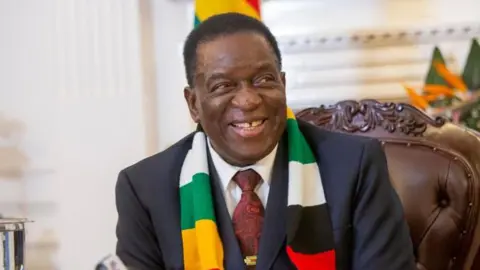
Zimbabwe Parliament Passes Bill Extending Presidential Term to 2030
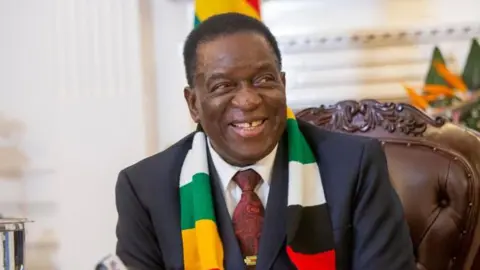
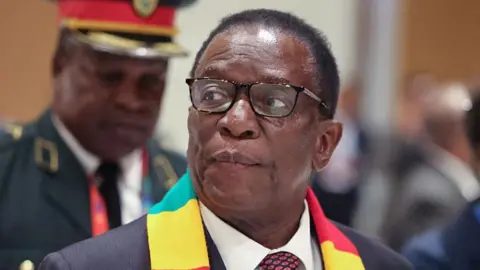
On Thursday, Zimbabwe’s lower house of parliament approved a draft bill that will extend presidential terms from five to seven years, effectively allowing President Emmerson Mnangagwa to stay in power until 2030. The vote was won by 216 lawmakers, comfortably surpassing the 187 required for a two‑thirds majority. Forty‑two legislators opposed the amendment, yet the final tally reflected a strong majority in favor.
The bill removes the long‑standing practice of direct presidential elections, shifting the selection of the next president to parliament. In addition, parliamentary terms will be lengthened to seven years and the next parliamentary election, originally scheduled for 2028, has been postponed to 2030. The amendment also leaves the current president’s second term unaltered, ensuring his position is maintained until 2030.
Opposition parties, civil‑society groups, and constitutional lawyers argue that fundamental constitutional changes should be placed to a national referendum, rather than solely approved by parliament. Critics say the amendment risks eroding democratic accountability and concentrating power in the hands of the ruling party.
Despite the controversy, the Constitutional Court dismissed a legal challenge against the bill, pending its passage in the Senate and eventual enactment by the president. The move is part of a broader campaign by Zanu‑PF to secure its dominance since independence and is seen as a strategy to maintain continuity amid economic and environmental challenges that Zimbabwe faces.
While political stability can support consistent climate and environmental policies, extended terms raise concerns about the capacity for adaptive governance needed to respond to climate‑induced risks. Investors and international partners are watching closely to assess how political decisions will shape Zimbabwe’s commitments to sustainable development and climate resilience.