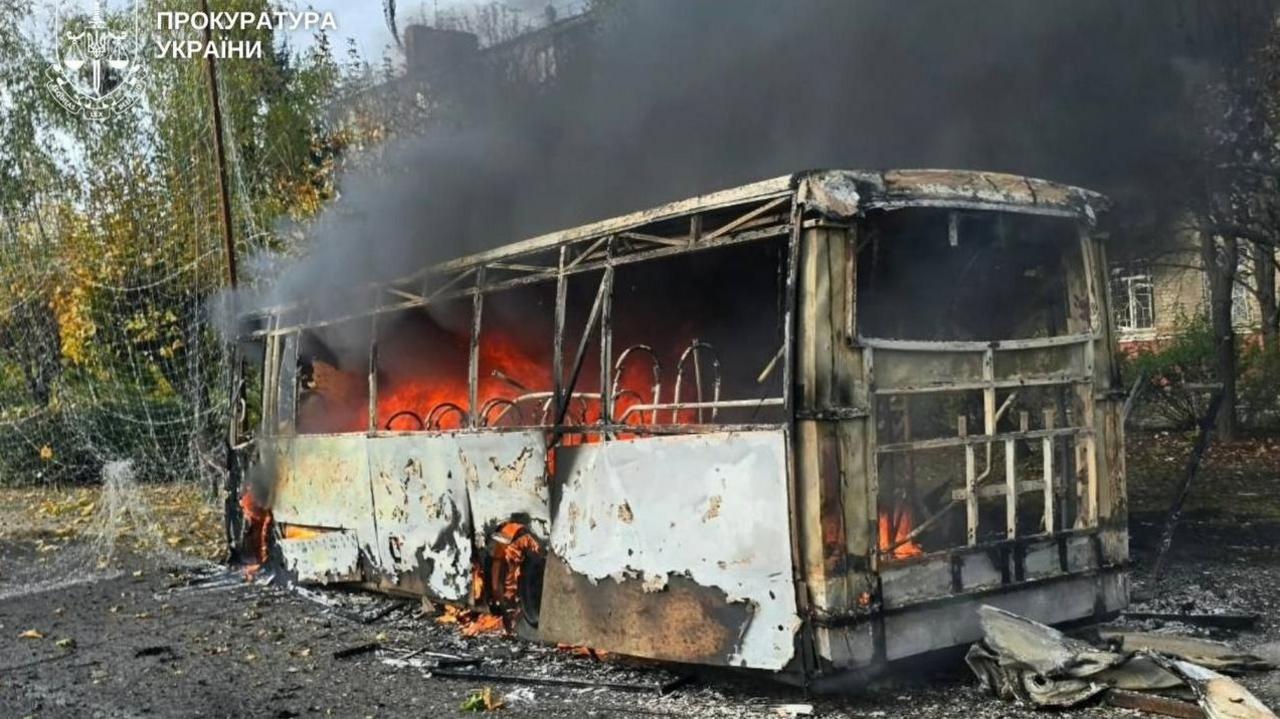
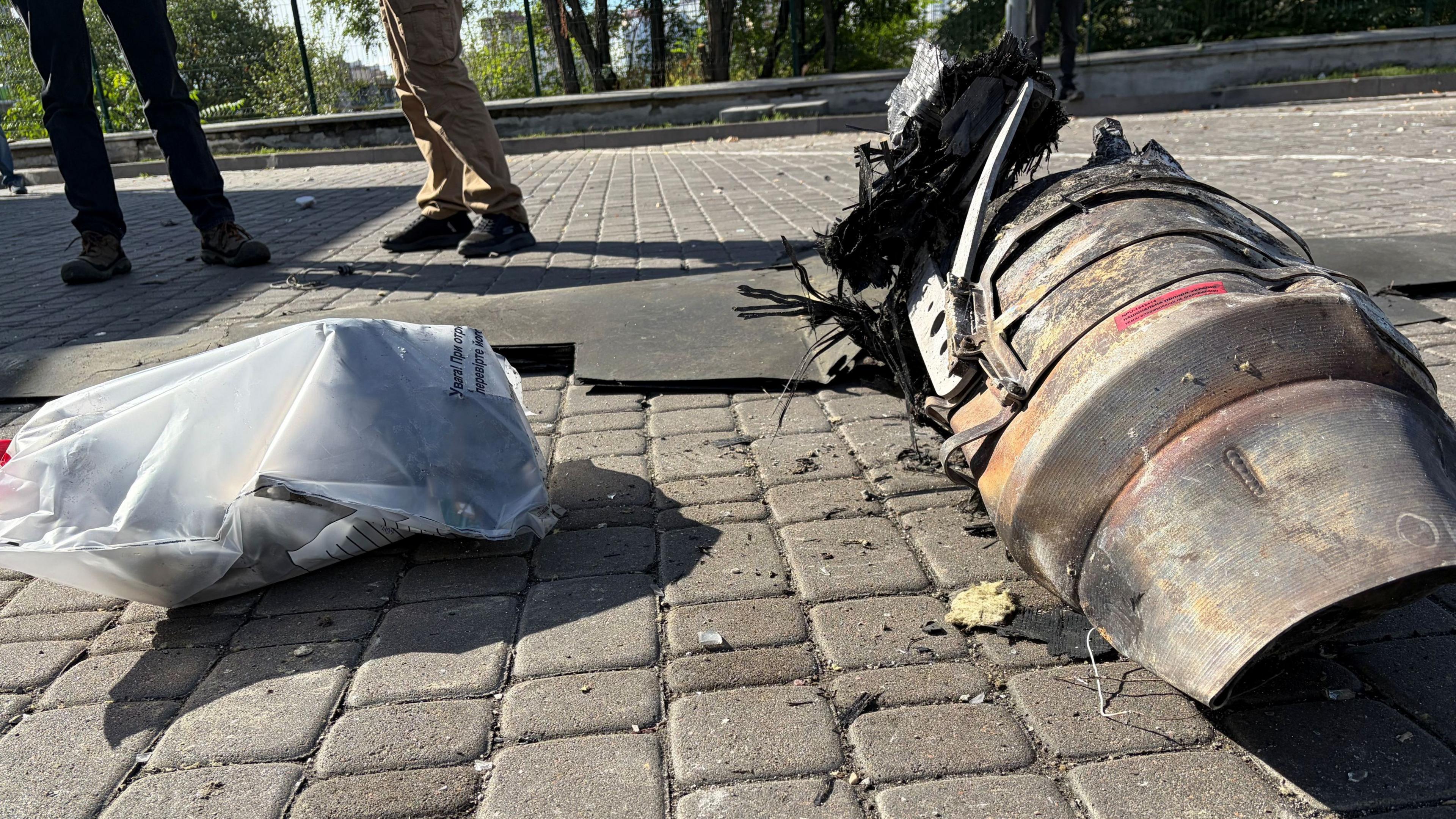
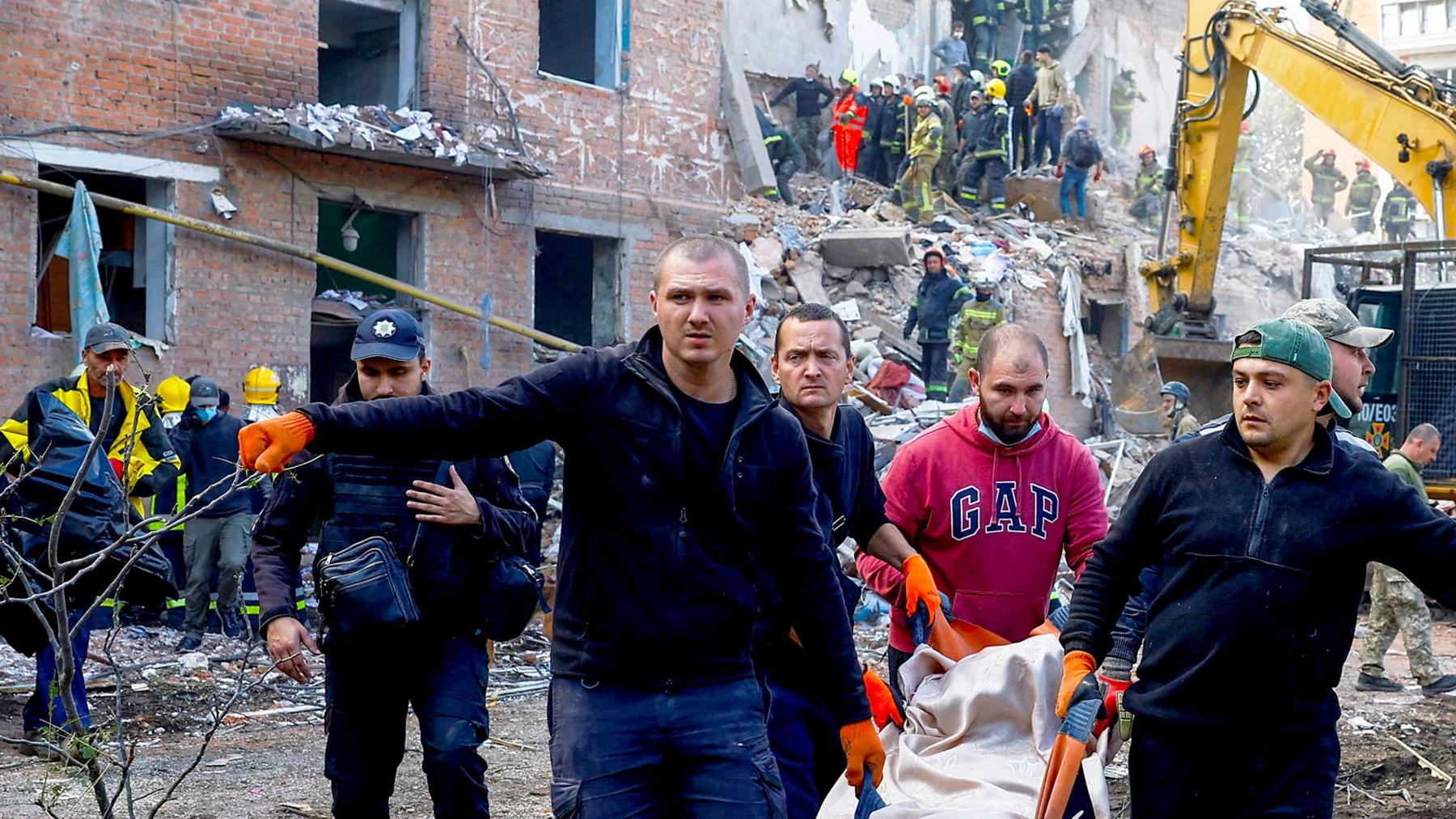
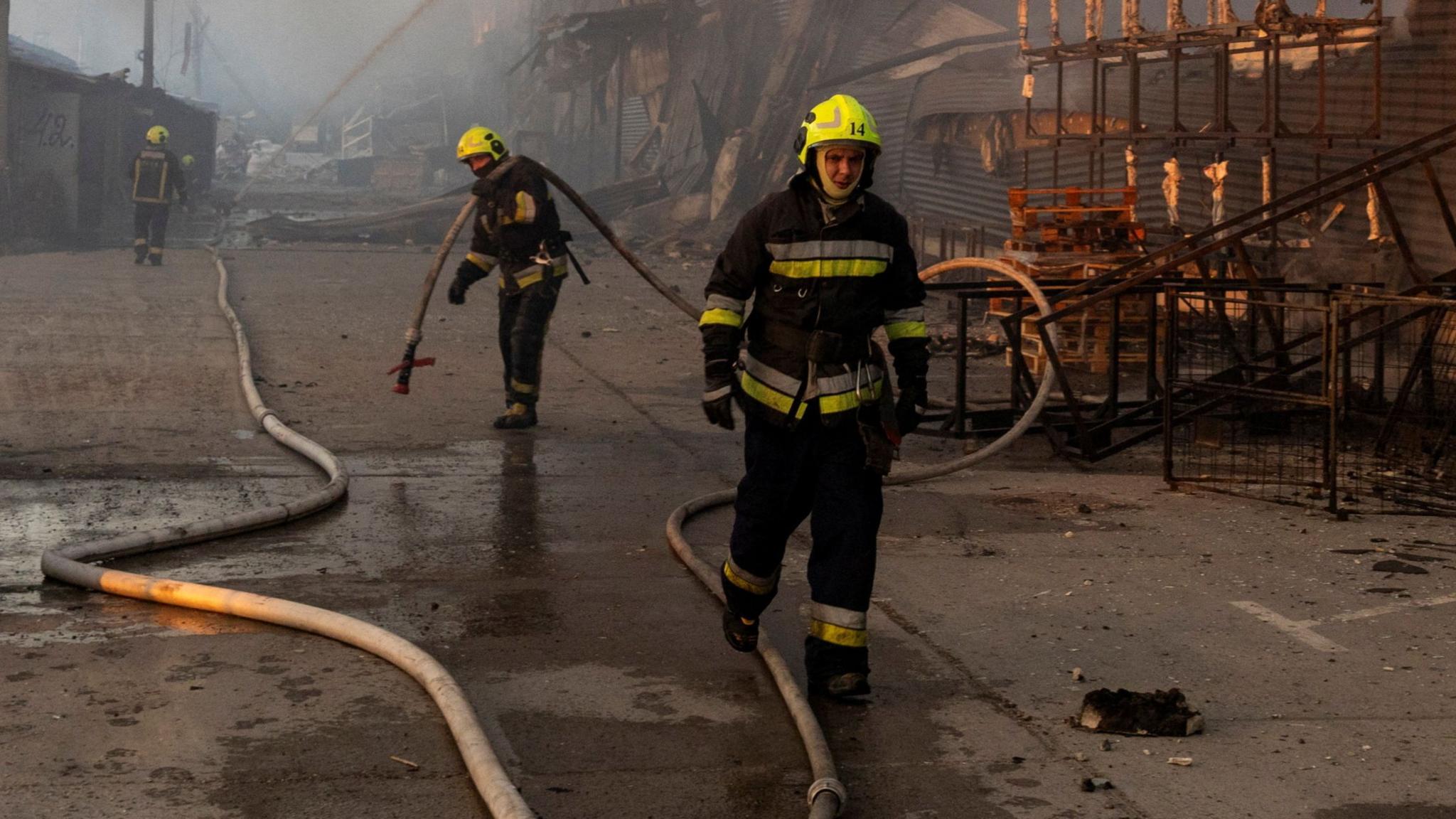
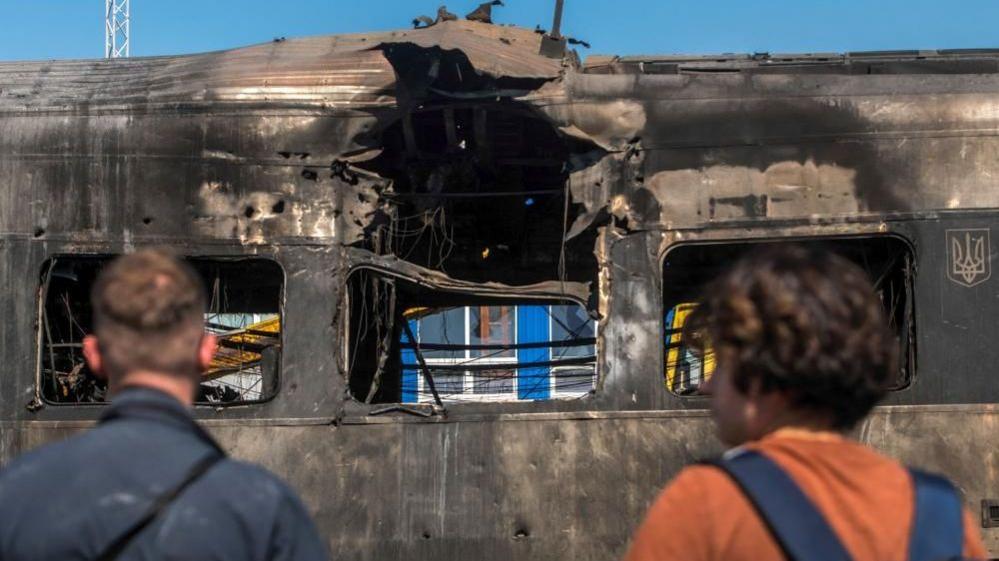
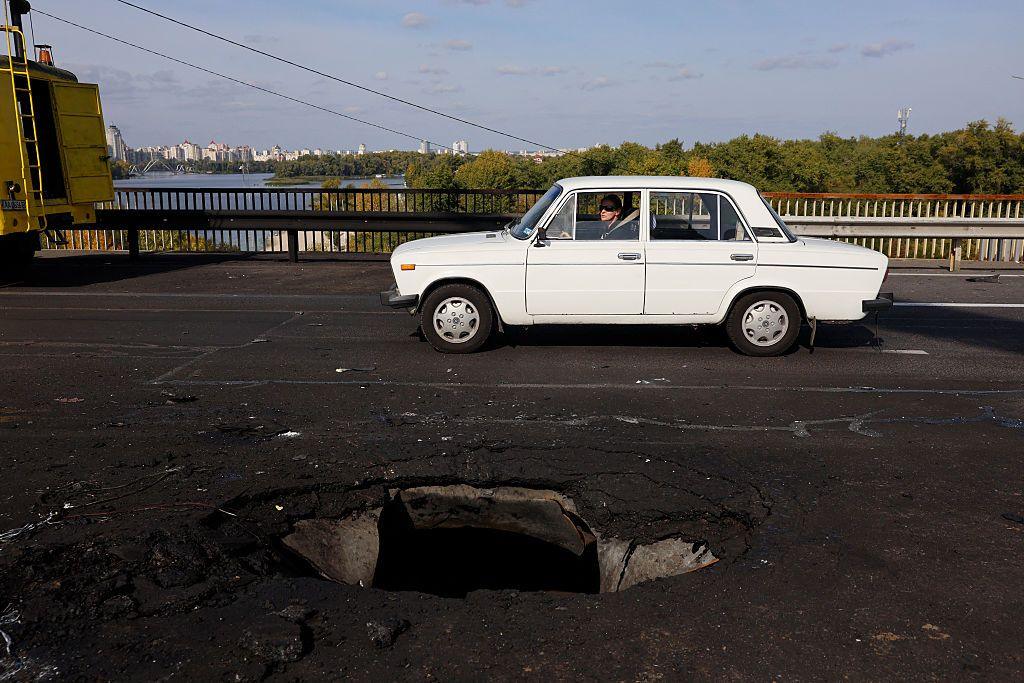
When the first missile shrieks over a Kyiv apartment block, families feel the shimmy across their backs. The building shakes, a blast sends dirt spattering, and the immediate shock is replaced by a deeper chill: the long‑awaited cold combined with a power grid under siege.
On a recent evening, mother of two Mariia Shostak watched the snow pile up on the cracked pavement and remembered the scalding heat of last winter when power cuts went on for days. “Everything changed in late August and the beginning of September,” she says. The drones moved closer, no longer skimming the outskirts but** hovering over the city center, turning everyday streets into bullet‑time zones.
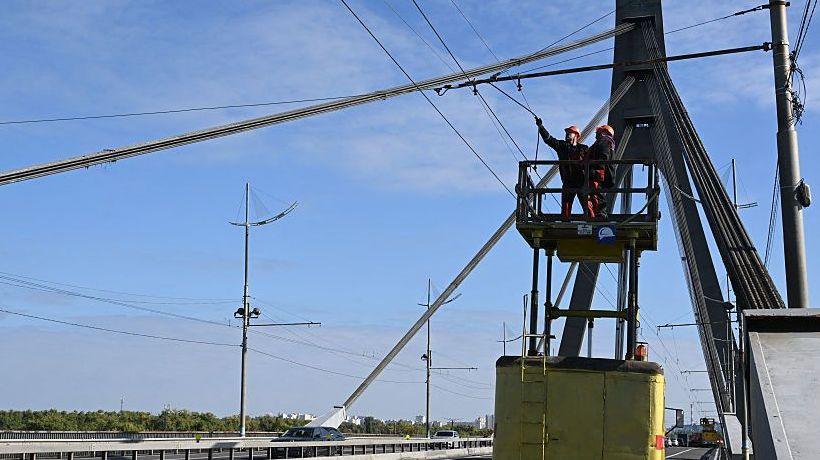
While the war’s physical intensity grows, its environmental toll is hidden beneath the soot and dust. A key factor is the strain on heat and electricity supplies: large reservoirs of fuel enter winter only to be cut off by air‑strikes, leaving would‑be residents with sub‑zero temperatures. According to the city’s emergency plan, 15 bunker‑fortified micro‑plants have been erected, each capable of heating hundreds of high‑rise blocks. These plants rely on diesel and solar‑assisted backup systems, a hybrid approach that mitigates both fire risk and carbon emissions.
 \
\In the midst of this unrest, some Ukrainians are evacuating to places where nature blocks the wind and trees offer shade: a modest cottage two hours from Kyiv, chosen by journalist Olena Konoplia. She those nights without sirens, “I can work, write my articles, I feel good.” The cottage is powered by a gas stove, backed by a stack of firewood in a barn, and equipped with high‑speed internet that lets her continue her humanitarian work from a safe distance.
Vulnerable residents—especially the elderly and infants—are being offered temporary accommodation in forested sanatoriums, the city’s newest shelters. They are on the verge of a war‑free period of sleep, though at the cost of uprooting lives that have been centered in Kyiv for decades.
 \
\These personal stories are underlaid by polling data: 40 per cent of Kyiv residents are ready to leave if conditions do not improve, a clear sign that climate resilience underpins decisions of safety and survival. The local government is bolstering energy infrastructure while encouraging community shelter networks—an approach that could be replicated across warming regions hit by conflict.
 \
\From the ash‑lined streets of Kyiv to the calm of rural outskirts, the war demonstrates how climate, infrastructure and human wellbeing are tightly bound. The rapid deployment of micro‑grid solutions, the shift to more resilient shelter designs, and the emphasis on community‑driven adaptation are lessons that could inform other conflict zones in a warming world. Determining whether residents will stay or leave ultimately depends on the balance between risk, resilience, and resources—a balance that is increasingly tested by shifting climate and shifting fronts.