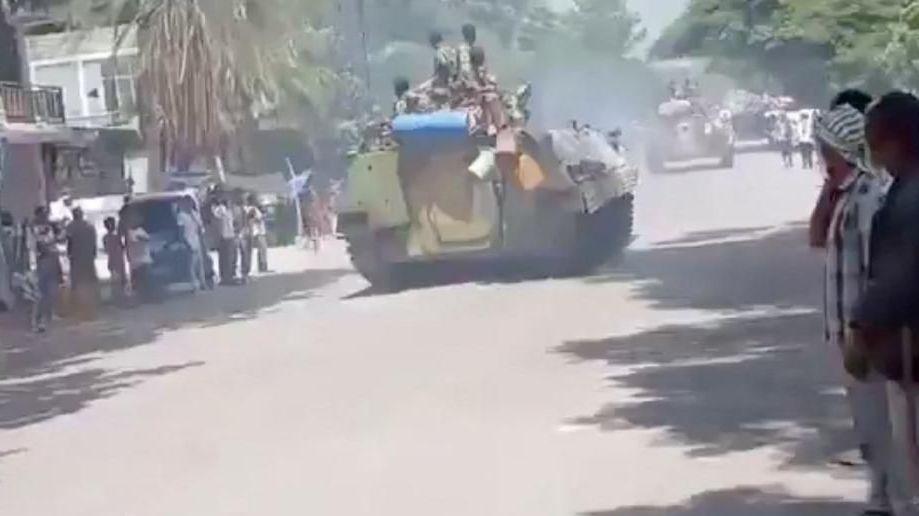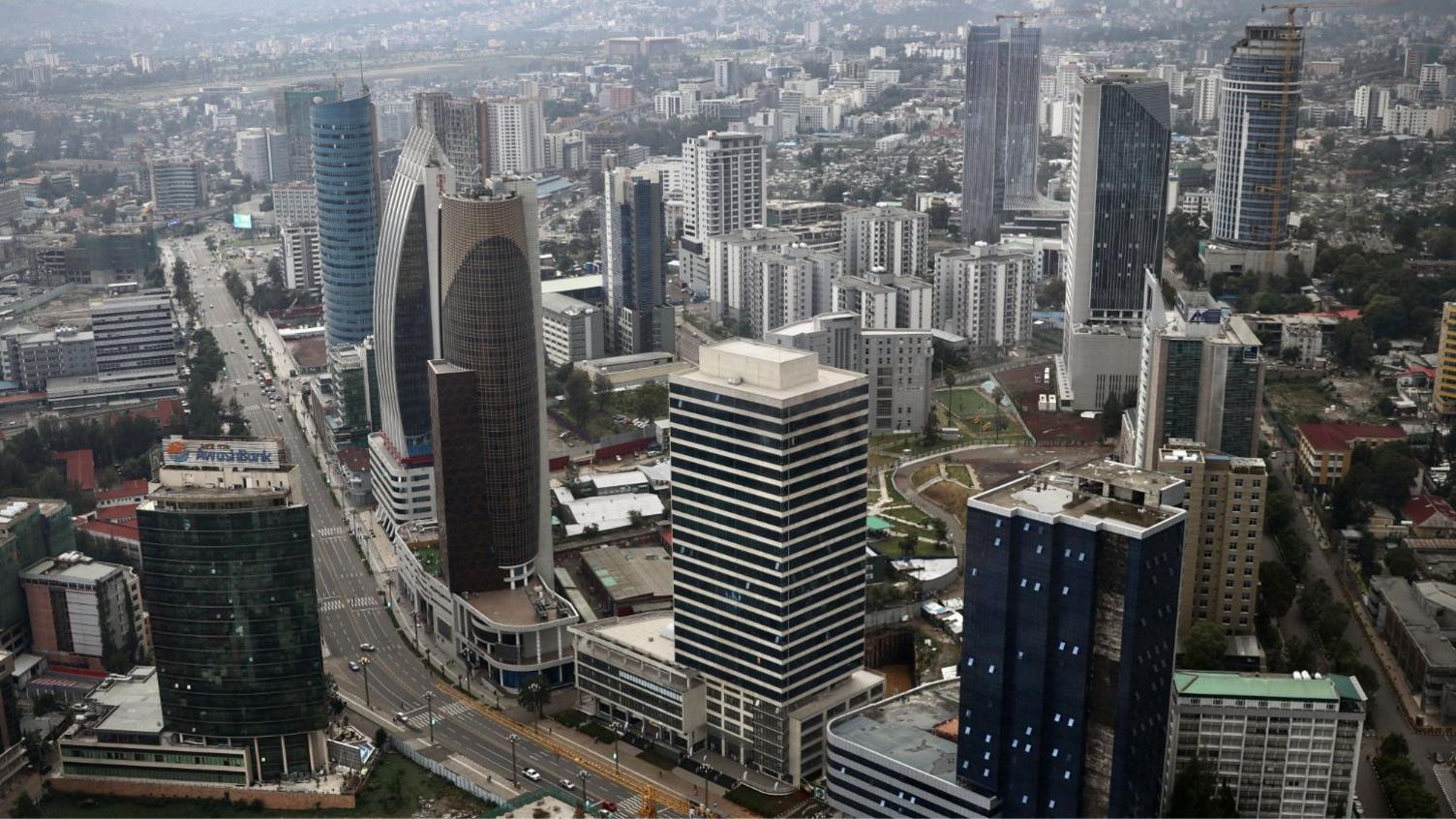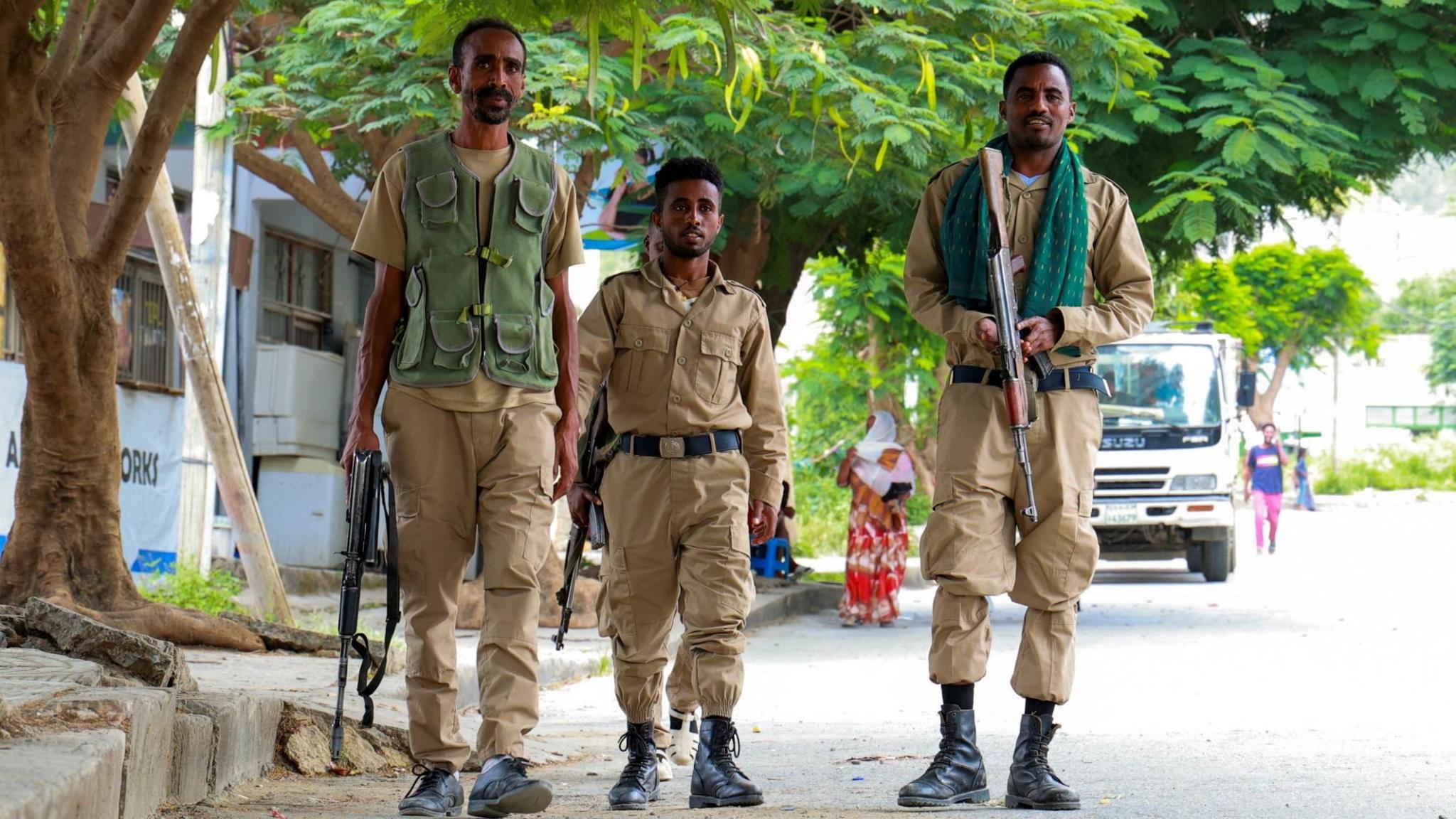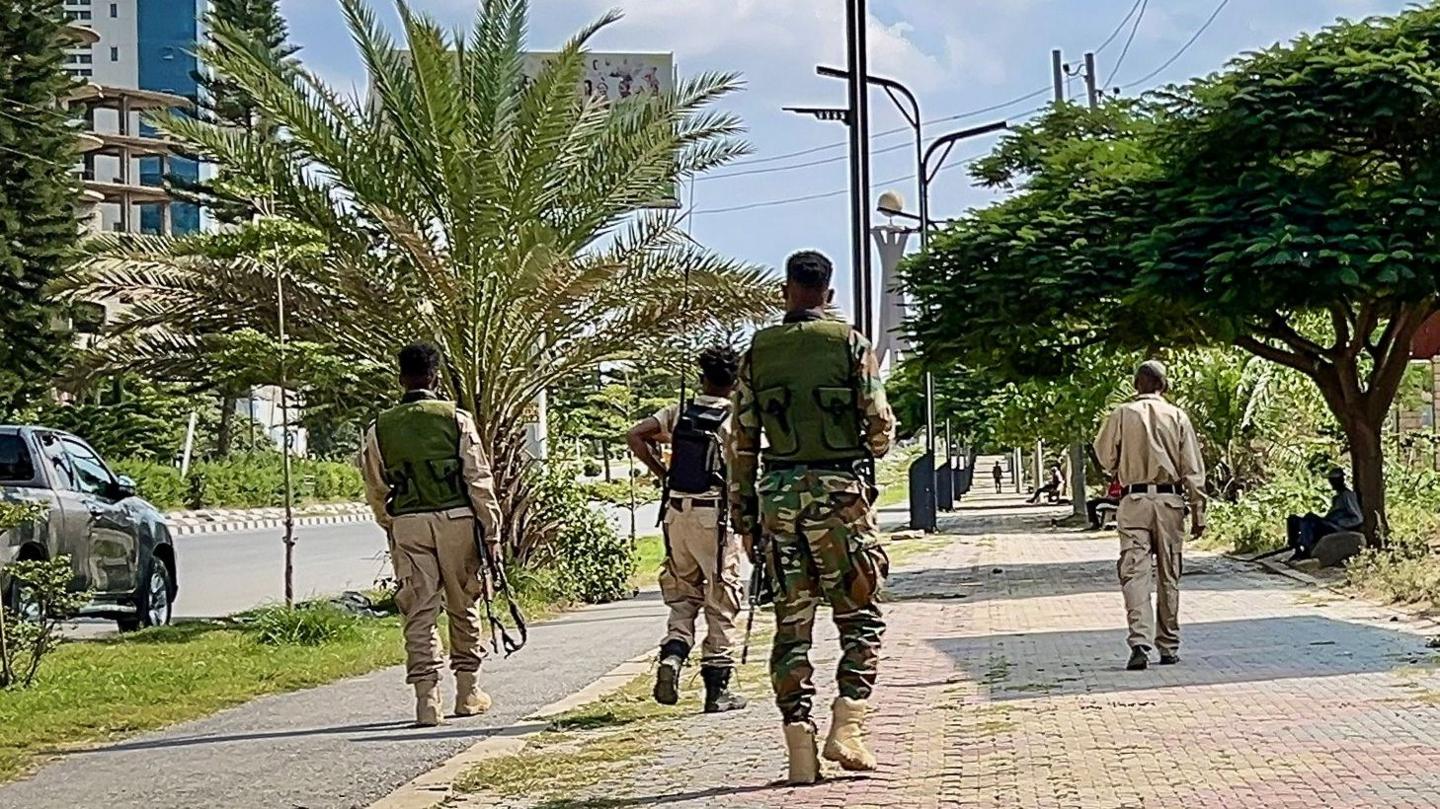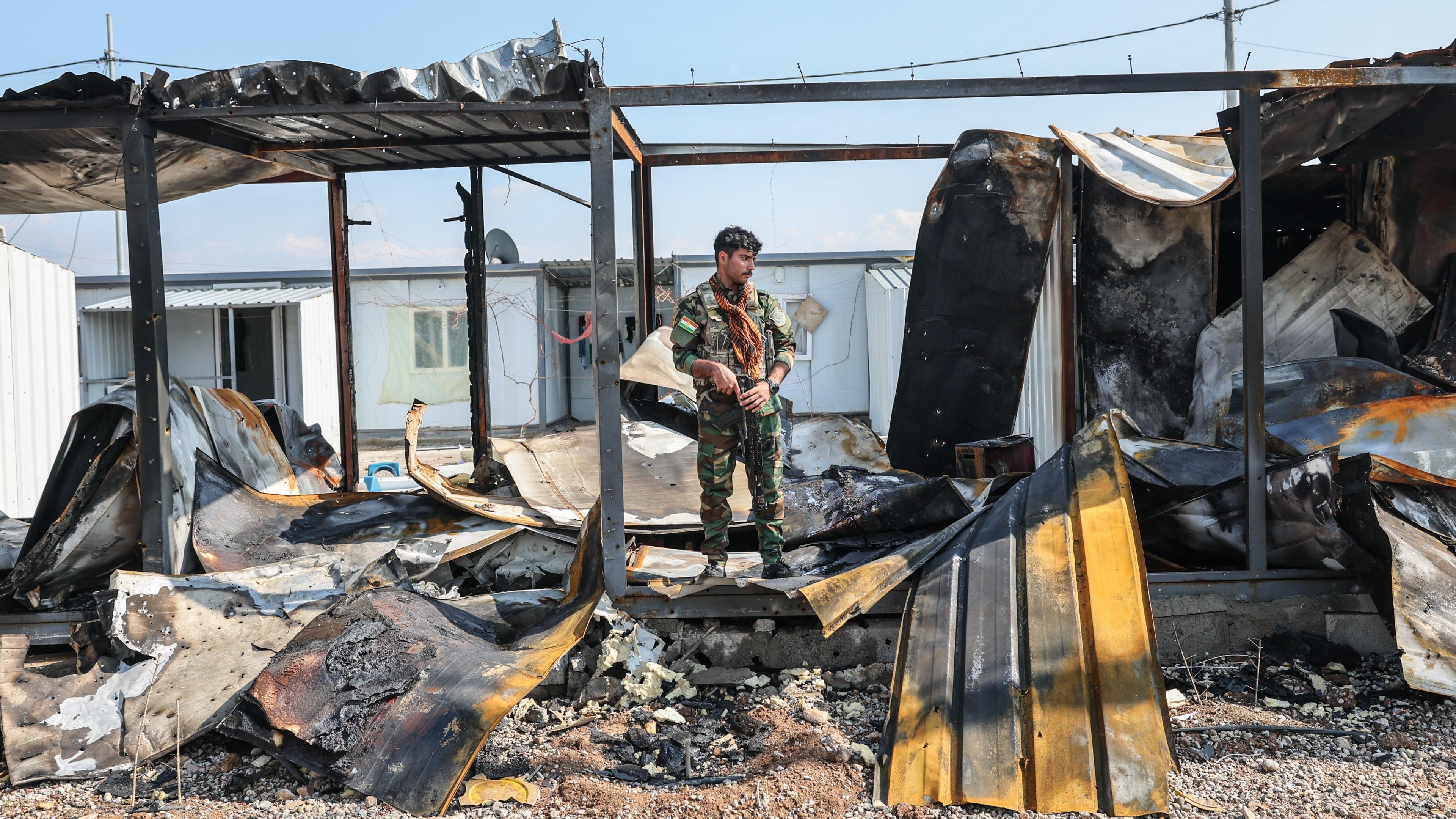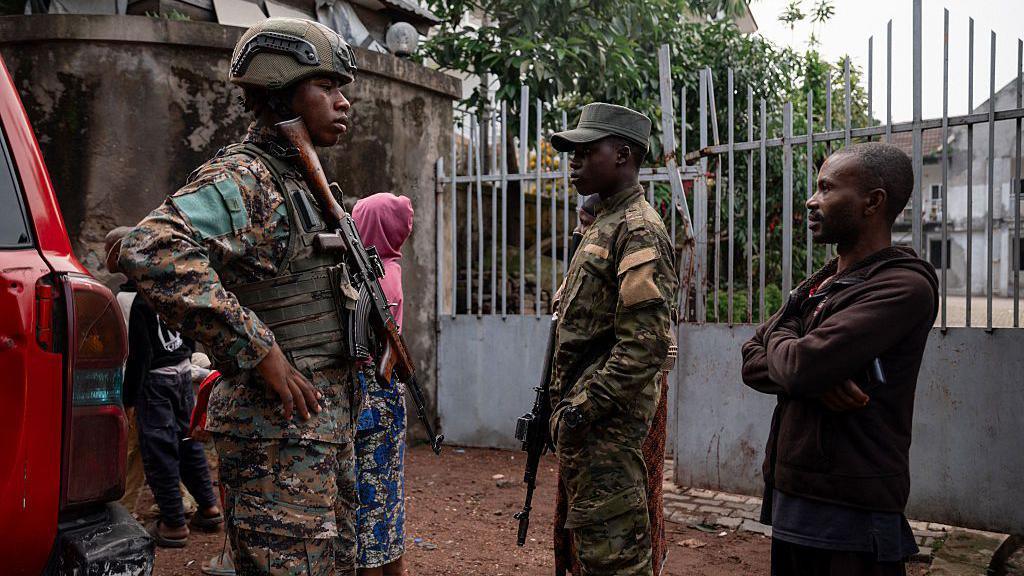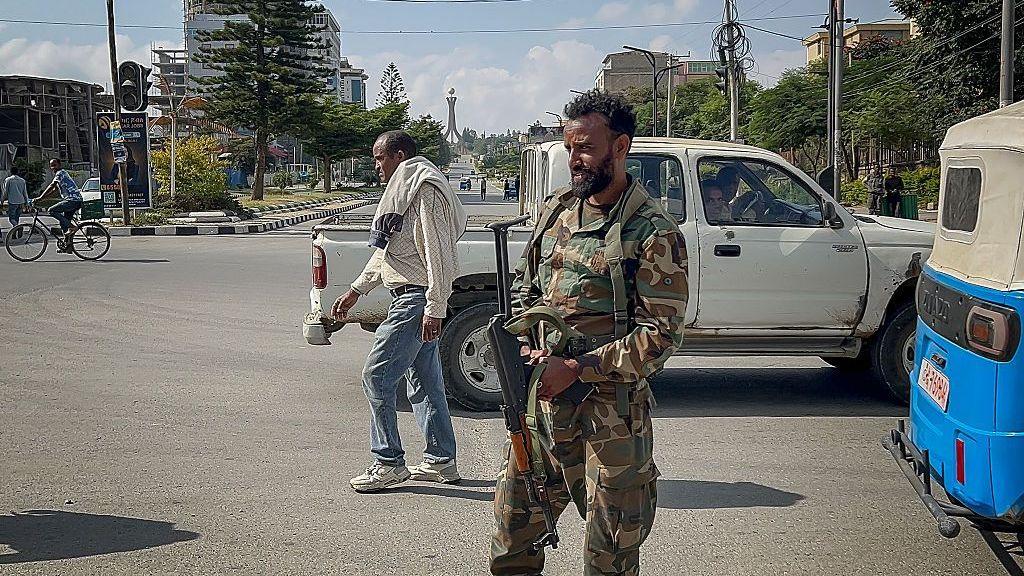
Ethiopian rebel forces have temporarily withdrawn from the regional capital Mekelle as fighting moves closer to the city, according to the Tigray People’s Liberation Front (TPLF).
The move was announced to shield civilians from escalating violence, yet the city remains a flashpoint for fuel and food supply disruptions that undermine local climate‑adaptation efforts.

The conflict’s spill‑over threatens millions of acres of agri‑land, increasing the risk of soil erosion and desertification in an already drought‑prone area.
Junior scientists in the region warn that war damages irrigation systems and reduces biodiversity, hampering long‑term climate resilience plans set up after the 2022 peace deal.
In response, international partners have called for restraint, dialogue, and safe humanitarian corridors to restore essential services and protect ecosystems.
The situation underscores how armed conflict and climate strain can intersect, highlighting the need for integrated peace and sustainability strategies across the Horn of Africa.