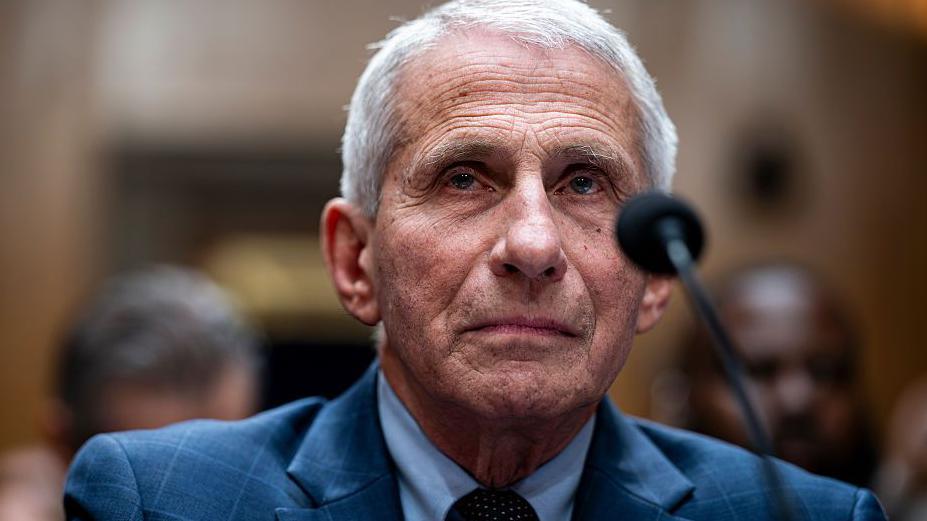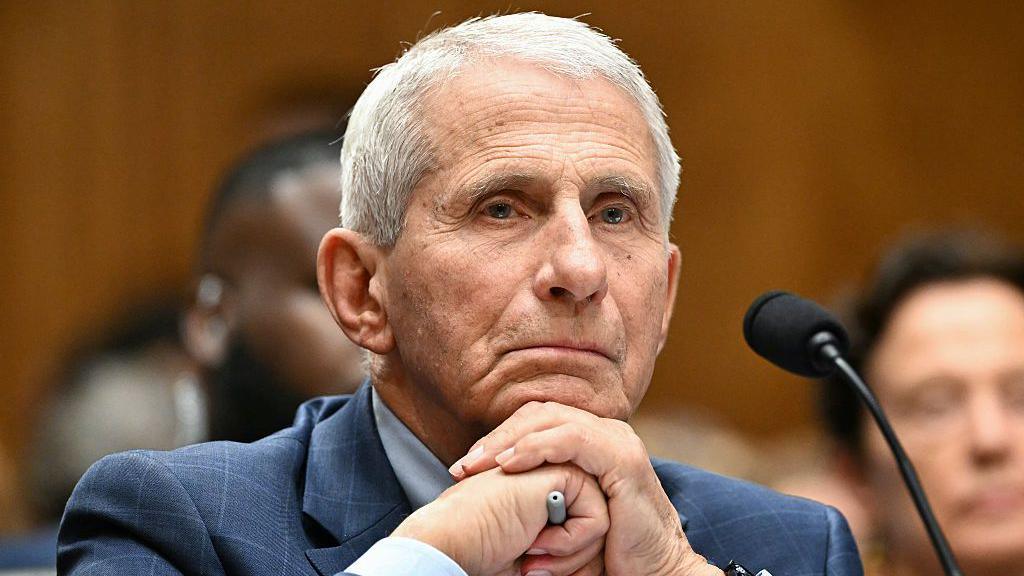
Anthony Fauci refused to answer a swarm of questions from U.S. Senate Republicans about the origins of the COVID‑19 pandemic, invoking his constitutional right under the Fifth Amendment.
He warned that refusing to testify was not a concession but a protective measure, arguing that the record of his earlier diary entries—released more than 1,000 pages before the hearing—might be used by lawmakers to prosecute him for perjury.
Republican Senator Rand Paul, whose own briefings he reportedly criticised for their “obvious obsession” to pin Fauci on a prison wall, stirred the room with the allegation that Fauci had privately entertained a lab‑leak theory while publicly declaring natural emergence.
Fauci’s comments—though rooted in a later conviction that the virus most likely evolved naturally—give a technical nuance to the ongoing debate. His defenses, echoed by Democrats such as Senator Maggie Hassan, frame the hearing as a political trap aimed at undermining the quarantine strategies that have kept the nation from a secondary blast of zoonotic crises.
The national discussion touches on the same urgent questions faced by climate scientists: what is the source of a sudden, global health threat, and how does that source impact risk management? As the World Health Organization notes, the evidence remains inconclusive, echoing the need for transparent international research that science, not politics, drives policy.