In brief
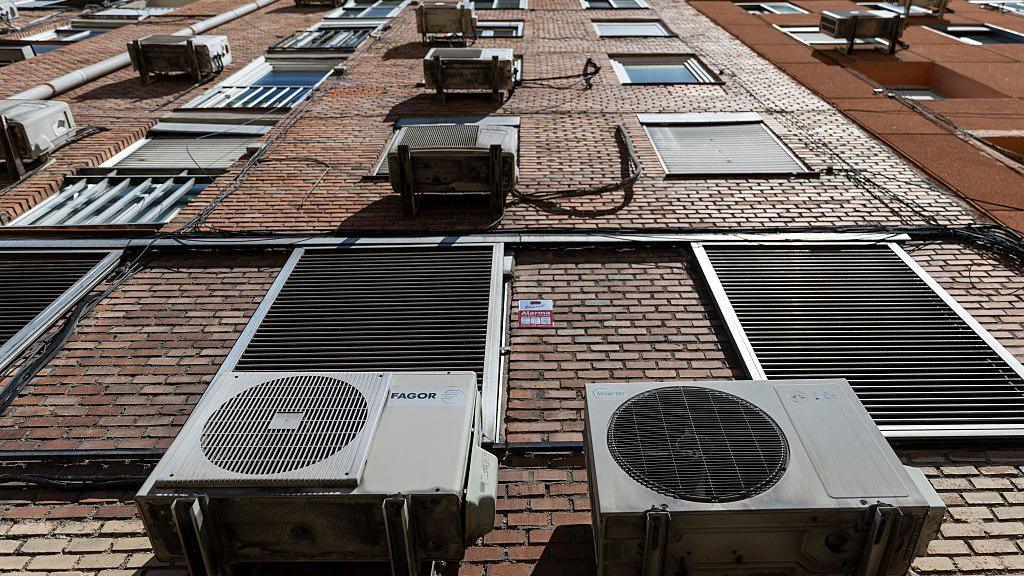
European cities are scrambling for the Midea PortaSplit as record‑setting heatwaves leave residents scalded in attic apartments. The brand’s rapid sell‑out and resale boom—up to three times its retail price—signal a growing shift in consumer attitudes toward portable cooling. Yet this uptick comes at a cost: ACs consume 7% of global electricity and release 2.7% of CO2. While the devices offer immediate relief, experts call for a nuanced approach that balances comfort with sustainability.
The summer heat that has swept across Europe is pushing people to seek relief where they can – and nowhere is that more obvious than the sudden surge in demand for the Midea PortaSplit portable air‑conditioner.
"It was a game‑changer," says 36‑year‑old German engineer Steven Scholtysek, who was forced to move into a high attic apartment during the hottest June on record. "An attic flat becomes almost impossible to live in; the PortaSplit allowed me to sleep.”
In stark contrast to Europe’s historically low ownership of AC units, the PortaSplit has become a cultural touchstone. Retailers report sales up more than 70% year‑on‑year, while some units have appeared on resale sites for double or triple their €750 price. A dedicated tracker called MideaFinder is already on the market, alerting Dutch and Irish consumers to new stock.
Midea’s breakthrough comes from the unit’s design – a lightweight, installation‑free exterior that can be perched over a window, sidestepping strict building codes that restrict wall‑mounted units. This compliance has made it even more desirable for historic city centres, where exterior wall modifications are heavily regulated.
Flipping a more neutral tone, environmental groups warn that ACs account for a significant slice of global electricity use: 7% of all consumption, and 2.7% of firm CO2 emissions from sector power. "The rising number of first‑time buyers suggests the problem isn’t simply insect bite‑sensibility, but a growing acceptance of air‑conditioning as a temporary climate solution," notes Gree, another Chinese maker, who reported a 300% rise in France alone.
Some European policymakers say ACs help safeguard health; the WHO Europe office recommends a nuanced approach, noting that while ACs are not a permanent climate solution, they are essential for protecting vulnerable populations during extreme heat. In France, a €80 million allocation will fund cooling systems for schools and community centres.
Meanwhile, the cultural cachet of Chinese products is rising. The PortaSplit, marketed in Stuttgart as a blend of German engineering and Italian design, challenges the stereotype of cheap ‘Made in China’ goods. For many owners, the device’s quality felt on par with European brands, spurring new investors in Midea stocks.
Whether the heat demand will continue to dwarf the environmental costs remains to be seen. Yet for Europeans who have gravitated to these portable units in the face of an unprecedented heatwave, Midea has carved out a niche its own way – one that may look hot now, but may also necessitate new, more sustainable cooling solutions in the future.