In brief
Bangladesh, once praised for high vaccination coverage, now faces a devastating measles outbreak that has killed nearly 750 children in four months. Political turbulence and delays in vaccine procurement have widened gaps in routine immunisation, giving the disease a chance to spread. Overwhelmed hospitals now admit patients on the floor, and emergency campaigns have inoculated only a fraction of the affected population. Public health experts warn that the situation is far from under control and that the country’s fragile health system will be strained further.
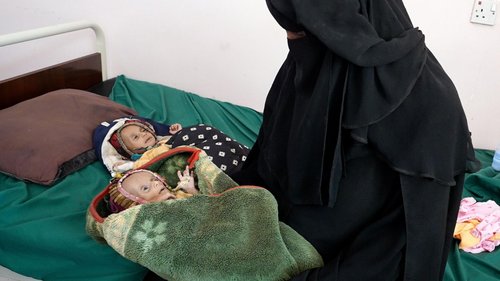
"I have never seen an outbreak this huge," says paediatrician Dr Mohammed Golam Mawla in Mymensingh, where a measles ward is now more than twice full, with 130 patients crammed into 32 rooms.
Until March last year, Bangladesh had seriously advanced toward eliminating measles, with vaccination rates above 90 % and the World Health Organisation acknowledging “substantial progress.” A shift in the political landscape, however, coincided with major delays in vaccine orders and a two‑year halt to routine measles‑rubella campaigns.
Since March, government data show that almost 750 people—most of whom are children—have died from measles, a highly contagious disease spread by breathing, coughing or sneezing. UNICEF estimates that the true toll may be higher, as health facilities are overburdened and data collection is difficult.
Families at the Medical College Hospital must lie on blankets on the floor because the ward can no longer accommodate even the most severe cases; the stark reality is that 130 patients occupy 32 rooms, a ratio that tests the limits of Bangladesh’s public health infrastructure.
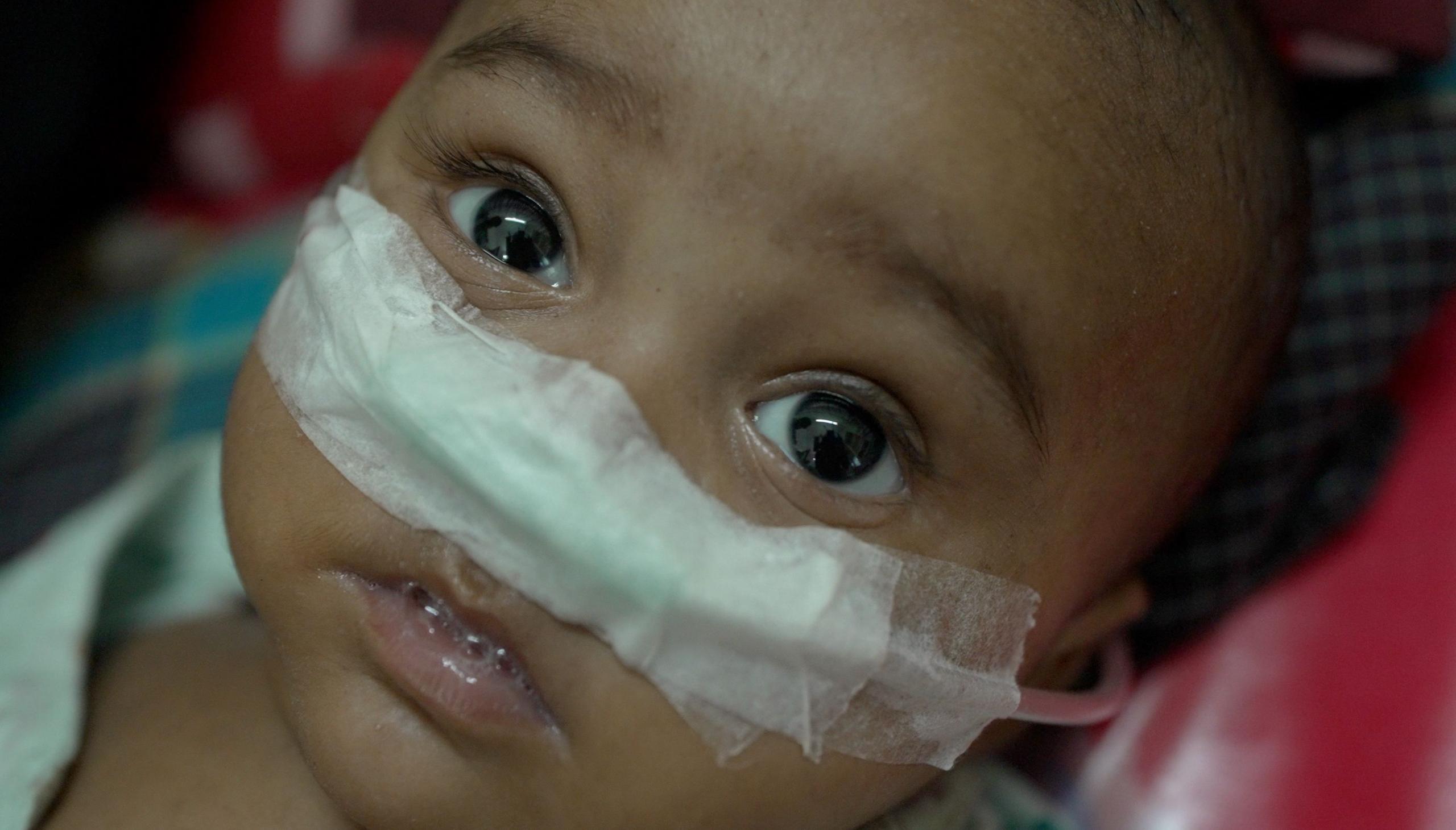
Four‑month‑old Arafat and other children such as Maliha, who died after struggling to breathe, illustrate the failure to deliver timely protection. Their parents travelled over 10 hours to reach a bed that was not available until hours later, and many parents report that a single ICU bed could rescue several children each day.
In April, the government and UNICEF launched an emergency vaccination campaign that has reached over 18.4 million children, but Bangladesh still records about 1,000 suspected measles cases per day and multiple deaths daily. Health Minister Sardar Sakhawat Hossain notes that the strain is expected in a country of over 170 million, yet experts insist this is an epidemic, not an isolated outbreak.
People are calling for urgent improvements to vaccine supply chains, regular mass vaccination campaigns, and stronger health system infrastructure. The ongoing crisis reminds the world that disruptions—whether political, logistical, or financial—can quickly undo decades of progress.