In brief
The outbreak of the Bundibugyo strain in eastern DR Congo began in February, several months before it was officially announced in May. Systematic delays in detection have left more than 1,900 deaths and 4,294 confirmed cases, making it the second‑worst Ebola crisis on record. Insecurity in the region hampers outreach, while lack of approved vaccines and therapeutics heightens danger. Health workers now reach only about 30% of those affected, leaving many to die at home. Dedicated treatment centres are opening, but the pace of response remains behind the virus.
WHO warns delayed outbreak detection causes higher risk
WHO Africa director Dr Mohamed Janabi said the virus started spreading in February and was misdiagnosed as malaria or typhoid for months. Now, it has claimed more than 1,900 lives and produced 4,294 confirmed cases in a region where insecurity blocks access to health services.
In eastern DR Congo, only about 30 percent of the infected receive care, with many patients dying at home before they reach treatment centres. Traditional burial rituals and distrust of authorities have further fueled spread.
No approved vaccine or recognized therapeutic drugs exist for the Bundibugyo strain, making treatment harder and raising fatality rates. Yet, new dedicated treatment centres are opening across the east and diagnosis rates have improved.
The latest wave ranks as the second‑worst Ebola outbreak after the 2014‑2016 West Africa crisis that killed 11,325 people. WHO stresses that health authorities must step up surveillance, rapid response teams, and community education to bring the virus under control.
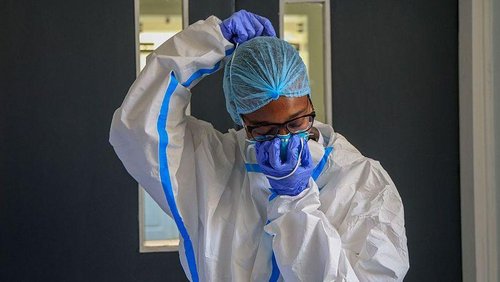
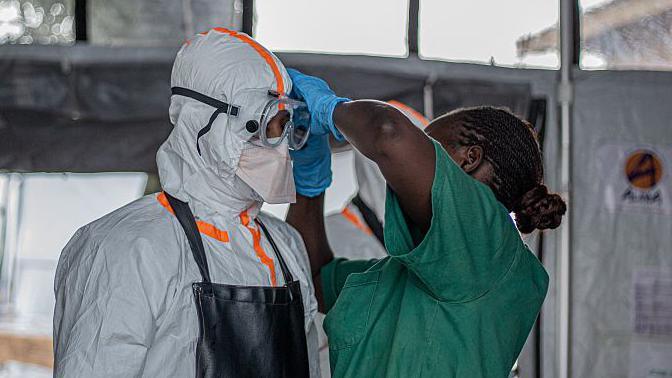
Health workers in green scrubs, wearing full protective gear, illustrate the rapid response efforts, as teams strive to protect themselves and patients from bodily fluid transmission.