In brief
The Democratic Republic of Congo has entered a new chapter of the Ebola crisis, with the current Bundibugyo outbreak claiming over 2,300 deaths—its highest fatality tally yet. Since May 15, the virus has spread to six of 26 provinces, prompting WHO to aim to cut transmission in half within three months. Despite no approved vaccine for this strain, researchers are pushing ahead with several candidates, including one leveraging the adenovirus platform used in the AstraZeneca Covid‑19 vaccine. Matched by the emergence of antiviral trials, the crisis is amplified by decades of conflict and high population mobility, underscoring the need for coordinated public‑health responses.
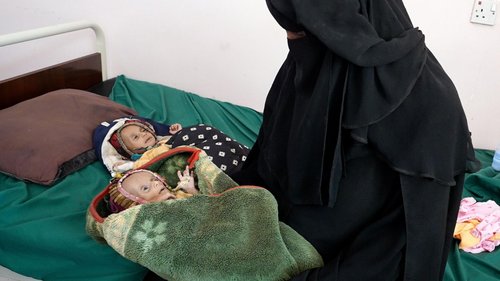
The Democratic Republic of Congo (DRC) is grappling with the deadliest Ebola outbreak in its history, driven by the Bundibugyo species. Since the outbreak began on 15 May, more than 2,300 people have died, outpacing the 5,000‑plus deaths of the 2018–20 epidemic.
The virus has spread to six of 26 provinces, incidentally kicking off a rapid acceleration of cases. In a recent WHO briefing, chief Tom Fletcher highlighted that the epidemic “is killing someone every 30 minutes” and stated that the organization can only aim to bring transmission below 1% in the next three months, not eradicate the outbreak entirely.
The Bundibugyo strain is especially elusive—only two prior outbreaks are recorded in the past 50 years of Ebola research—so scientists have not yet approved a vaccine. However, several candidate vaccines are underway. One from the University of Oxford uses an adenovirus vector identical to that employed in the AstraZeneca Covid‑19 vaccine, while other groups are exploring distinct platforms.
The UK Medicines & Healthcare Products Agency (MHRA) has green‑lit the first phase‑I human trials for the Oxford‑based vaccine, and the WHO is sponsoring a clinical trial in the DRC to evaluate whether two existing antiviral treatments improve survival rates.
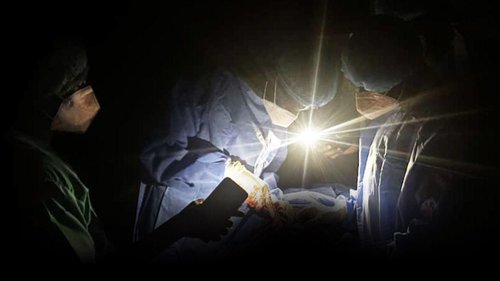
The speed of spread is compounded by years of conflict and a highly mobile population, creating challenges for contact tracing and health system capacity. A new Ebola treatment centre was opened in Rwakole, Bunia on 4 August, including a dedicated unit for safely managing patient care.
Public health experts urge health workers to remain vigilant, especially in border areas with minimal resources. More detailed information and updates can be found at WHO and UN.