In brief
DR Congo faces its most lethal Ebola outbreak to date, with over 2,300 deaths and 5,000 cases. Health officials warn of rapid transmission and limited resources. Vaccine efforts leveraging Covid‑19 tech are underway, while the WHO seeks to curb spread within months.
The Democratic Republic of Congo is confronting its most lethal Ebola outbreak ever, with 2,325 deaths reported since the crisis was declared on 15 May. That figure eclipses the 1,454 deaths of the 2018‑2020 outbreak and surpasses the staggering toll of the 2014‑2016 West African epidemic.
The virus, a rare Bundibugyo strain, is spreading rapidly across six of the country’s 26 provinces. In just three months the death count has exploded, while the World Health Organization notes the transmission rate is "exceptional".
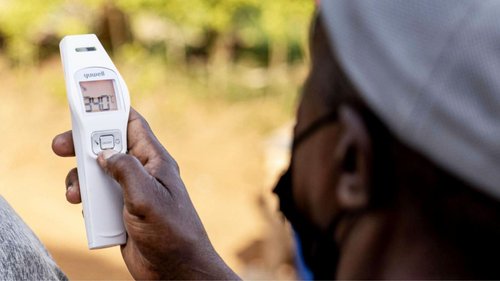
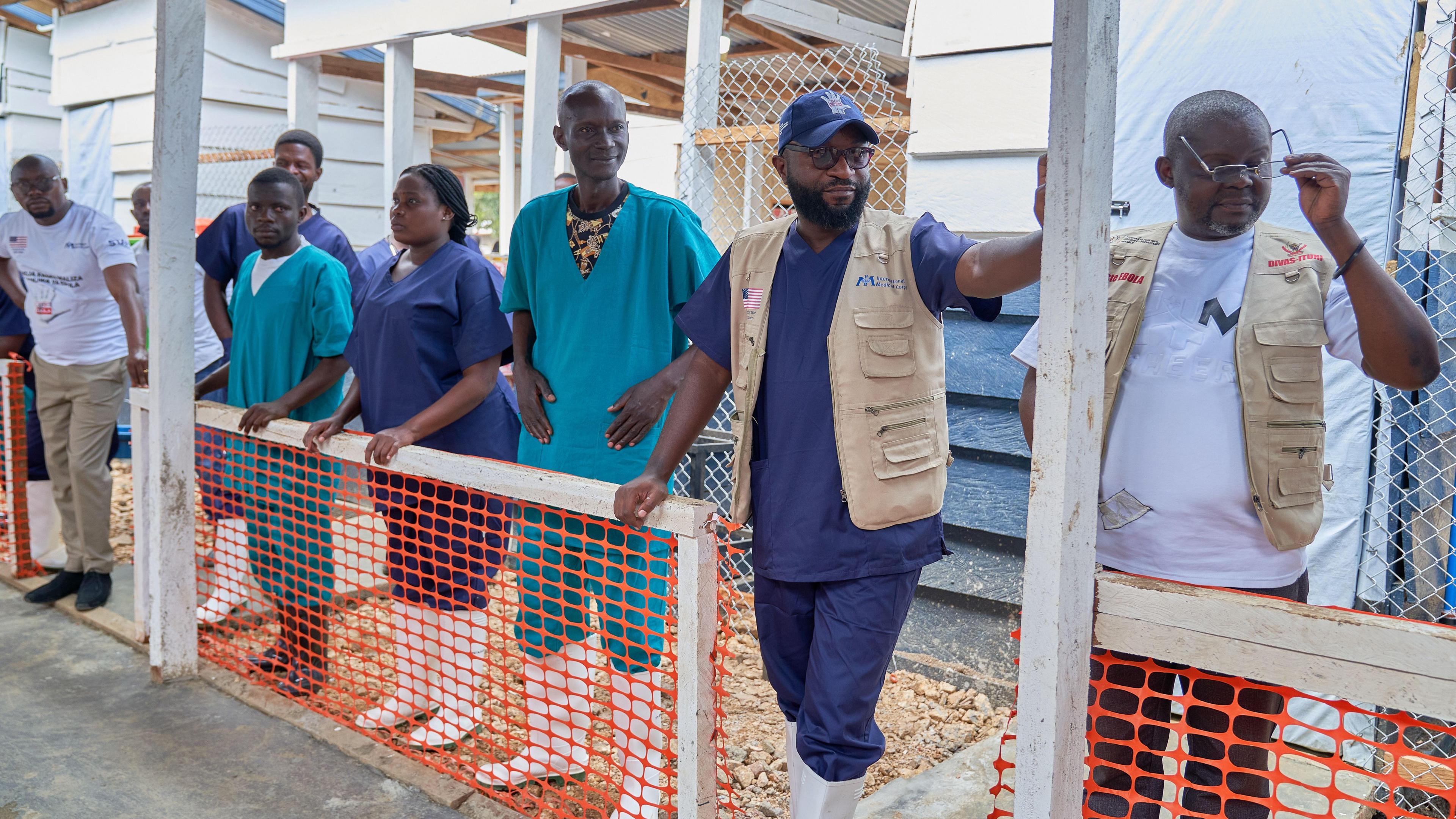
The outbreak’s swiftness and the high mobility of a population beset by decades of conflict have strained Congo’s already fragile health infrastructure. Authorities have opened new treatment centres and are mobilising community health workers, yet resources remain stretched.
Vaccination offers a glimmer of hope. Three groups, led by the University of Oxford, are developing a vaccine that uses the same viral‑vector technology as the AstraZeneca Covid‑19 shot. The UK Medicines and Healthcare products Regulatory Agency has cleared human trials, and a WHO‑backed study in Congo is testing the efficacy of existing antiviral therapies.
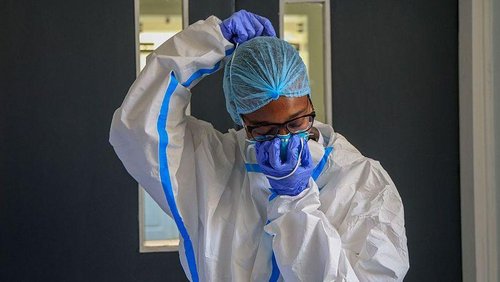
WHO President Dr Tedros Adhanom Ghebreyesus says the organisation aims to bring the outbreak under control within three months, though it acknowledges total eradication will take longer. The international community must intensify support, in particular for intensive care, protective gear and contact tracing, to stem the virus’s deadly spread.