Ethiopia Criticises Eritrea's ‘All‑Out Invasion’, Threatening Wider Conflict
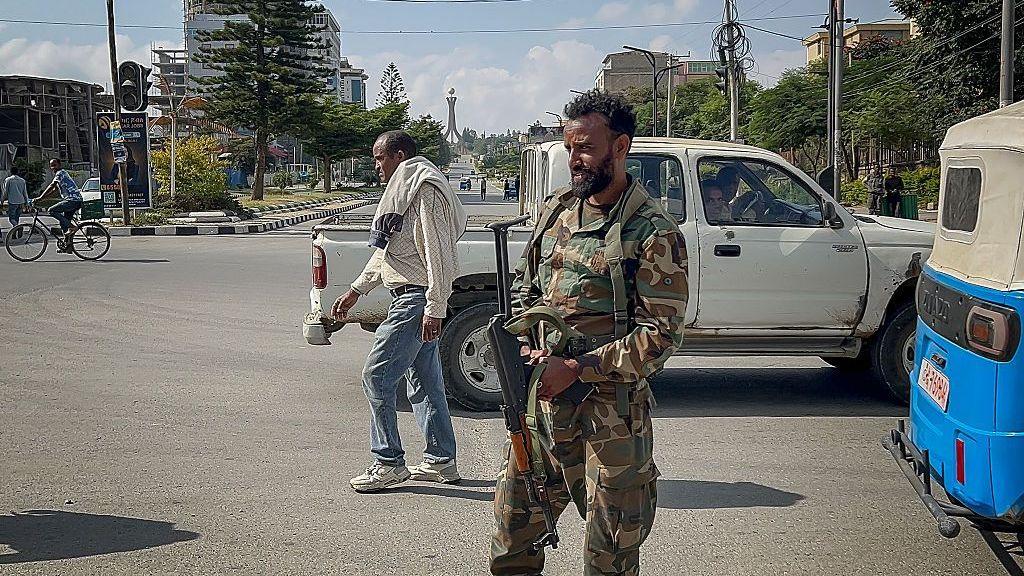
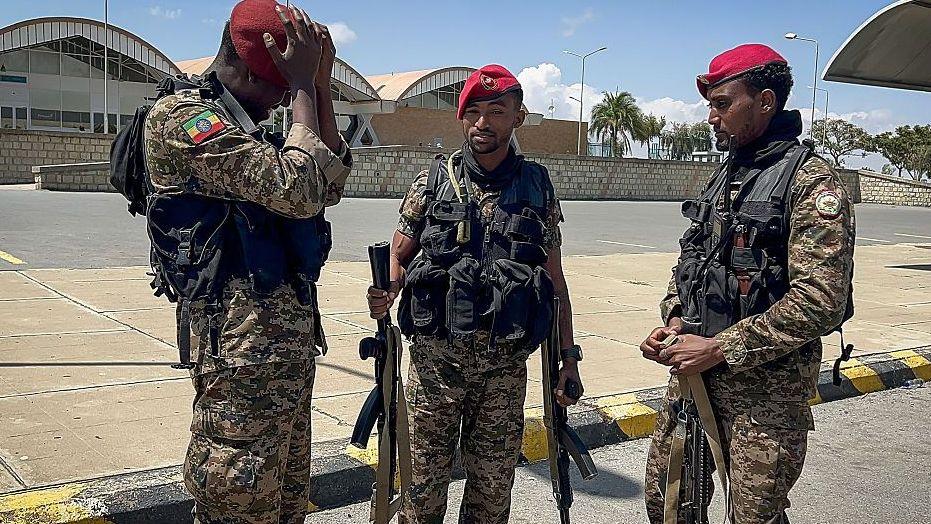
In a sharply worded letter to the U.N. Security Council, Ethiopia’s foreign minister Gedion Timothewos accused Eritrea of launching an “all‑out invasion” of its Tigray region, arguing that the country now has no choice but to defend itself. The claim comes after residents reported Eritrean troops moving up to 60 kilometres into northern Tigray, prompting immediate condemnation from Addis Ababa.
Eritrea, which had been a key ally in the 2018 peace process that ended a two‑year civil war, now denies any direct involvement, instead accusing Ethiopia of seeking a pretext to secede its port territory in the Red Sea. The two neighbours have since severed diplomatic ties, with Eritrea’s Information Minister calling the accusations “duplicity in their most extreme forms.”
The latest flare‑up follows drone strikes by Ethiopian forces on the Tigrayan town of Adigrat, where an Acled‑reported “multiple drone strikes” reportedly targeted Eritrean vehicles. While no verified casualties have been confirmed, eyewitnesses describe lorries being destroyed and troops reportedly retreating northwards.
Beyond the immediate military stakes, analysts warn that escalating hostilities could spill over into neighbouring districts, exacerbating resource scarcity, disrupting food supply chains and displacing thousands—factors that threaten to undermine fragile climate‑adaptation programmes in the Horn of Africa. A prolonged conflict would also hinder progress on sustainable land management and renewable‑energy projects underway in Tigray, jeopardising regional climate resilience goals.
Resolving the standoff will likely require concerted diplomatic pressure, confidence‑building measures, and perhaps third‑party mediation, while prioritising humanitarian corridors that shield civilians from the war’s environmental and socio‑economic fallout. For the region, the stakes extend beyond borders: a renewed conflict threatens not just political stability but also the environmental trajectory toward climate‑just development.