When Vladimir Putin addressed Russia’s parliament, the welcome was a testament to a regime that has doubled down on a full‑scale invasion of Ukraine.
The “Special Election Operation” that produced a United Russia majority is interpreted by Moscow as a mandate that allows it to intensify the war, a view echoed in Kremlin radio and press. Yet the cost is not only human: intense military operations burn vast amounts of fuel, produce large volumes of high‑carbon‑intensity wasted energy and create a chain reaction that fuels climate‑driven shocks across Europe.
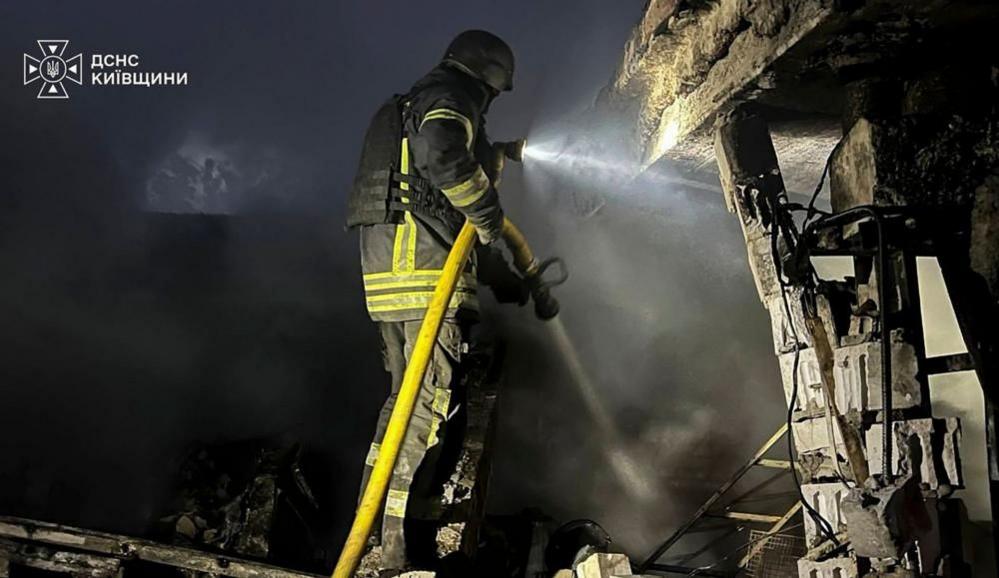
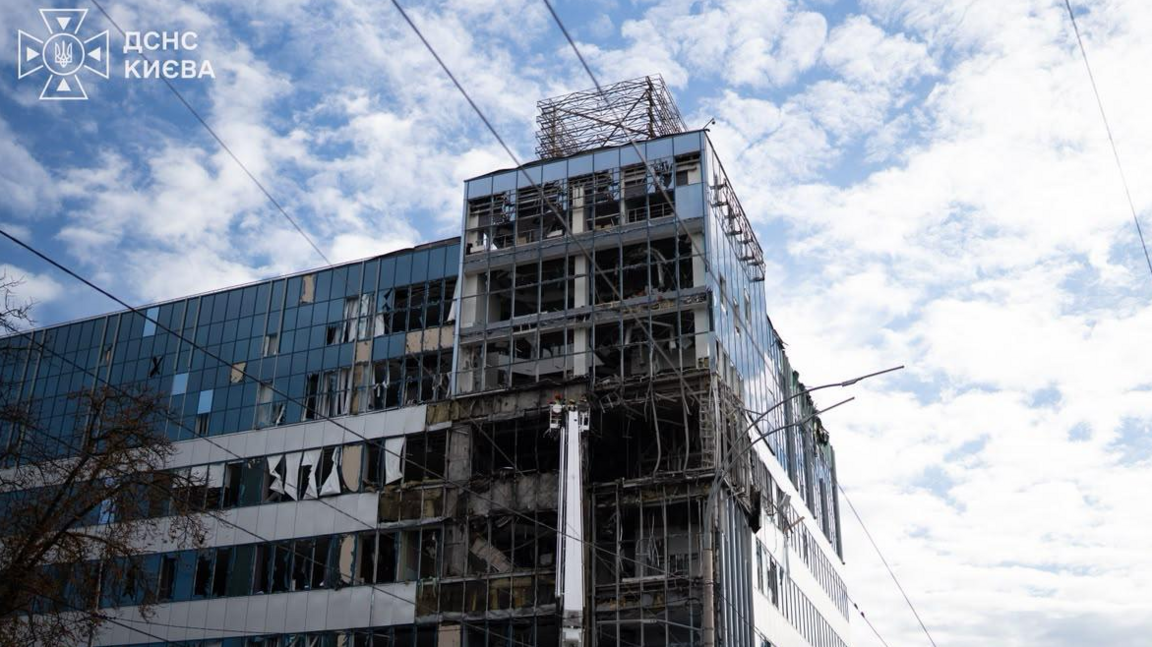
War‑related air and ground attacks in eastern Ukraine have racked the region’s power grids, forcing neighbouring states to import coal‑led electricity and steepening their carbon footprints. Severe air‑defence missile volleys and jet‑powered drones add additional emissions from the weaponry themselves. A 2025‑forecast model suggests that Russia’s bombing spree could contribute 12‑15 % extra CO₂ across the region over the next two years.
Beyond those direct emissions, nuclear‑grade weapons remain an ominous option in a rhetoric fire‑test: political statements from Russian strategists warn that “if Europe keeps helping Ukraine, Russia may have to go nuclear.” The environmental fallout from even a single detonation would eradicate the continent’s scientific progress and sideline every climate mitigation program for decades.
For Europe, the price of war has become a drain on defence budgets at the same time that climate‑carbon‑net‑zero goals are tightening. The European Commission’s 2023‑2028 strategic environmental framework notes that defence spending can weigh down net‑zero pathways unless coupled with aggressive green‑technology investment. The Kremlin’s lobbying for reduced support for Ukraine is thus a cunning strategy to divert resources away from renewable‑energy projects and back into conventional military operations.
The continuation of this conflict underlines the urgency of cross‑border cooperation: the World Meteorological Organization warns that climate‑related weather extremes—heatwaves, floods, and severe storms—are expected to compound if war disrupts climate‑resilience projects and supply chains. It is a stark reminder that the path to a sustainable future is inseparable from the geopolitical terrain we navigate.
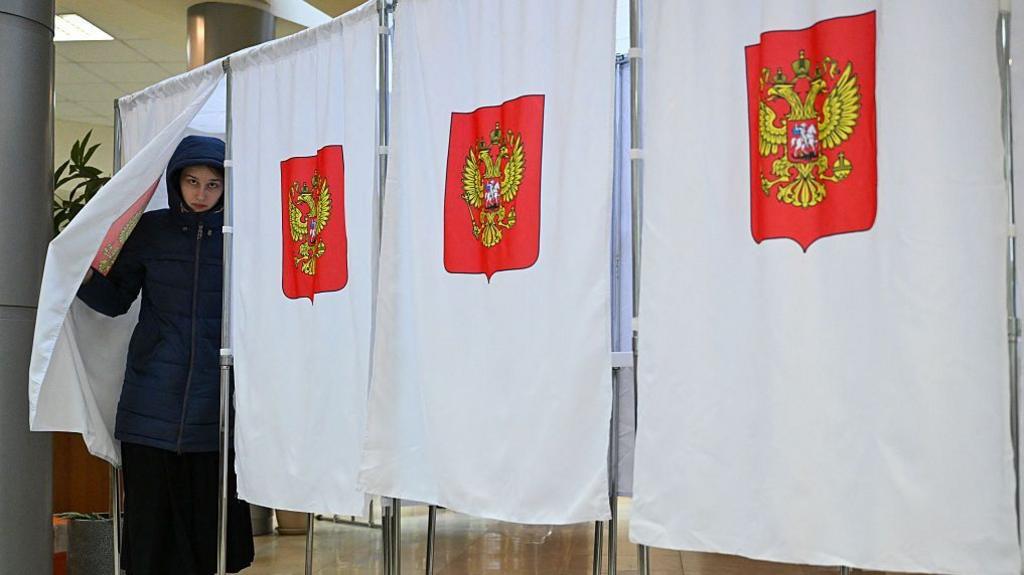
Image: A woman in a dark blue parka leaves a polling booth in Russia, symbolising the political inertia that fuels the war and its destabilising influence on Europe’s green agenda.