Tigray Conflict Threatens Climate Resilience: How War Disrupts Ethiopia’s Environmental Future
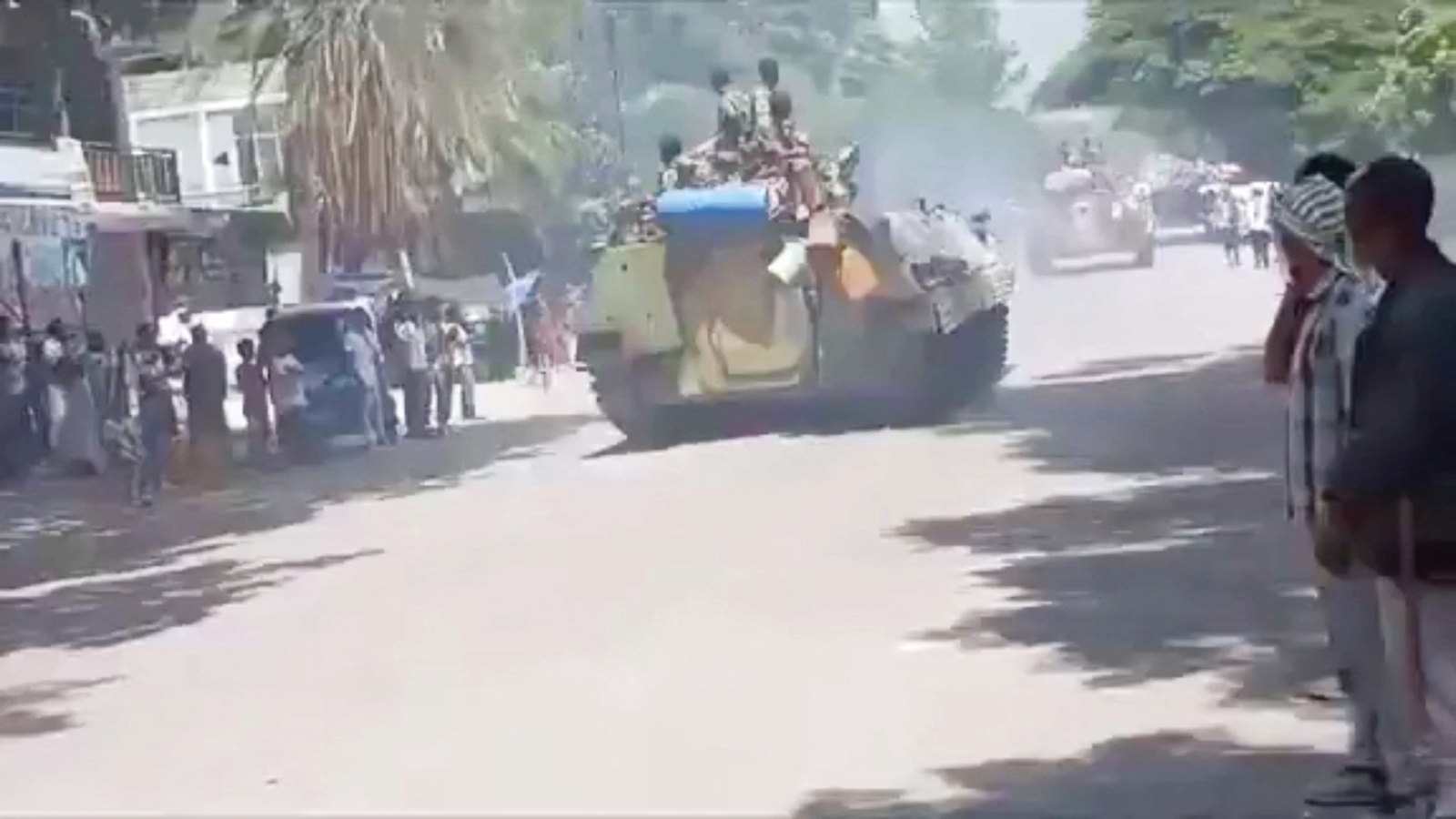
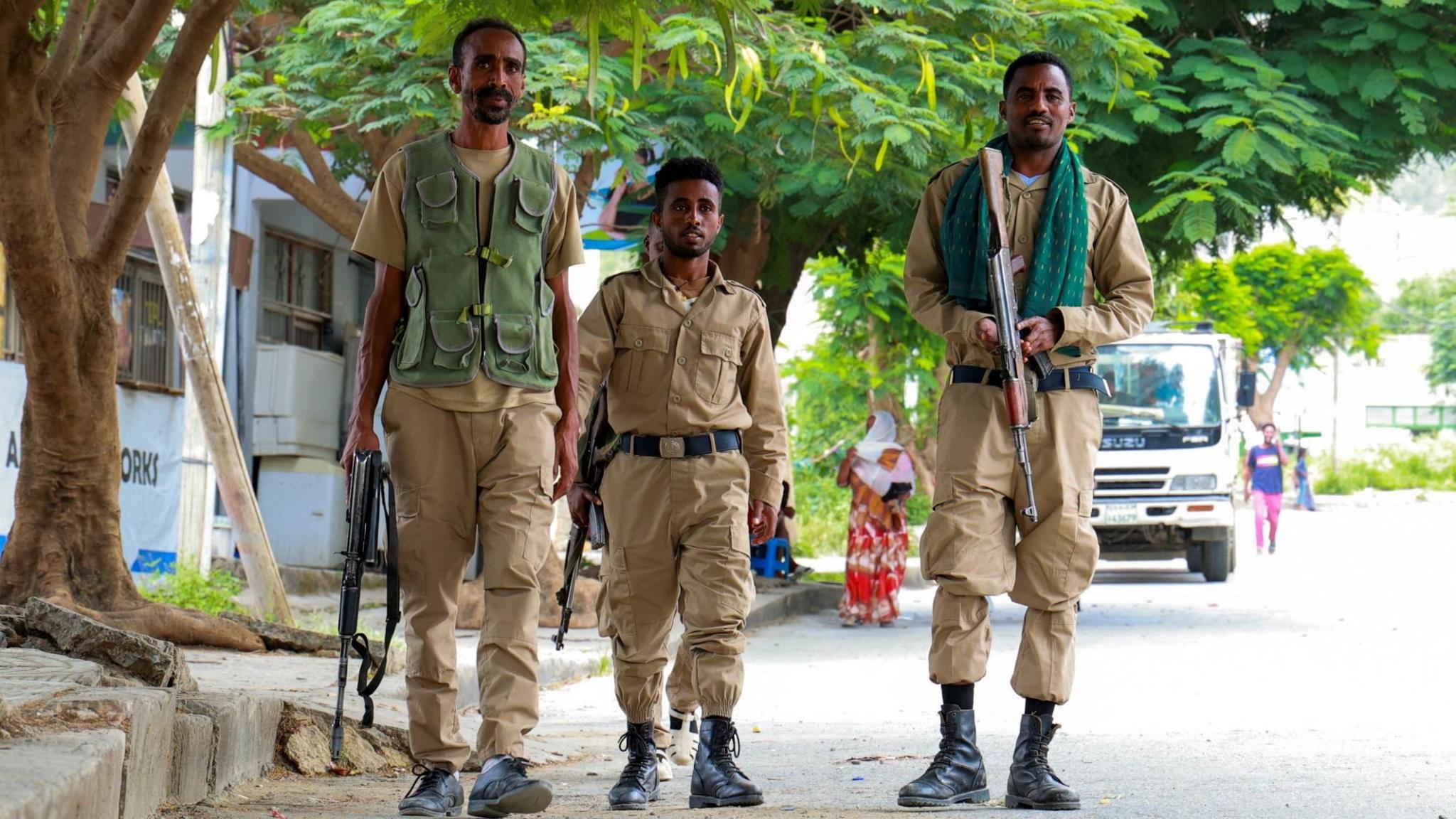
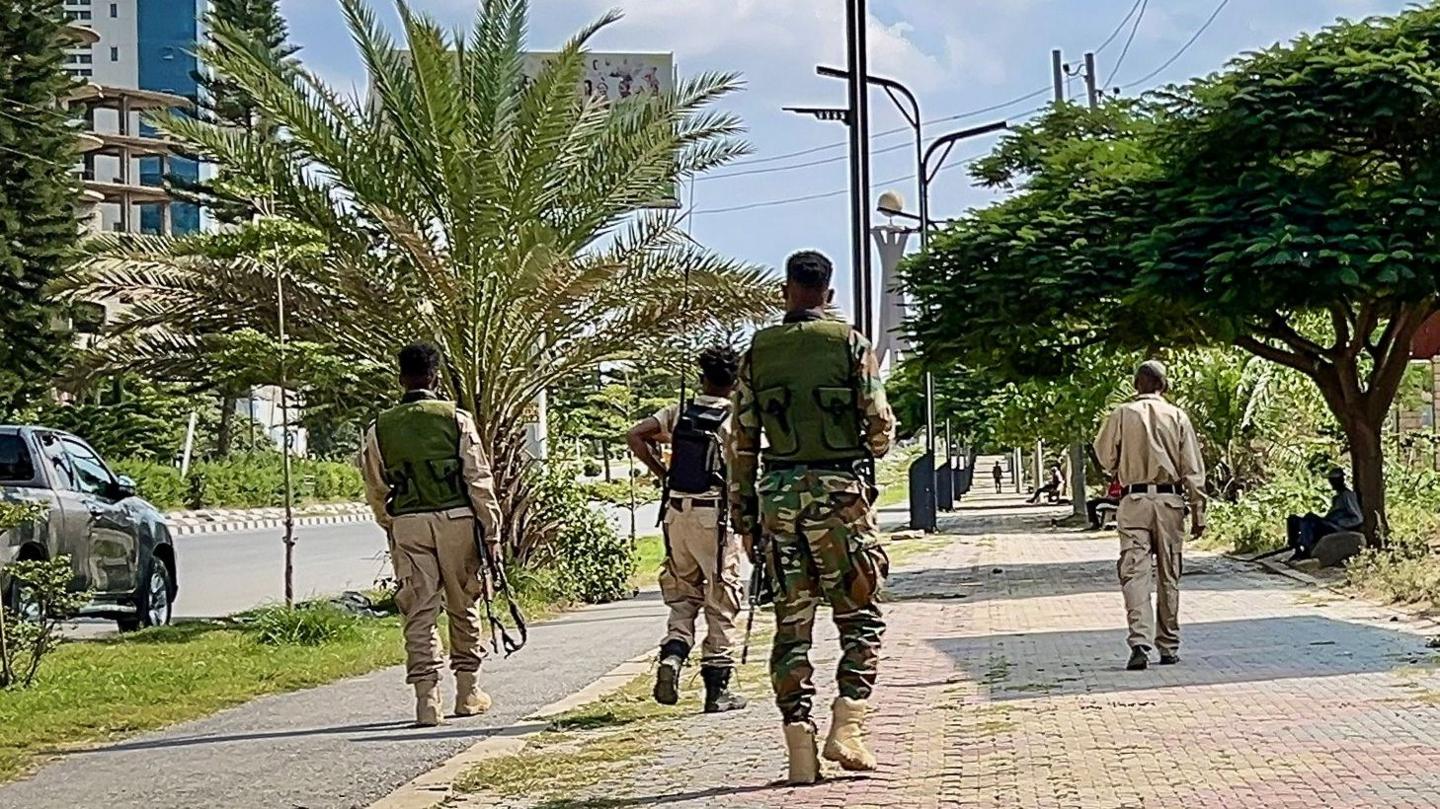
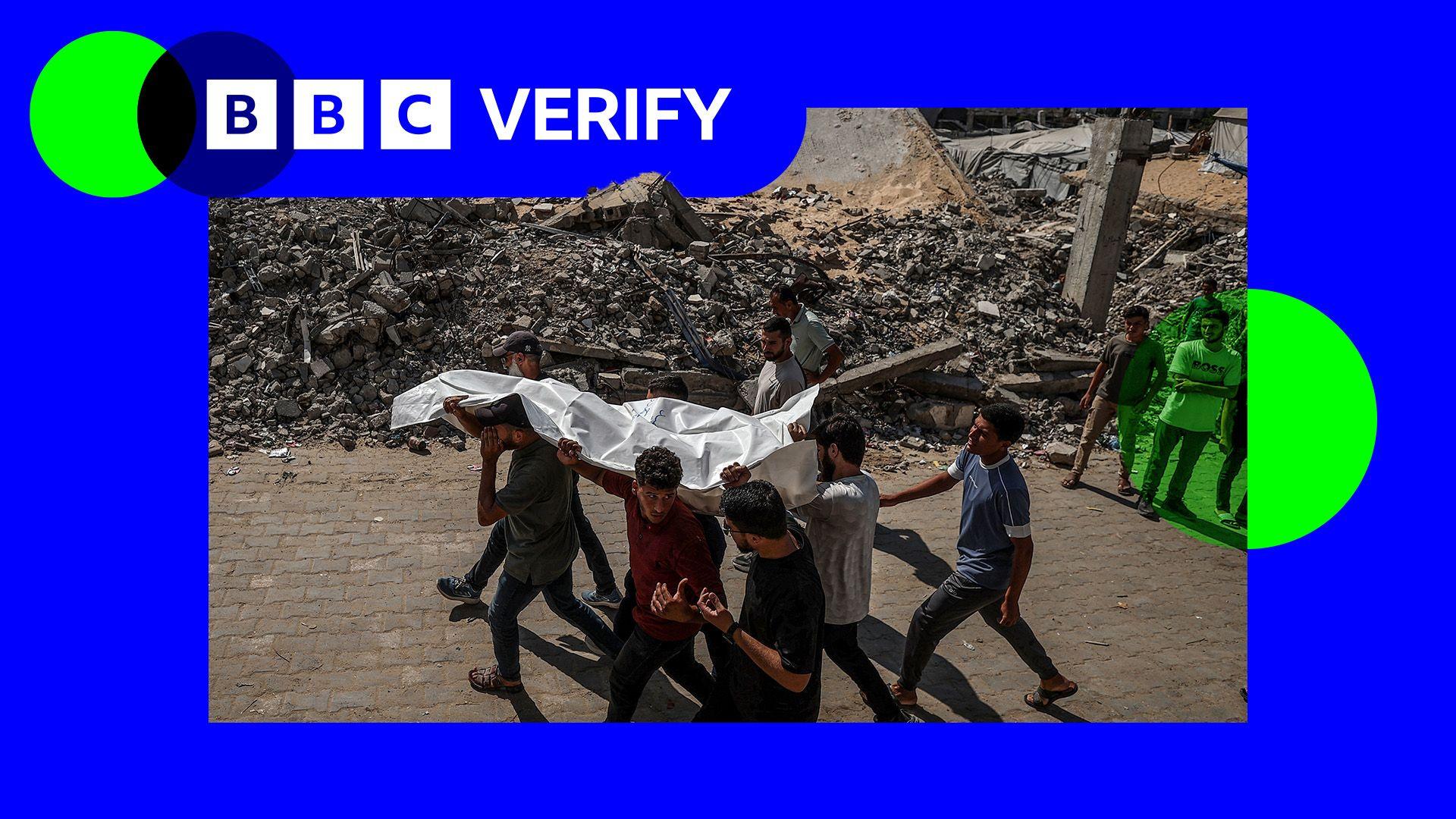
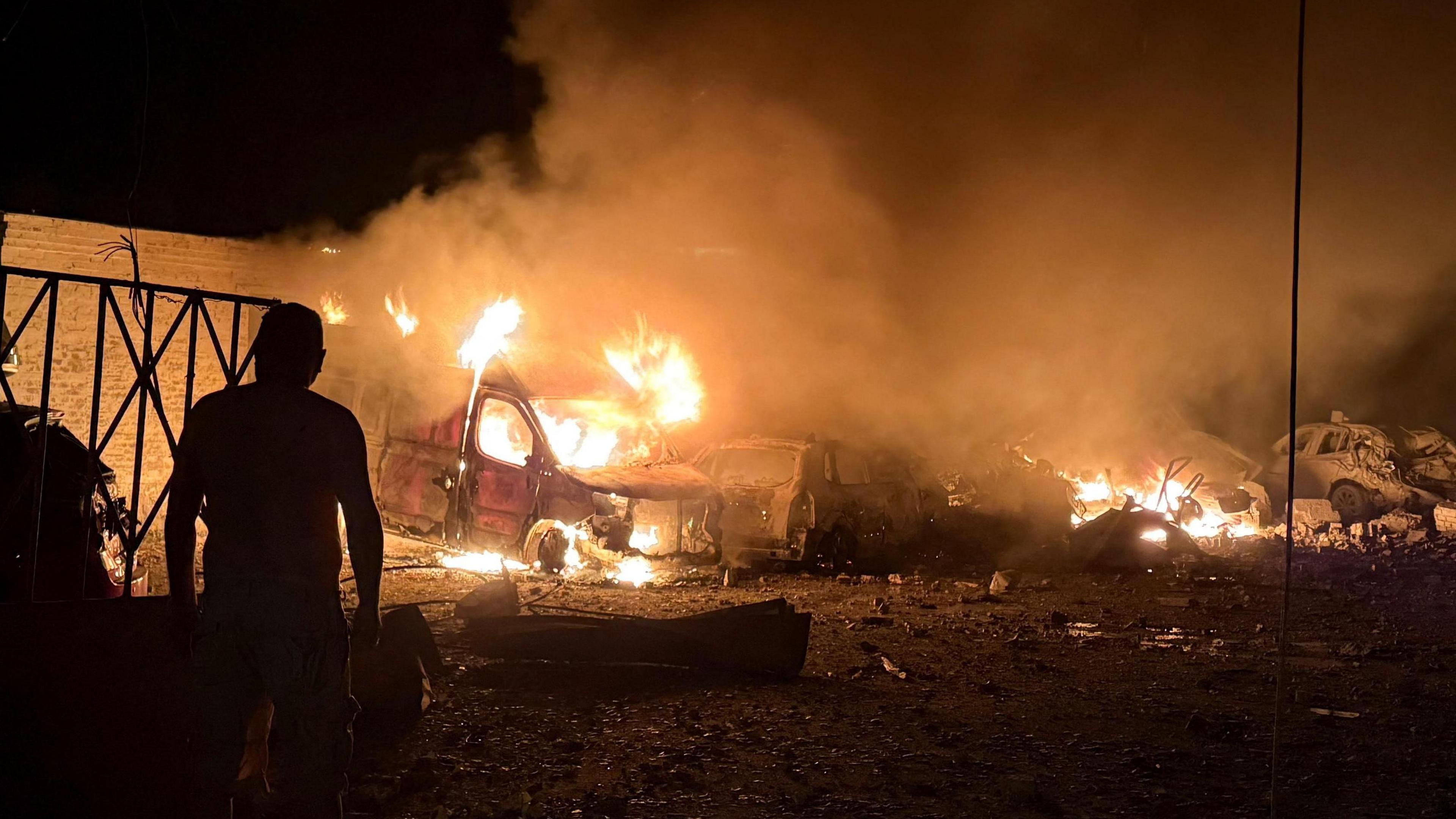
At least 52 civilians died over three days of fighting around Alamata, the northern outskirts of Ethiopia’s Tigray region, according to hospital officials who spoke to the BBC. Government forces have taken the town, moving on toward the regional capital Mekelle, and have deployed tanks along the streets as documented in social‑media footage.
The clashes erupted after a decade of tension between the federal government and the Tigray People’s Liberation Front (TPLF). Both sides blame each other for violating a 2022 cease‑fire agreement that had ended a two‑year civil war. In addition to the loss of life, the conflict is strangling Ethiopia’s nascent climate‑adaptation infrastructure.
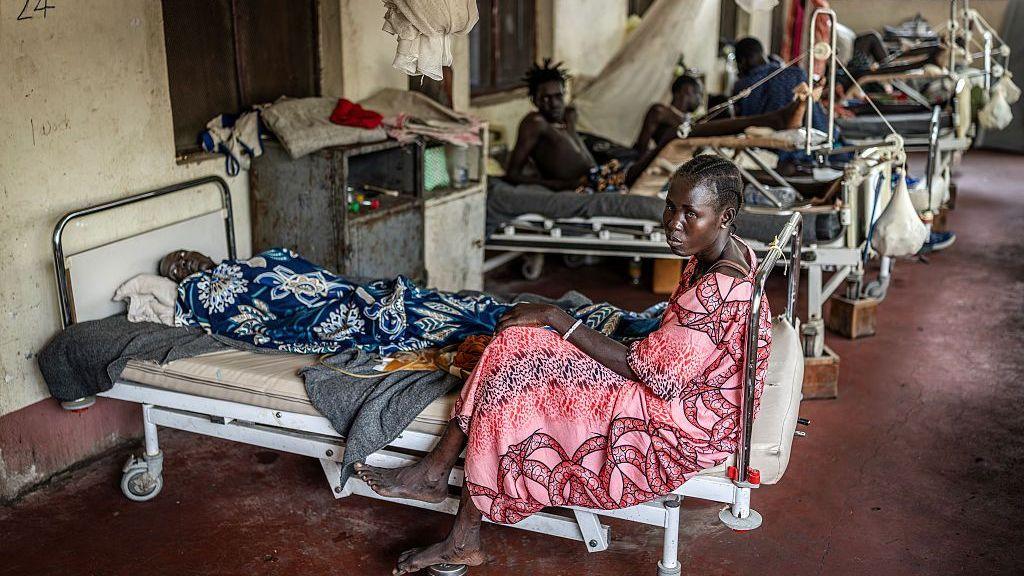
The government’s decision to suspend banking services in Tigray, coupled with an imposed internet shutdown, has halted the flow of data to regional climate scientists. Remote monitoring of air quality, water usage, and greenhouse‑gas emissions—critical for tracking Ethiopia’s climate commitments—has been cut off. NGOs such as Médecins Sans Frontières admit that over 700 wounded people were admitted to hospitals that rely on digital supply chains.
In Lalibela, a UNESCO World Heritage site, tourists have been stranded since the airport was closed to commercial flights. Travelers from Israel, Britain, and the United States have been evacuated by military helicopter, but the lack of communication has frozen economic activity that supports local environmental projects, including reforestation and sustainable tourism.
The Tigray Broadcasting Service (TBS) has stepped in to provide a lifeline for families split by the blackout. By collecting video messages from outside the region and broadcasting them via satellite TV, the broadcaster is maintaining social cohesion—an indirect but vital component of community resilience to climate shocks.
Meanwhile, migrants who fled the conflict to Addis Ababa report frozen bank accounts and denies of money transfers, echoing a wider disruption in financial services that underpins climate financing in the region. Without accessible funds, local micro‑economies cannot invest in low‑carbon agriculture or renewable energy projects.
The warfare’s ripple effects extend to environmental governance. The TPLF’s allied forces in the Afar region—a strategic corridor linking landlocked Ethiopia to Djibouti’s ports—threaten the ecological integrity of this vital export route. The loss of surveillance has jeopardised monitoring of livestock grazing patterns and soil degradation.
While the immediate focus is on civilian safety, the long‑term climate prospects hinge on restoring data streams, re‑activating communications, and rebuilding the socio‑economic fabric that supports sustainable development. Behind the headline deaths lies a larger crisis—one where 2028’s emission‑reduction targets could slip if the emergency is not integrated into a post‑conflict recovery plan that prioritises climate resilience.