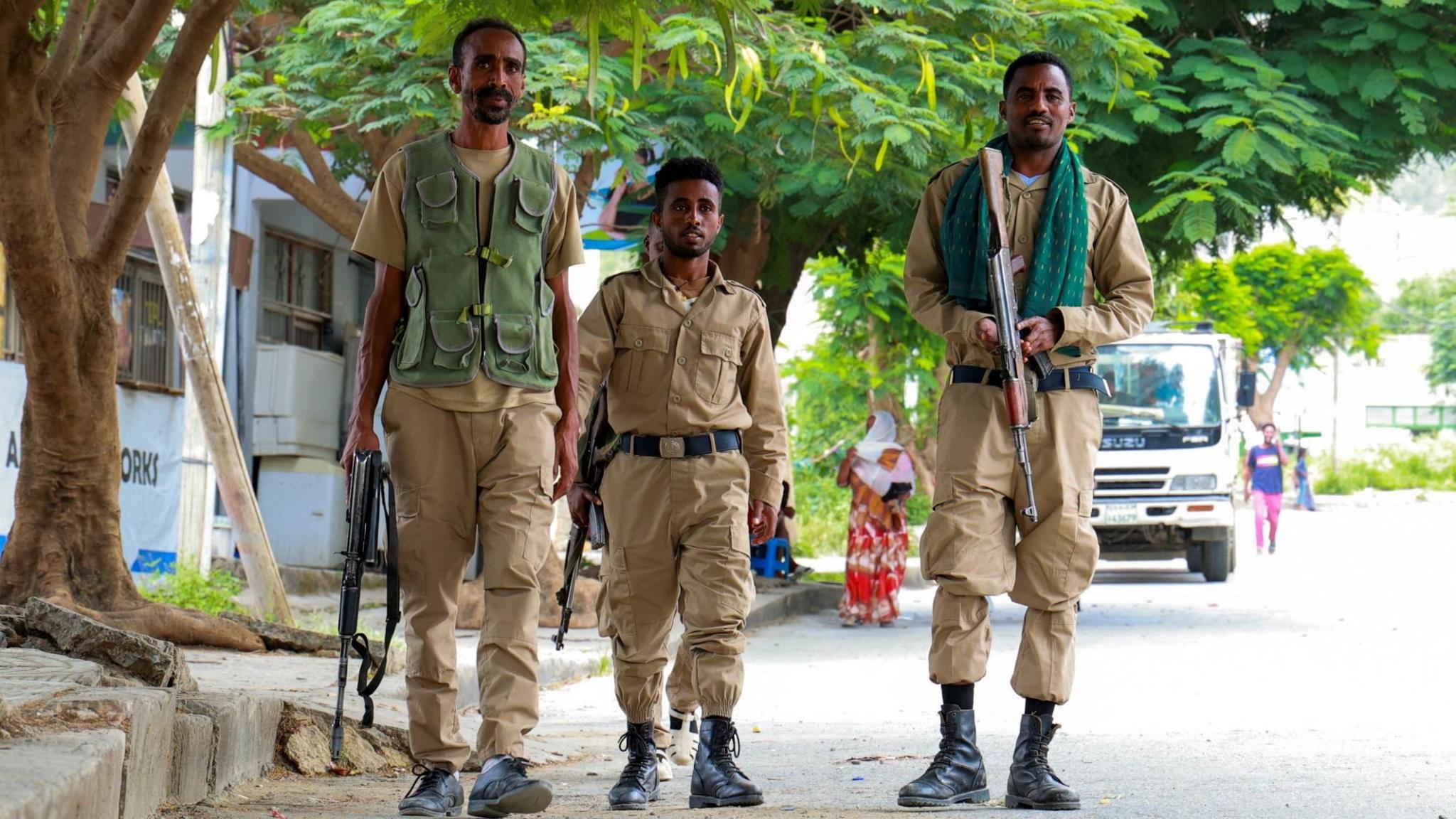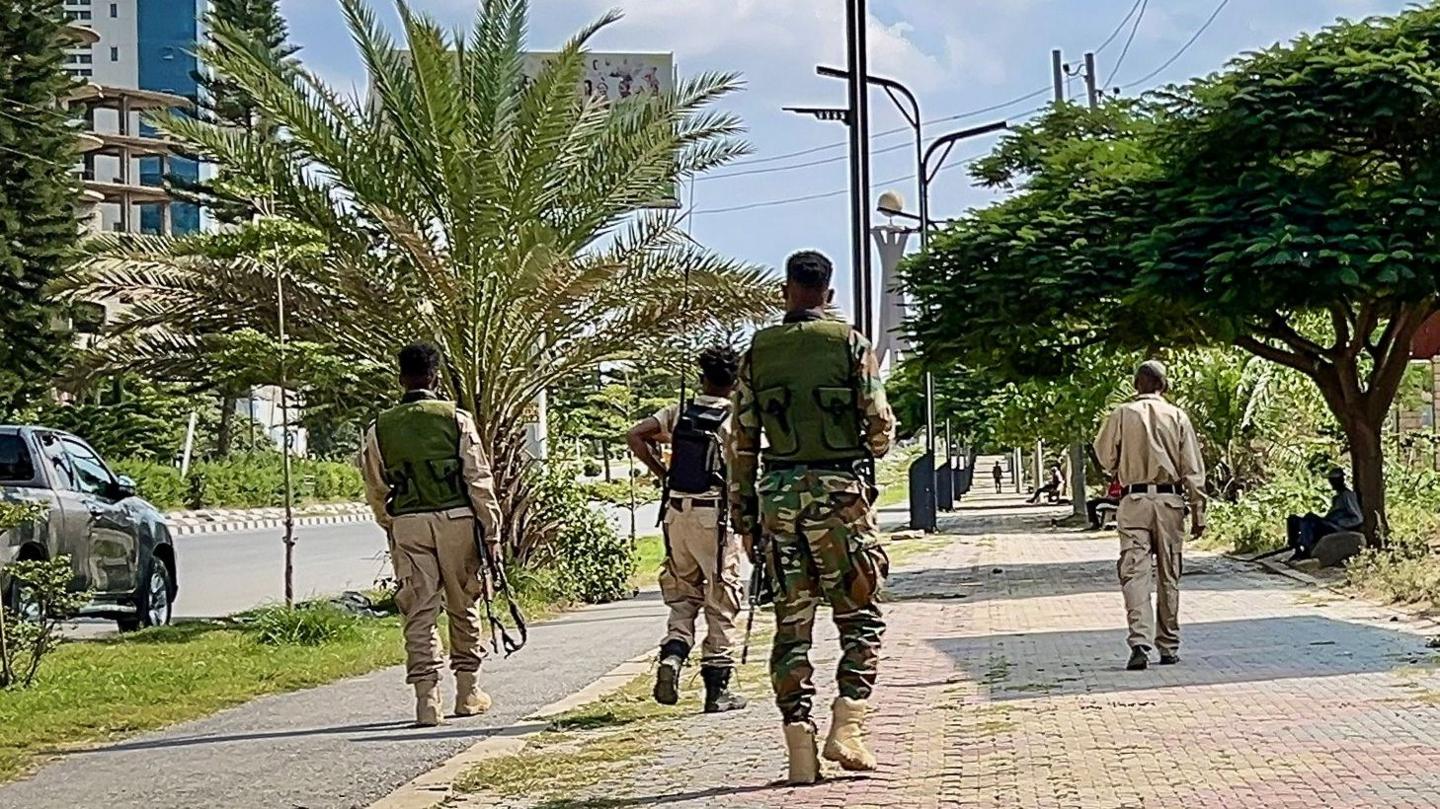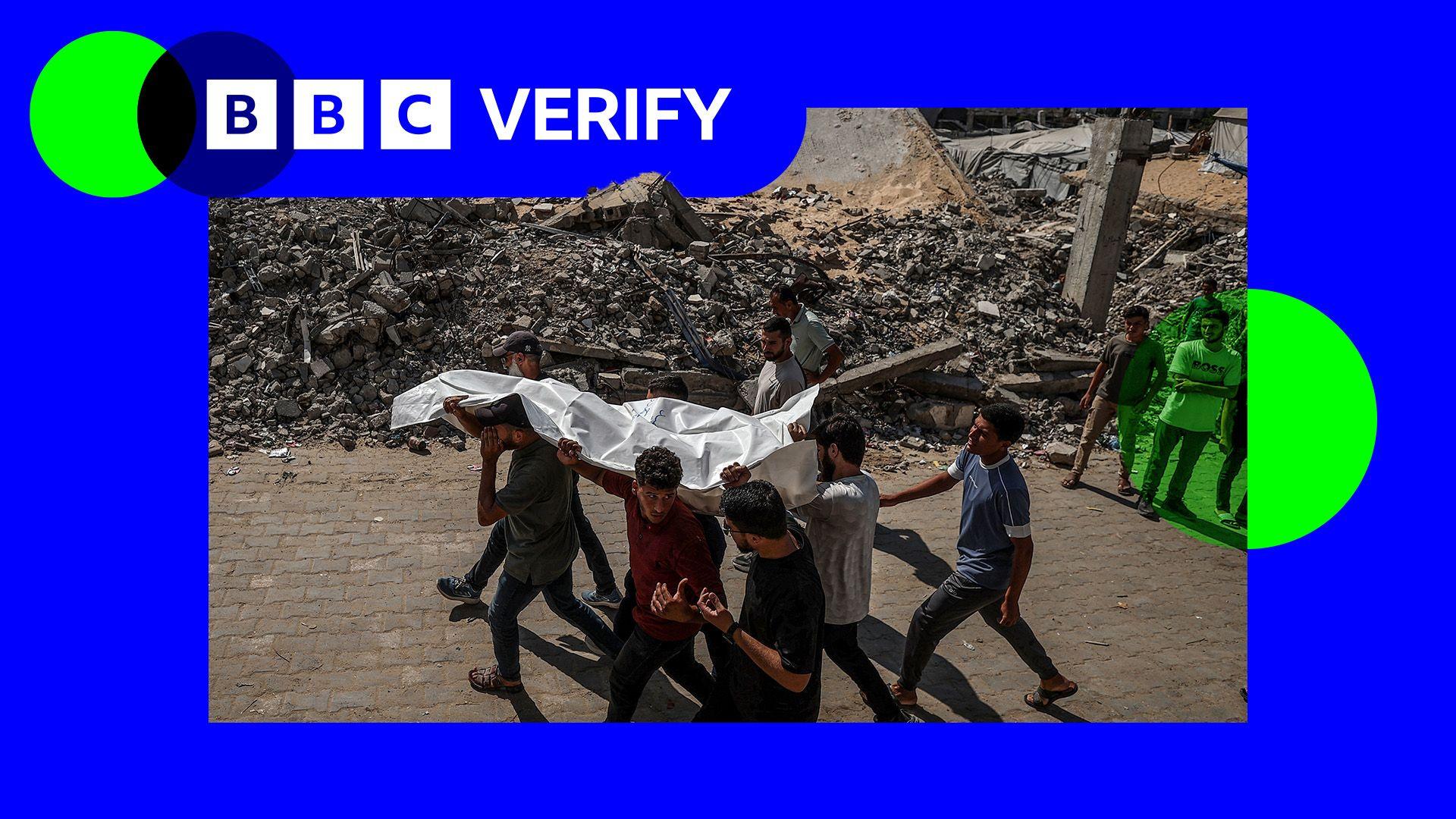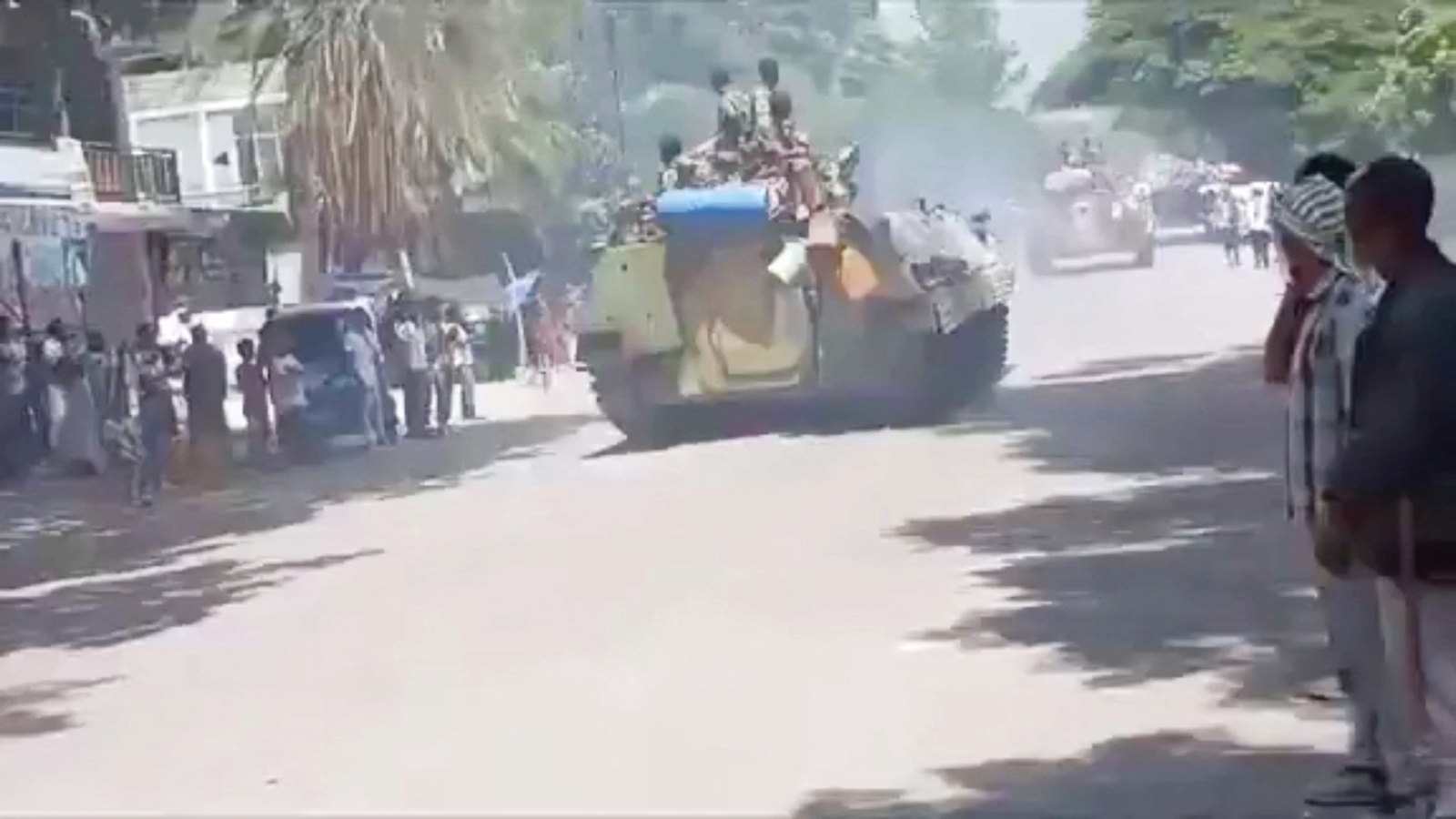
Heavy fighting in Ethiopia’s northern Tigray region has claimed the lives of at least 52 civilians over three days, a local hospital doctor told the BBC. Tanks and armoured vehicles now line the streets of Alamata, where government troops claim control after a month‑long standoff with the Tigray People’s Liberation Front (TPLF). The TPLF says it is responding to a federal offensive that included drone strikes, while the government maintains that it was pulled back by an attack on regional airports.
The fresh violence has pushed the region’s humanitarian crisis to new heights. Banking services have been halted, and the internet cut, preventing cash transfers and disrupting supply chains. The Air Force’s closure of the Alamata airport has stranded more than 50 tourists, including 14 Israelis who were evacuated by helicopter. In neighbouring Lalibela, a UNESCO heritage site, tourists have been stranded for a week while the military keeps the town under heavy surveillance.
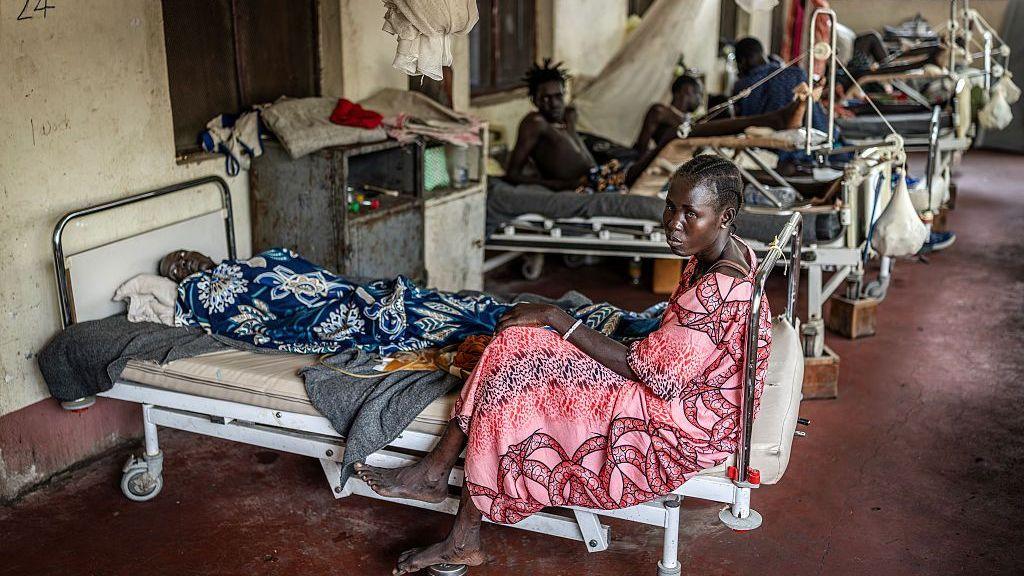
The conflict worsens an already fragile food system that has been strained by this year’s severe drought. Non‑government organisations such as Médecins Sans Frontières report that over 700 people in Tigray are now wounded, with children as young as a day old among the dead. The region’s farmers, who depend on seasonal rains, risk losing entire herds of cattle and future harvests, deepening famine risk as climate change pushes precipitation patterns further into drought‑prone zones.
With telecommunication networks down, the Tigray Broadcasting Service has launched a satellite‑TV initiative that streams video messages collected via Telegram. The service provides a rare lifeline for families cut off by the blackout, but it can only offer greetings and updates, not complex relief coordination. External aid has been constrained by the lack of operational airspace; international donors warn that the stalled humanitarian corridor could turn the situation into a mass exodus affecting nearby regions.
UN experts stress that the fragile climate‑humanitarian nexus in Tigray means that prolonged conflict could devastate both the social fabric and the region’s ecological corridors. They call for immediate cease‑fire talks, the reopening of humanitarian corridors, and a coordinated climate resilience strategy that supports affected communities while the conflict drags on.