The Silent Cost of Conflict
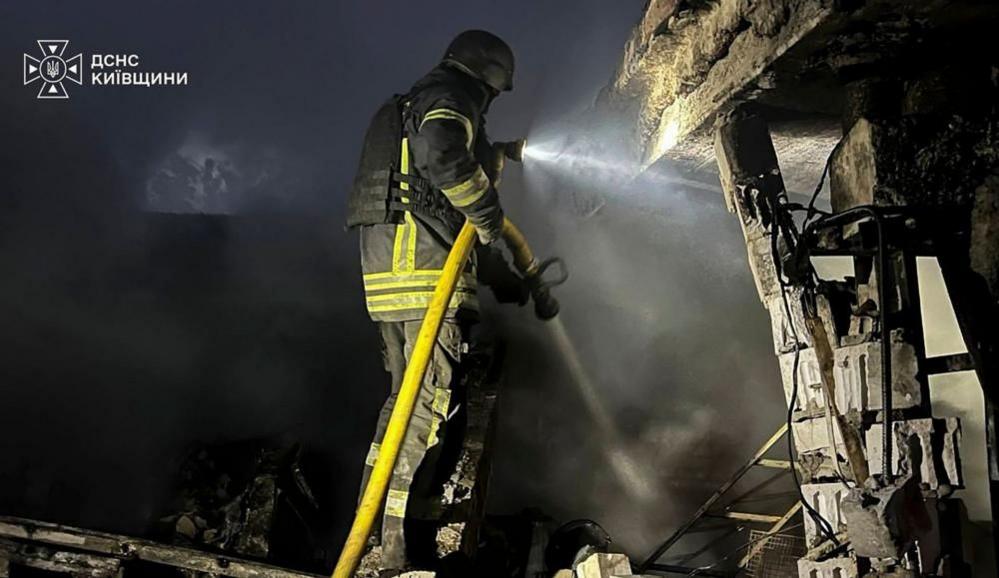
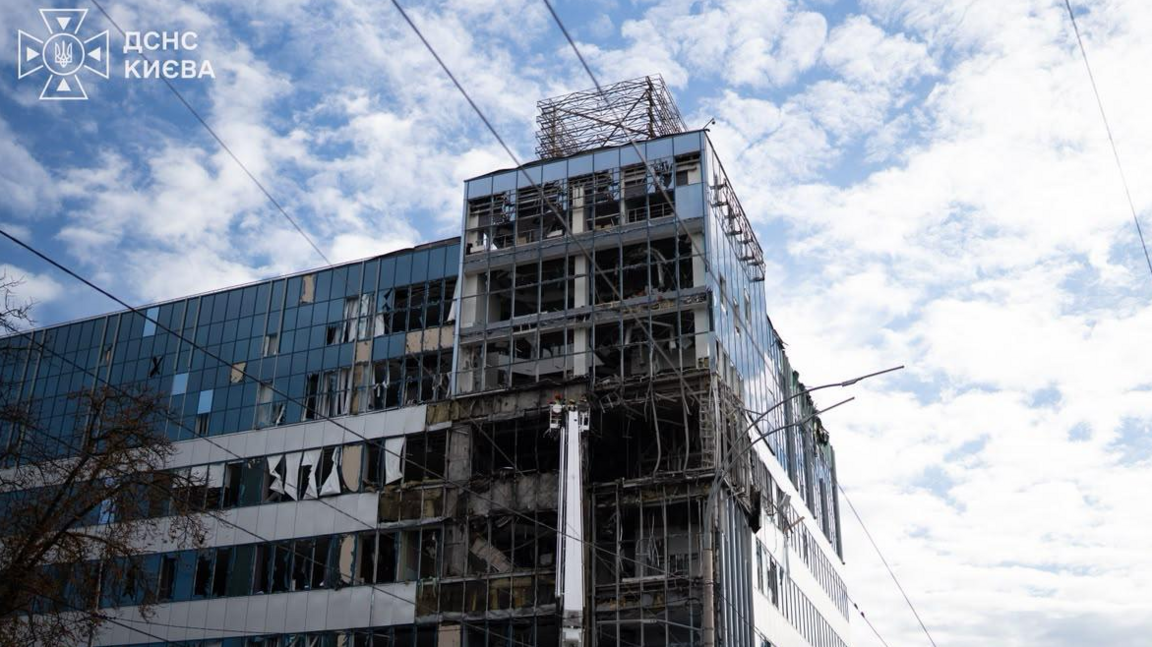
Russia’s continued military push in Ukraine is more than a geopolitical crisis; it is a climate crisis in its own right. Each day of bombardment releases countless tons of CO2, hydrogen sulfide, and particulate matter that threaten both local air quality and the atmosphere at large.
Bombardments of industrial sites often explode buried chemical stocks, contaminating groundwater and local ecosystems. The loss of green infrastructure—forests, wetlands, and crop fields—reduces the land’s capacity to absorb carbon, accelerating global temperature rise.

Hybrid Attacks and Europe’s Fragile Ecosystems
Hybrid warfare launched from Russian airspace into European territories has not only threatened national security but also damaged the environment. Drone strikes that traverse EU borders create sudden, unexplored burn scars on reclaimed lands and force local communities to invest in expensive recovery.
The pervasive presence of remote‑sensing surveillance falls short of protecting ecosystems from direct conflict damage, leaving ecological monitoring in many regions uneven. The hidden ecological toll becomes especially acute in border areas where wildlife corridors intersect with front lines.
From Conflict to Climate Policy: The Need for Integrated Responses
Environmental scientists highlight that the destruction of infrastructure could push countries toward greater consumption of fossil fuels, undermining decades of emissions reductions. Restoring damaged ecosystems will not only aid habitat recovery but also provide climate resilience—water regulation, soil carbon sequestration, and forest cover restoration.
Governments and international bodies must create joint initiatives that intertwine war damage assessments with climate restoration programs. Funding directed at repair should prioritize renewable energy installations and green infrastructure to replace the lost capacity and curb emissions growth.
A Call for Global Climate‑Peace Collaboration
The conflict in Ukraine reminds us that war and climate change are deeply linked. International responses that integrate security, humanitarian, and environmental objectives can foster a pathway toward both peace and planetary sustainability.