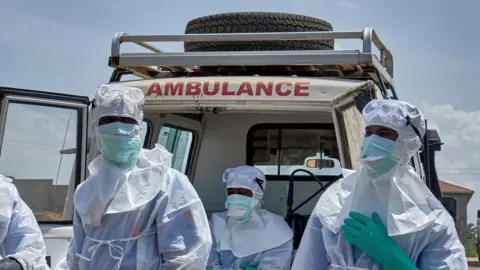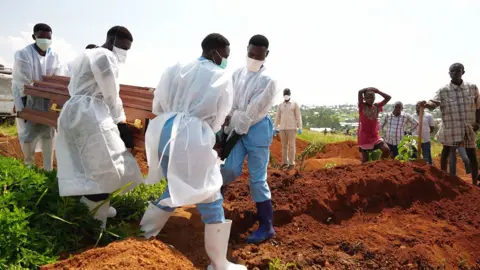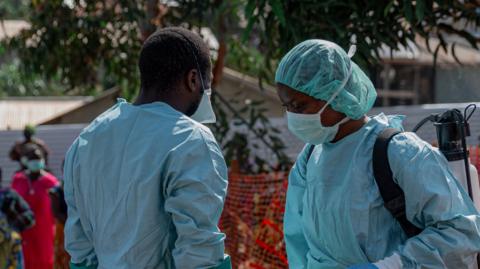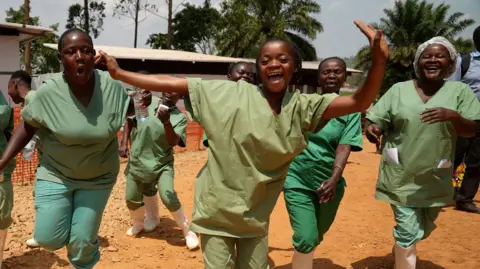
The World Health Organization (WHO) has declared an Ebola outbreak in the Democratic Republic of Congo (DRC) a public health emergency of international concern. This outbreak is concerning due to the rare Bundibugyo strain of the virus, which lacks a vaccine and is complicating response efforts in a conflict-ridden area.
Ebola is a severe disease caused by the Ebola virus, typically infecting animals like fruit bats and transmitting to humans who handle or consume infected wildlife. Symptoms appear two to 21 days after exposure and can start with flu-like signs such as fever and fatigue, progressing to severe vomiting, diarrhea, and potentially organ failure.
The current outbreak is particularly alarming because it stems from the Bundibugyo strain, which had not been seen for over a decade and has previously had a mortality rate of about one-third. Initial efforts to identify infected individuals were hindered by the strain's rarity, as standard tests were designed for more common types of Ebola.
Currently, no approved vaccines or targeted treatments for Bundibugyo exist, making containment and treatment significantly more challenging. Furthermore, the outbreak occurs in a conflict zone where over a quarter-million people have been displaced, complicating public health efforts.
Since the first known case was reported on April 24, it has become clear that the virus spread undetected for weeks, exacerbating the situation as communities often attribute the disease to mystical causes rather than seek medical help.
The WHO's declaration does not, however, suggest that a global pandemic akin to Covid-19 is imminent; rather, the risk of the virus spreading beyond East Africa is currently considered minimal.
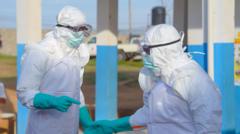
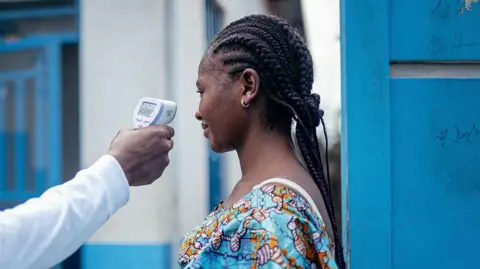
In response to the outbreak, health teams from the DRC government, WHO, and medical charities like Médecins Sans Frontières (MSF) have been mobilized to set up treatment centers and implement response plans. Local populations are being urged to report symptoms quickly, practice hygiene, and avoid contact with infected individuals or animals.
Neighboring countries are also taking precautions, with efforts to reinforce border screenings, especially following cases reported in cities like Goma, which is currently controlled by rebel groups. The political and logistical challenges posed by these ongoing conflicts further complicate containment efforts.
This outbreak highlights the intersection of health, security, and cultural factors in managing infectious diseases, underscoring the need for comprehensive health strategies in areas affected by both Ebola and conflict.