In brief
A French medical volunteer returning from a humanitarian mission in the Democratic Republic of Congo tested positive for Ebola, marking the first confirmed case in Europe. The incident underscores the growing threat of zoonotic disease spill‑over as climate change alters wildlife habitats and compromises natural disease barriers. While the patient is stable, health authorities warn of a low population risk, yet the case signals the urgent need to strengthen global surveillance, bolster vaccine research and protect ecosystems that help regulate pathogen reservoirs. The DRC is battling a Bundibugyo Ebola outbreak, with thousands infected amid escalating conflict and limited healthcare access. This story invites climate‑focused discussion on how environmental degradation fuels deadly pandemics and frames policy responses towards resilient, ecologically sound health systems.
A French medical volunteer who returned from a humanitarian mission in the Democratic Republic of Congo (DRC) was immediately admitted to a specialised facility in Paris after testing positive for the Bundibugyo strain of Ebola. The health ministry announced the patient is in a stable condition, emphasizing that the risk to the general French population is very low.
While the patient’s arrival in France may seem a isolated incident, the broader context is one of escalating environmental change that fosters pathogen spill‑over. Climate‑driven shifts—rising temperatures, altered rainfall patterns and extreme weather—push wildlife into new territories, shrinking the natural buffer zones that historically kept viruses like Ebola within forested ecosystems.
Deforestation in the eastern provinces of Ituri, South Kivu and North Kivu has fragmented habitats, increasing encounters between humans, wildlife and their reservoir hosts. The DRC’s current outbreak, which already reports over 1,000 infections and 260 deaths, illustrates how ecological disruption can amplify viral spread, especially where poverty, conflict and inadequate healthcare intersect.
Health authorities in France have set up a dedicated monitoring system to track aid workers returning from the region. This move signals a growing awareness that global health security can no longer be separated from environmental stewardship. The absence of an effective vaccine for the Bundibugyo strain further underlines the urgency of investing in research that bridges epidemiology, climate science and ecosystem management.
International bodies such as the World Health Organization (WHO) and Africa Centres for Disease Control and Prevention (Africa CDC) warn that the current outbreak could become one of the largest ever, especially if conflict in eastern DRC continues to impede containment efforts. The M23 rebel group’s control of large swaths of North and South Kivu hampers vaccination and quarantine measures, exacerbating a crisis that is unmistakably a result of human‑environment interactions.
In light of these developments, climate‑change advocates argue that protecting forests, restoring biodiversity and reducing carbon emissions are essential components of disease prevention strategies. The French case illustrates that pandemics are not merely medical challenges; they are rooted in the same environmental processes that drive climate change.
For more on the science linking climate to emerging diseases, see our feature on Climate Change and Infectious Diseases.
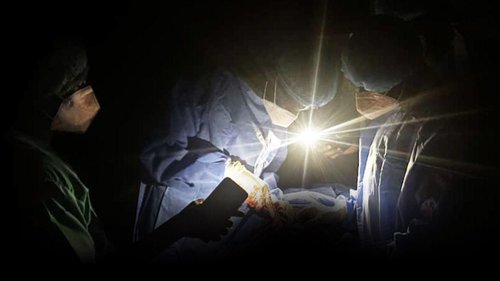
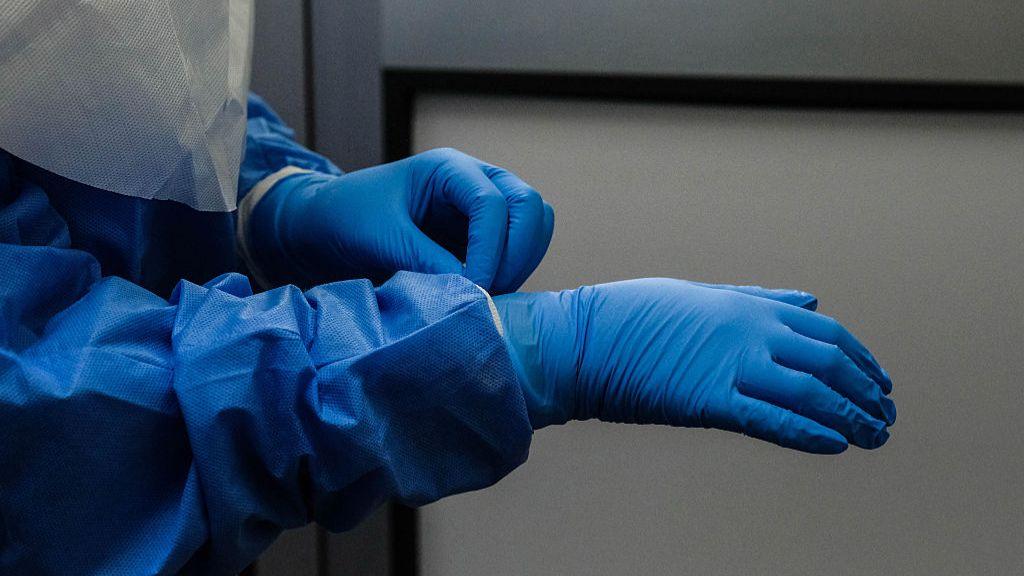
Healthcare workers are at high risk of contracting Ebola