In brief
The U.S. Environmental Protection Agency's Inspector General reports that around 100 highly contaminated Superfund sites are perilously situated in regions susceptible to climate-related catastrophes like flooding and wildfires. About 3 million Americans live within a mile of these sites, raising concerns about potential health hazards. The report calls for enhanced planning and mitigation strategies to better manage these environmental threats, particularly in the wake of increasing extreme weather events influenced by climate change.
According to a newly published report by the U.S. Environmental Protection Agency (EPA), nearly 100 of the country's most contaminated Superfund sites are found in regions at risk for flooding and wildfires, endangering millions of people living nearby. Approximately 3 million people live within a mile of these hazardous waste sites, with another 10 million situated within three miles.
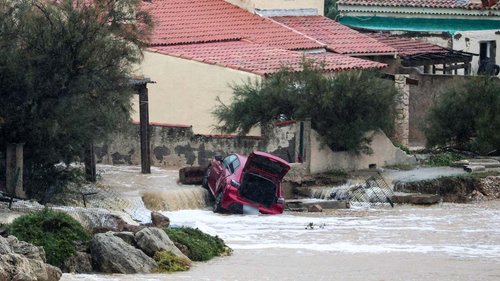
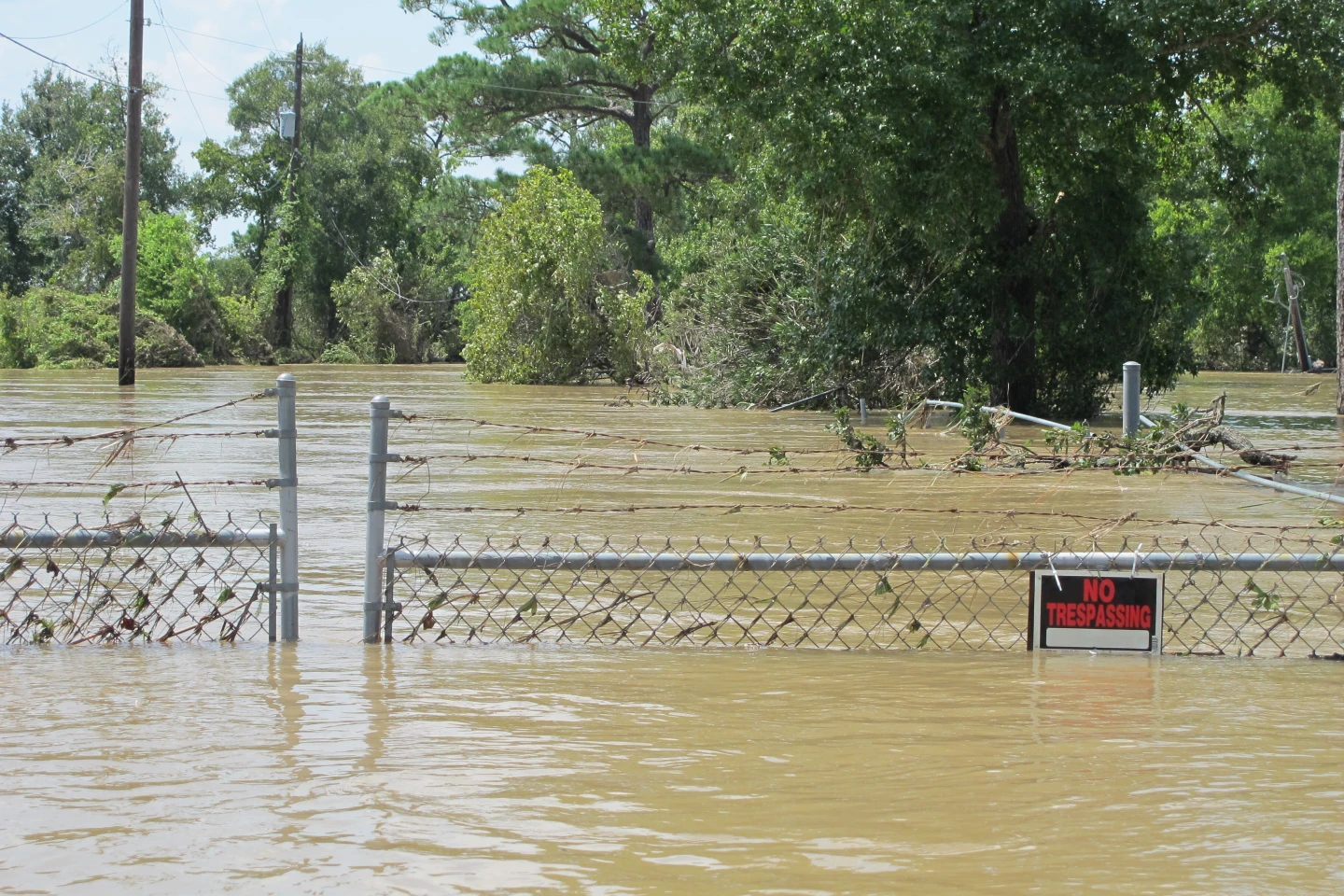
The EPA's Office of Inspector General released two reports recently, identifying the weather-related vulnerabilities tied to 157 federally designated Superfund sites prioritized for cleanup due to their severe risks to public health. This review highlights that 49 sites along coastal areas face threats from sea-level rise and hurricane storm surge, while 47 sites are positioned in low-lying regions at risk of inland flooding due to heavy rainfall. Additionally, 31 sites are located in areas that face high risks of wildfires.
Despite these widespread risks, the five-year cleanup plans for these sites often do not address potential damage from climate-related disaster risks, such as intensifying storms and rising sea levels. This gap in planning was particularly concerning for Betsy Southerland, a former director at the EPA's water protection division, who states, Site managers need to incorporate these factors into their plans to avoid releasing contaminants and wasting taxpayer dollars already spent on remediation.
Effective measures must be established to safeguard communities near these sites, with researchers emphasizing the need for both awareness and proactive planning. Lara Cushing, a professor at UCLA, remarked on the implications of the report, urging that the changing climate necessitates an immediate response to protect vulnerable areas from potential hazards associated with federally designated Superfund sites.
---This insight comes amidst a larger conversation concerning the impacts of climate change on environmental protection measures. With increasing extreme weather events and the scrutinization of current plans, the call for action has never been more critical to protect affected communities and ecosystems.
"