In an urgent response to a sudden wave of migrants arriving by sea, the European Union convened emergency talks on Tuesday following a joint letter signed by 22 member states that called for a coordinated effort to secure the EU’s external borders.
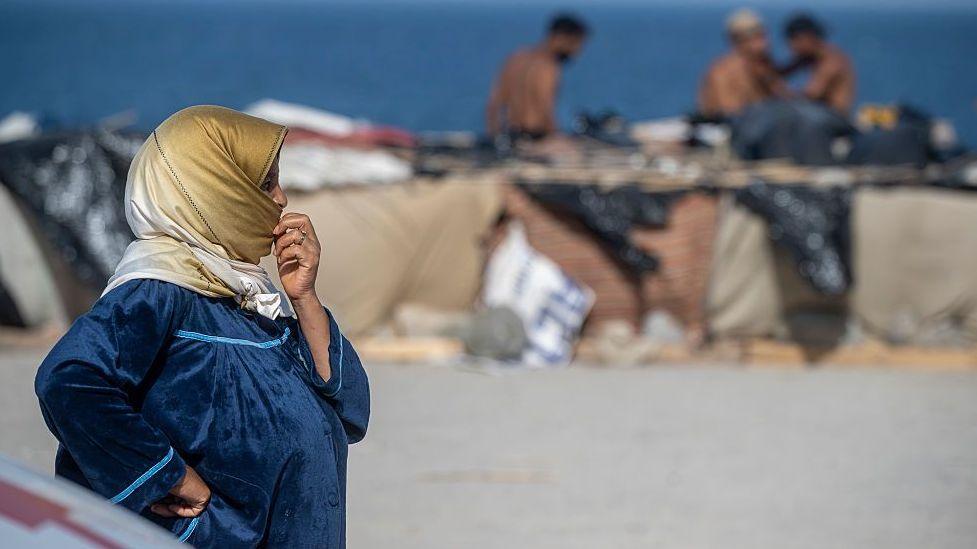
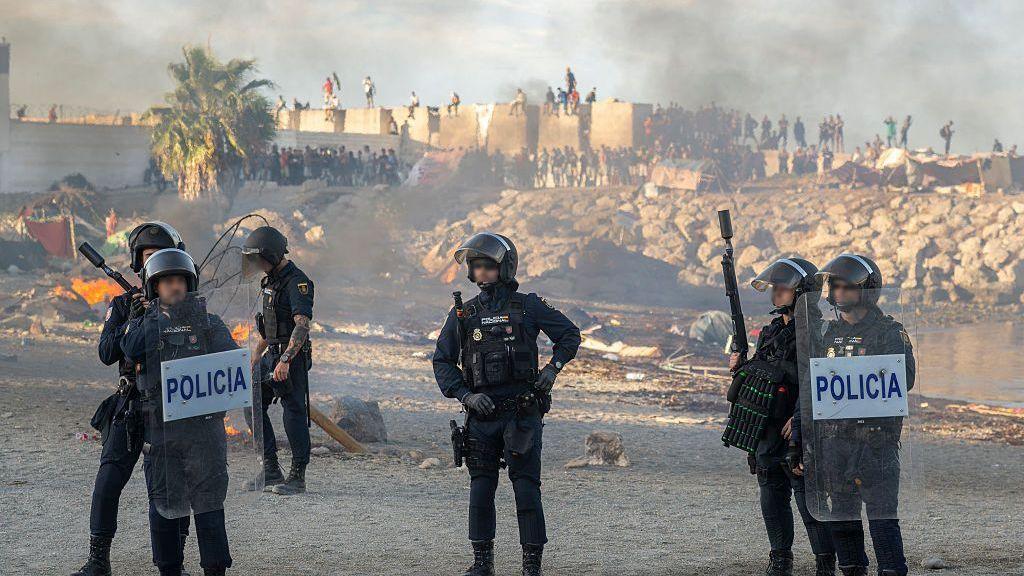
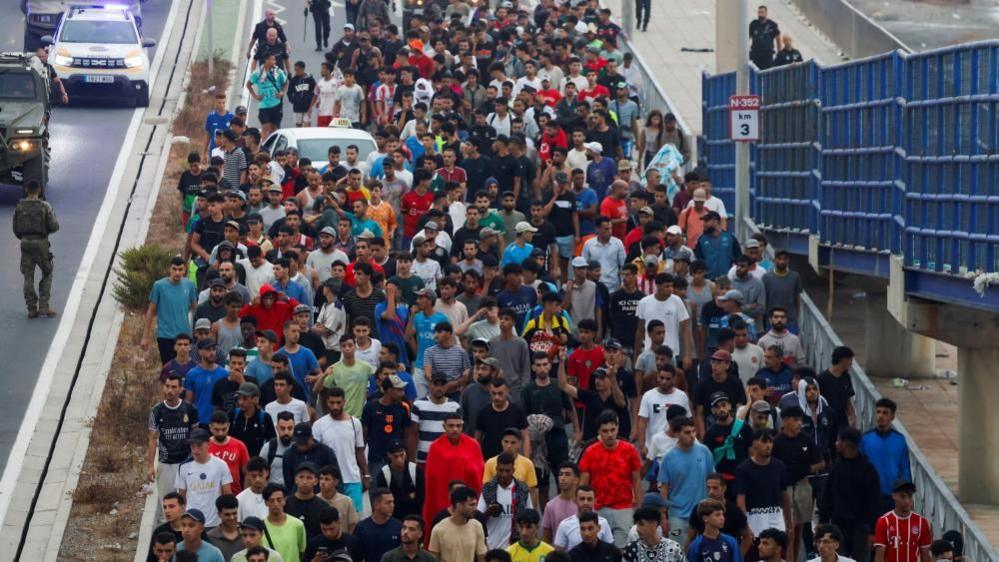
The letter, drafted after more than 60,000 people crossed from Morocco into the Spanish enclave of Ceuta, urged stronger enforcement mechanisms and greater collaboration across member states. It also warned of “hybrid threats” that could amplify the perception that illegal entry into the European Union is possible, potentially encouraging further attempts and undermining confidence in common migration policy.
Spain, which condemned the backlash against it as “selfish, polarising and unlawful,” reported that almost all migrants had returned to Morocco and that the enclave was back under full control within 48 hours. The Spanish government also announced plans for an inflatable barrier to prevent future illegal crossings via the water.
The crisis prompted Italy to temporarily suspend its Schengen arrangement with Spain, a move backed by Finland and Denmark. Meanwhile, French, Portuguese, and Danish leaders signalled their own discontent, with Denmark urging the EU to consider suspending Schengen cooperation entirely.
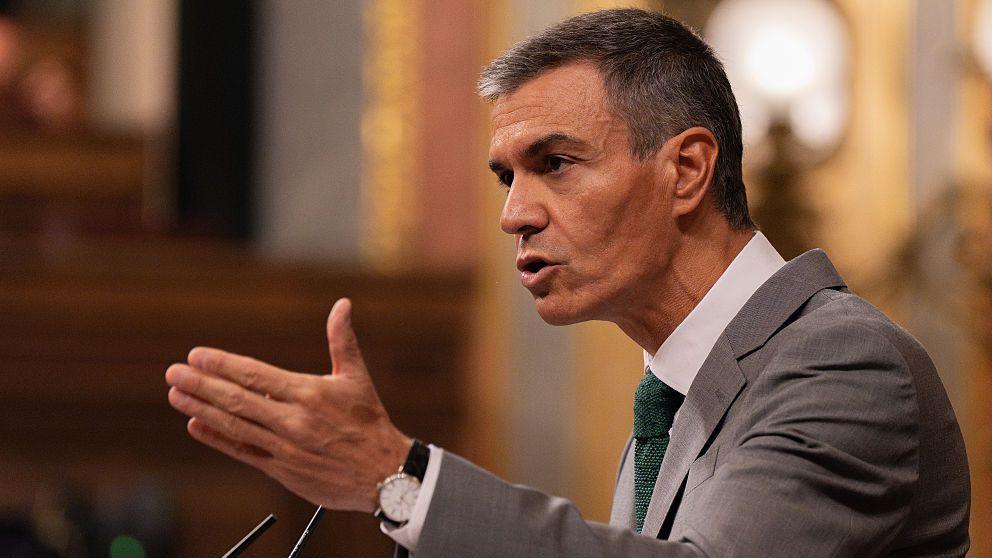
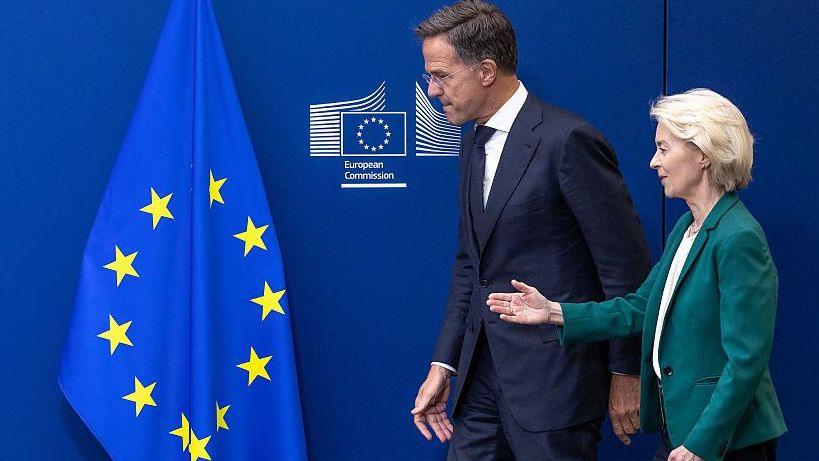
In a separate letter to European Commission President Ursula von der Leyen, Spain’s Prime Minister Pedro Sánchez expressed serious concerns that other European governments were “attacking Spain” driven by prejudice, fake news, ignorance, or political interest, stressing that Ceuta is not part of the Schengen area.
Given the ongoing tensions between Spain and Morocco, and the humanitarian and security challenges posed by the surge, EU leaders face the difficult task of balancing preparedness with the need to protect vulnerable migrants as they navigate the complex realities of the Mediterranean border.