In brief
Iceland’s nationwide referendum on whether to resume talks for EU accession has stalled because the vote is almost even. After just 153,197 of 270,000 eligible voters have been counted, the result shows 50.1% rejecting the proposal and 49.9% in favour, a spread of only 435 votes. The debate centre largely on fishing industry sovereignty, with nearly 40% of exports dependent on fisheries, as well as concerns about security and political tensions surrounding the US and Russia. Joining the EU could mean entering the customs union and eventually adopting the euro while keeping the Schengen border‑free zone. Prime Minister Kristrún Frostadóttir cast her ballot in Reykjavik this Saturday, signalling the government’s commitment to continue negotiations regardless of the outcome. The referendum question is framed as whether Iceland should resume accession talks; a yes vote moves the country closer to membership but does not finalize the process, requiring a second referendum later. This pivotal moment underscores the intersection of environmental policy, maritime sovereignty, and European integration for a small yet globally influential fishing nation.
In a nation bound by its ice‑packed waters, Iceland’s citizens are making history. The country’s recently held referendum on resuming talks for European Union (EU) membership now sits on a knife edge: 50.1% of preliminary votes reject the proposal while 49.9% favour it, a mere 435‑vote difference determined the outcome.
Only 270,000 out of roughly 400,000 eligible voters have cast ballots so far. All eyes are on the final numbers that could tip the balance either way, as the tally continues to update in real time.
The debate in Reykjavik has gone far beyond questions of security and foreign policy; the primacy of the fishing industry, which supplies almost 40% of the country’s exports, remains the hottest issue. Many voters fear that EU accession would mandate a change to the common fisheries policy, potentially eroding Iceland’s control over lucrative fishing zones.
Beyond the sea, the referendum touches on larger economic and currency matters. With Schengen already in place and full participation in the EU single market, membership would carry Iceland into the customs union and ultimately introduce the euro for its economy.
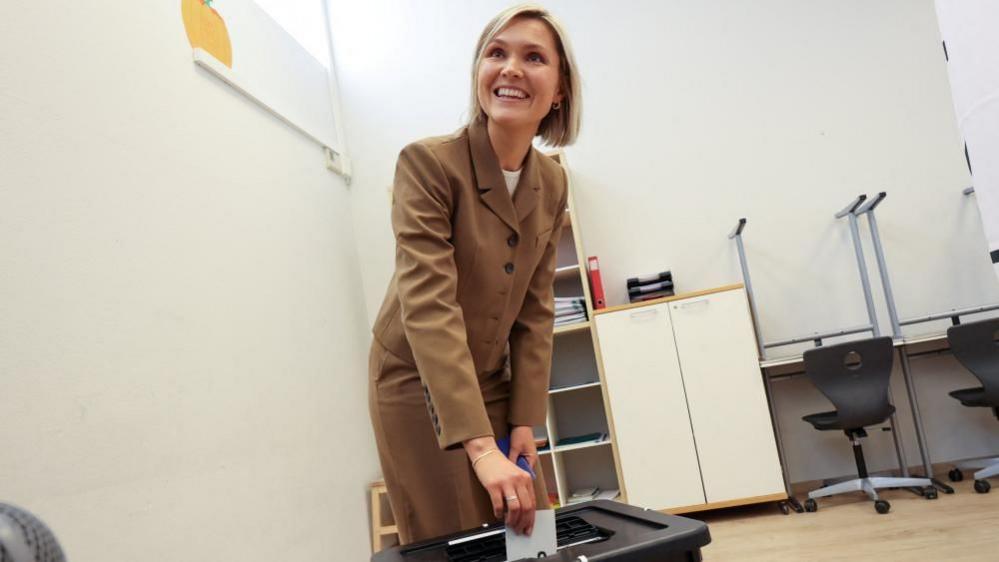
Prime Minister Kristrún Frostadóttir, whose government promised a referendum by 2027, cast her ballot in Reykjavik on Saturday. “This is a great day—we’ve been waiting for this for years to get a vote,” she said, adding that “our work will continue irrespective of the result.”
The ballot question read: “Should Iceland resume accession negotiations with the European Union?” A “Yes” vote marks a step toward a formal accession agreement, which would require a subsequent referendum for final approval. Likewise, a “No” vote does not rule out a future renewal of talks.
The campaign’s economic narrative is bolstered by emerging concerns over security. While a NATO member, Iceland maintains no standing army. Its support for Ukraine during Russia’s invasion has drawn attention to heightened maritime activity near the island, amplifying fears that U.S. intentions for Greenland—mirrored by Trump’s public comments—might echo today’s geopolitical climate.
Stalemates in fisheries policy and shifting global currents make this referendum a pivotal moment in Iceland’s future, with implications that extend well beyond its borders.