In brief
Early August, more than 70,000 people swam into Ceuta, overwhelming local services and igniting violent protests over resource strain and security. The mass arrival, largely driven by drought and heat in North Africa, left thousands—including many children—sleeping on beaches, a stark humanitarian crisis. Spanish officials face backlash for hastily relocating migrants to public buildings while critics warn of social division. International tensions flare as Morocco claims sovereignty over the enclave, prompting Spain to defend its territorial integrity.
In late August, after 72,000 people crossed the border into Ceuta on 30‑31 July, the Spanish exclave on the North African coast faced a dramatic surge of migrants, many fleeing heat‑driven desert conditions. The rapid influx overwhelmed local infrastructure, leaving thousands—many children—sleeping on the beach in makeshift camps while public services struggle to keep pace.
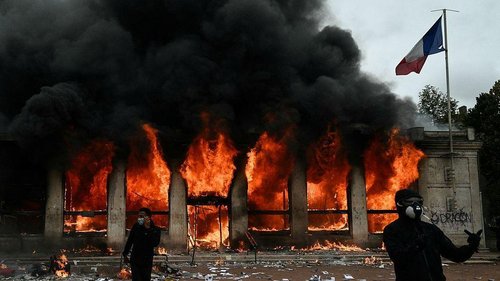
Violence broke out when anti‑migrant demonstrators blocked Red Cross volunteers from delivering food and, in some cases, set fire to migrant shelters on Trampolín beach. The clashes followed the arrest of twelve migrants accused of attacking a military vehicle, and further incidents involving vigilante groups pursuing settlers across town streets. Journalists reported threats to their safety during these flashpoints.
Spanish authorities have been criticised for slow responses, yet the government insists on rapid centralised management, proposing temporary accommodation in public buildings such as sports centres. Opposition parties argue that this move could bring migrants close to residential areas, sparking further tensions. The government’s plans have drawn an echo of past diplomatic friction: Morocco continues to assert a territorial claim to Ceuta, prompting Spain’s Foreign Minister to reject such assertions and reaffirm Spain’s territorial integrity.
Amid the unfolding crisis, the situation underscores how climate‑driven migration strains local communities and fuels political volatility. Sustainable future‑planning demands a balanced humanitarian response that protects the rights of migrants while safeguarding communal resources. Locking climate resilience into policy—through adaptive infrastructure, community engagement, and cross‑border agreements—offers a potential pathway to prevent repeating the dangerous cycle of displacement and violence witnessed in Ceuta this summer.
Further insights: Spanish government apologises to Ceuta residents for the migrant crisis. Morocco detains dozens of migrants attempting to cross into Ceuta.