In brief
Iceland’s upcoming referendum on re‑enterring into the EU hangs on crucial issues of fisheries, sovereign control of its rich marine waters and the country’s high cost of living. The fishing industry, which supplies almost 40% of exports, fears loss of autonomy under the EU’s common fisheries policy, while supporters argue that membership could stabilise the volatile Icelandic currency and strengthen security ties. The debate also reflects wider geopolitical concerns – from Russia’s naval activity near Iceland’s exclusive economic zone to the U.S. President’s interest in Greenland – highlighting the strategic importance of the North Atlantic. As votes are split, the outcome will shape Iceland’s environmental governance, economic future, and its role in a rapidly changing geopolitical landscape.
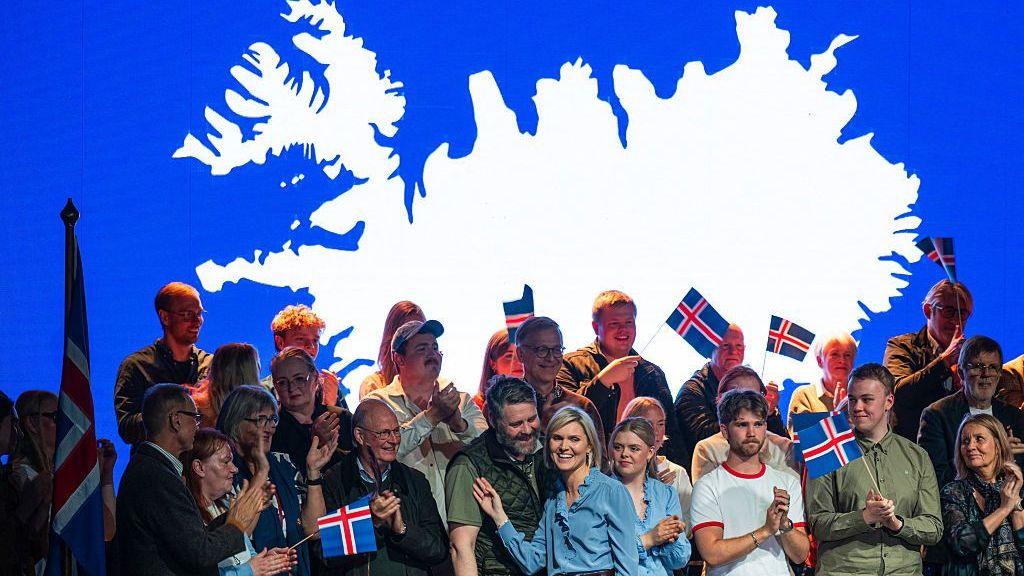
Icelanders will decide Saturday whether the country should resume talks to join the European Union, a vote that critics say could split the nation over its prized fishing waters.
The fish and marine industries account for almost 40% of Iceland’s exports, and support for the EU is driven by promises of a steadier currency, lower inflation and tighter security cooperation. Opponents fear a loss of sovereignty when the EU’s Common Fisheries Policy imposes quotas that threaten the lucrative cod and haddock harvests.1
The referendum has become a flashpoint for wider geopolitical concerns. Russia’s navy has increased activity near Iceland’s exclusive economic zone, and the United States has shown interest in Greenland, which heightens Iceland’s sense that EU membership could provide a more robust defence framework as part of NATO.
Economically, Iceland remains one of the most expensive countries in Europe. Prices are 84% higher than the EU average, and interest rates sit at around 8%. The high cost of living is a primary concern for many voters, with newer generations especially feeling the burden of mortgage rates and housing affordability.2
If the Yes vote prevails, officials say negotiations with Brussels could begin within months, as Iceland already completed 11 of the 35 chapters of accession talks before its 2013 withdrawal. A No vote would postpone any future negotiations, keeping Iceland outside EU fold but possibly weakening its strategic influence in the region.
The outcome will have ripple effects across Europe, with neighboring Norway and the broader European Economic Area eyeing the decision closely as they evaluate their own positions on EU membership and maritime policy.
The referendum underscores how environmental, economic, and security arguments intersect in the Arctic, where sustainable fisheries, climate resilience, and sovereign control are increasingly intertwined.