In brief
The rapid influx of roughly 5,000 Moroccan migrants into the Spanish town of Ceuta has triggered a surge in sexual assaults—23 registered cases, nine involving children—per prosecutors. The crisis, marked by unrest and violence, underscores the vulnerability of unaccompanied minors and displaced peoples caught between borders and crises. Spanish authorities are confronting the challenge amid political tensions with Morocco, an increased need for medical and legal support, and accusations of misinformation fueling panic.
Spanish prosecutors have recorded 23 sexual assault incidents—nine of them involving children—since the mass arrival of migrants in Ceuta at the end of July. That is nearly one case a day in the small Spanish exclave bordering Morocco.
Sixty‑seven thousand people crossed the border on 30 and 31 July, but most have returned; estimates now put the number still in Ceuta at around 5,000, with 1,400‑1,600 of those being children. Migrant girls, many of them irregular residents, have been singled out as especially vulnerable, said chief prosecutor Silvia Rojas.
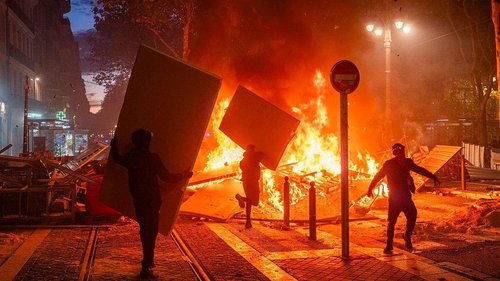
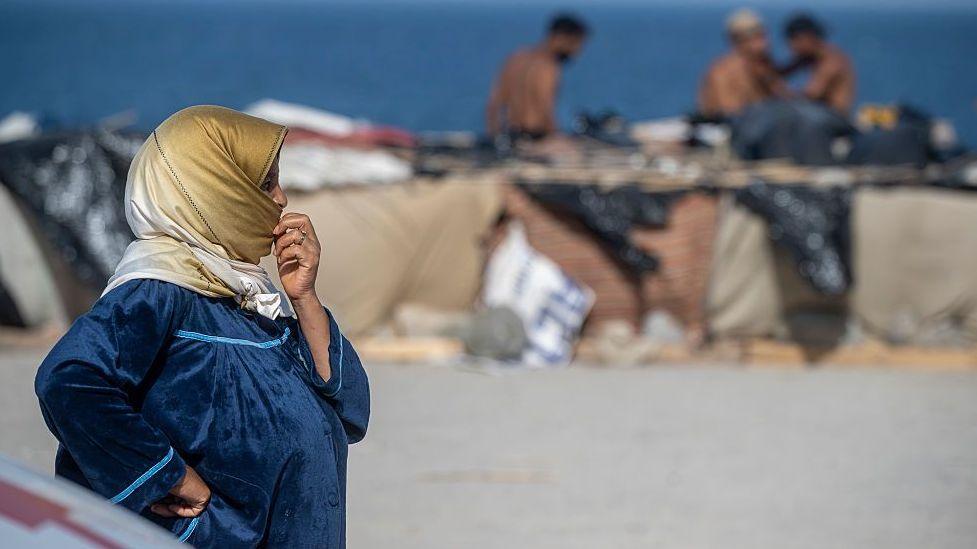
The surge has inflamed tensions, leading to violent clashes between migrants and locals. A 24‑year‑old Moroccan woman told the BBC she was assaulted while sleeping among men and women in Ceuta, a city where the border fence has seen tragic drownings.
Healthcare staff at Ceuta University Hospital, led by emergency doctor Susana Ascaso, have treated several victims, including a 10‑year‑old girl. The Spanish Society of Epidemiology highlighted the difficulty of detecting and addressing violence amid the border crisis.
Political fallout is intense. Prime Minister Pedro Sánchez convened a national security council meeting, and his government approved a multimillion‑euro aid package to support essential services for unaccompanied children. Former King Felipe VI’s visit, announced as “soon as conditions allow,” may aggravate diplomatic friction with Morocco, which has long claimed sovereignty over Ceuta and its sister territory Melilla.
Critics, including the far‑right Vox party, have accused Sánchez of mismanaging the crisis, while Moroccan government spokesmen denied orchestrating the influx. In a debate over misinformation, Spain’s spokesperson Elma Saiz attributed social media amplification to “digital forums” seeking to polarise Europe.
The network of migrant aid groups, civil society, and scientists is calling for transparent screening processes and better protective measures for refugees and migrants navigating perilous borders.