Iceland’s Referendum: Balancing Sovereignty, Fisheries and Climate Futures
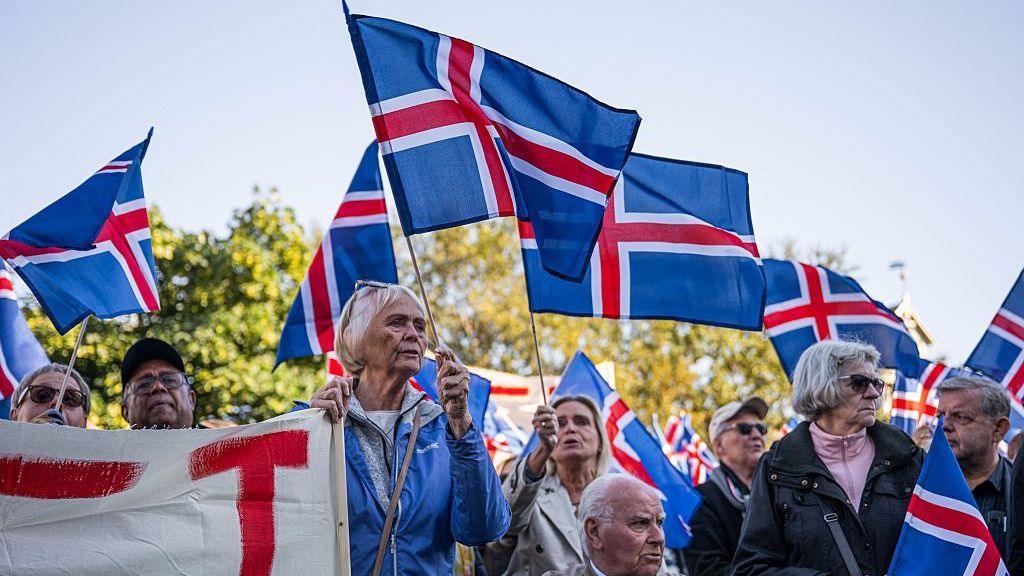
Hard‑knock votes unfold this Saturday at GMT 09:00‑22:00 as Icelanders decide whether to rekindle talks to join the European Union after 13 years of pause.
The latest public polls show a razor‑thin lead for the No campaign at 51.6%, although earlier opinion surveys had favoured the Yes side. A shared point of contention for both camps is Iceland’s fishing heritage – a sector that represents nearly 40 % of national exports and lies at the heart of the country’s post‑independence identity.
The No campaign argues that ICC membership would hand decision‑making over Icelandic waters to Brussels’ Common Fisheries Policy and risk compromising centuries of control over the marine environment. While the EU has hinted at possible fishing exemptions, the debate over such concessions remains a major lever in the negotiations, echoing the historic Cod Wars of the 1970s with the United Kingdom.
Proponents of a Yes vote point to the economic promise of EU membership: access to a single market, potential for lower interest rates and inflation, and a stronger regulatory framework that could drive sustainable fishing practices and climate‑resilient supply chains.
President Kristrún Frostadóttir, who led the televised debate, framed the referendum as a risk‑reducing step, emphasising that EU ties would reinforce Iceland’s stability within a values‑based community. Conversely, independence party leader Guðrún Hafsteinsdóttir underscored that the crux of the vote is not integration but the handing of sovereign power to Brussels over agriculture, fisheries, and the natural resources that shape Reykjavík’s future.
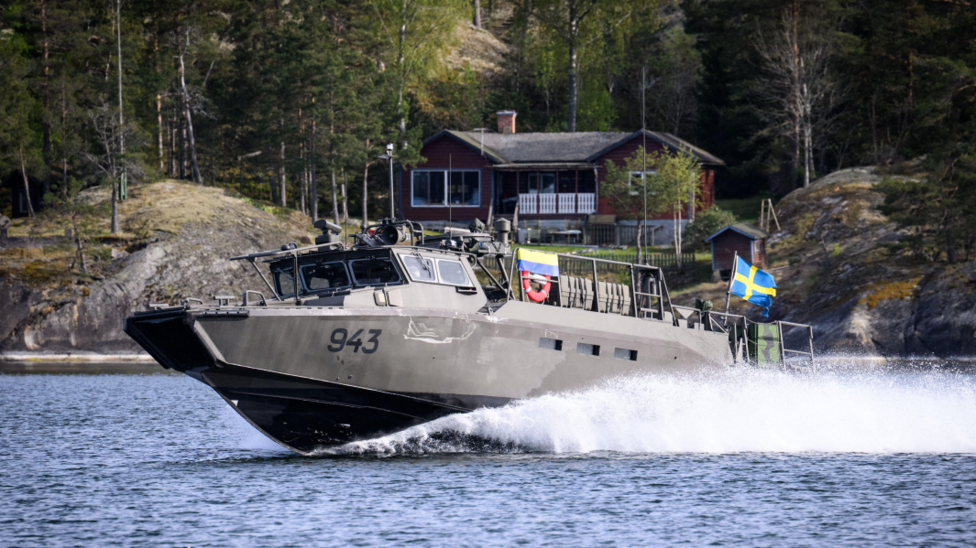
Security concerns enter the narrative loosely. Iceland’s NATO membership, alone, provides a defence umbrella, with a bilateral U.S. agreement since 1951 ensuring safety. Yet the 2026 referendum is also a marker of Iceland’s position near Russia’s growing maritime manoeuvres and the lingering anxiety about U.S. territorial ambitions over Greenland, which has occasionally impacted Icelandic strategic calculations.
The result will be announced early Sunday hours. A “Yes” vote would launch a fresh round of accession talks, while a “No” vote would not preclude future negotiations – leaving citizens and policymakers to weigh short‑term gains against long‑term environmental benefits.

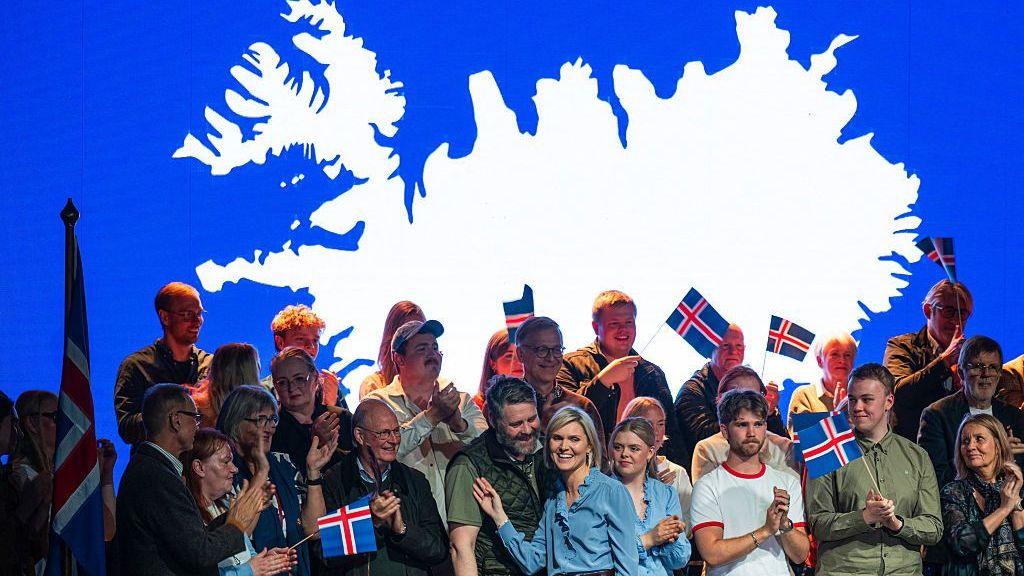
AFP via Getty Images. The image underlines the tight public sentiment, stepping beyond union questions into the realm of national sovereignty and a country's stewardship of its marine ecosystems.