In brief
A drone carrying an explosive device was discovered at Leipzig/Halle Airport on 4 August. German officials said the incident reflected Russia’s pattern of hybrid attacks in Europe. In response, Berlin announced the closure of the Russian consulate and stricter entry checks on Russian nationals. The move escalated tensions between Moscow and Western allies as Ukraine and NATO brace for further threats.
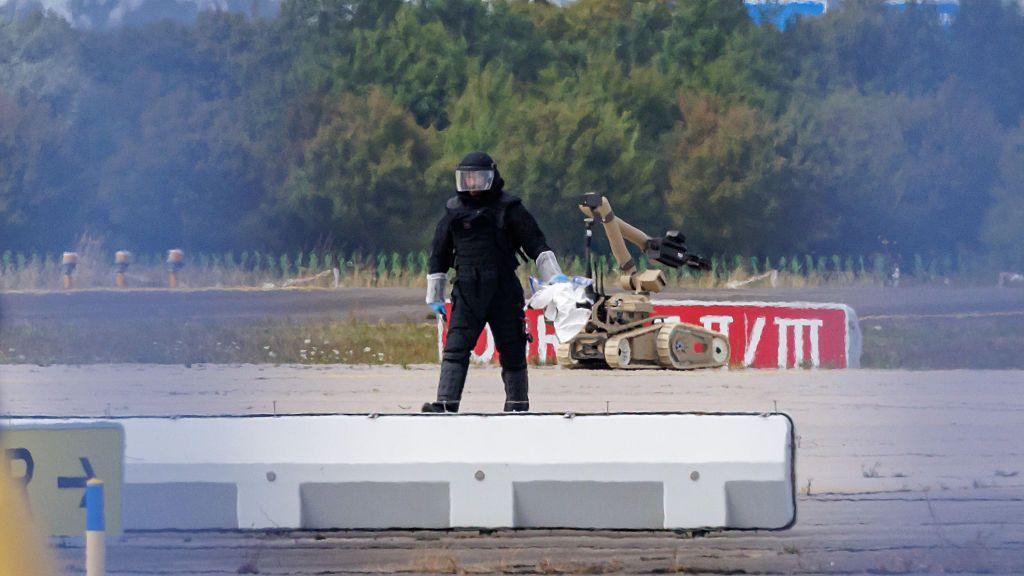
4 August marked a chilling moment for European security when a drone laden with an explosive was uncovered on the tarmac of Leipzig/Halle Airport, the largest logistics hub for Ukrainian cargo and a key NATO airfield.
The device failed to detonate, but investigators detected a second drone that had reportedly collided with a nearby Antonov aircraft. A third drone was found near the airport ten days later, hinting at a coordinated effort.
Interior Minister Alexander Dobrindt said the incident was a textbook example of Russian “hybrid operations” targeting European infrastructure. He warned that the country could be a future target.
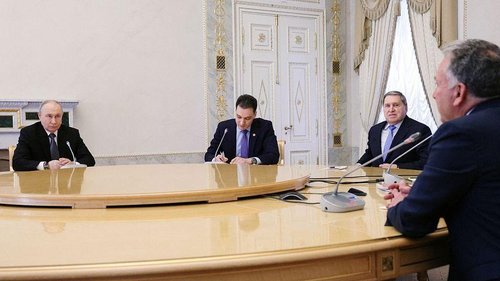
Russian President Vladimir Putin accused Germany of staging the attack to tarnish Moscow’s image, a claim with no evidence. The Russian Embassy in Berlin dismissed the allegation as absurd, while Moscow’s foreign ministry spokesperson, Maria Zakharova, vowed a “mirror‑image” response.
In a rapid diplomatic move, German Foreign Minister Johann Wadephul ordered the closure of the Russian consulate in Bonn and the termination of Russia’s “House” in Berlin – a venue long suspected of espionage and propaganda. He also announced tighter scrutiny of Russian nationals and increased pressure on Moscow’s shadow fleet, used to sidestep sanctions after the 2022 invasion of Ukraine.
The German defence stance has earned solid backing from NATO, with head of the alliance, Mark Rutte, writing on X that the evidence was clear and welcoming Germany’s measures. EU Commissioner Ursula von der Leyen echoed the call for unity, hinting at forthcoming sanctions.
This diplomatic flare comes at a critical time for Chancellor Friedrich Merz, who faces a risk of far‑right gains in the Saxony‑Anhalt state election. The incident underscores the vulnerability of key energy and freight infrastructure in the face of hybrid warfare.
Security analysts say the explosion proved to be a warning rather than a threat, but the discovery of improvised explosive devices at a light‑substation in Brandenburg highlighted the broader risk to critical national infrastructure, including power grids. Whether the assault was aimed at the Ukrainian cargo flights or an attempt to destabilise German logistics remains a question of strategic significance for the next weeks.